סיכום המצב
בלארוס נותרת סביבה בשליטה מבנית עם תקادם אירועים חמורים נמוך, עם דירוג איום מורכב #151 ברחבי העולם (ניקוד 5/100). לא תועדו אירועי ביטחון חדשים—סכסוך, מחאה, כשל בתשתיות, או מתח על פני גבול—שאושרו בצורה עצמאית במקורות באנגלית בחינם לאורך 24–48 השעות האחרונות. ההתפתחות הדומיננטית האחרונה היא יישור אסטרטגי עם רוסיה והרחבת שיתוף פעולה כלכלי/לוגיסטי עם סין (עדות לכך בפגישת ועדה בעלת דרגה גבוהה בין בלארוס לסין ב־17 ביוני בminsk), אשר נושא רלוונטיות גיאופוליטית וחוסן שרשרת הספקה לטווח בינוני אך אינו משנה את הגישת הביטחון המיידית.
התפתחויות עיקריות
- Minsk, בלארוס – 17 ביוני 2026 – פגישת הוועדה הגבוהה רמה השלישית בין בלארוס לסין
פגישת שיתוף פעולה אסטרטגית התקיימה במועצת הרפובליקה, בהתמקדות על קשרים כלכליים ולוגיסטיים. אף כי זה אינו אירוע ביטחון ישיר, העמקת שילוב תחבורה ותעשייה בין סין לבלארוס עלולה להשפיע על סיכון תשתיות לטווח ארוך ותלויות שרשרת הספקה של צד שלישי לשחקנים בינלאומיים.
- בלארוס (ברחבי המדינה) – 16–18 ביוני 2026 – לא אושרו אירועי ביטחון חדים בOSINT
ניטור שיטתי של חדשות באנגלית, מדיה חברתית וOSINT בחינם לאורך 24–48 השעות האחרונות לא זיהה אירועי ביטחון בעלי חותמת זמן ברי־אימות (התקפות, מחאות גדולות, התנגשויות על גבול, כשלי תשתיות) בתוך בלארוס. הסביבה הפוליטית דכאית של הבסיס והמגבלות המבניות על חופש ההבעה נותרות במקומן אך אינן מציגות אירועים הדלקה טריים.
אזורים בסיכון גבוה ביותר
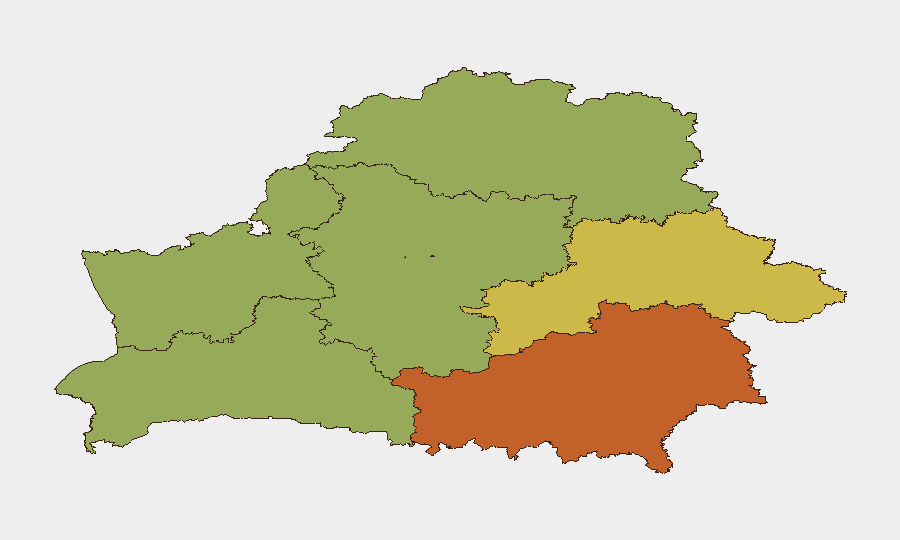
אזור Minsk (סיכון מורכב 31.4) עולה באופן משמעותי על כל יחידות המנהל האחרות בבלארוס, ודוחף את סיכון הצבור הלאומי. זה משקף את ריכוז ממשלת Minsk, נוכחות כוחות ביטחוניים וביטחון תשתיות מדינתיות, בשילוב עם רגישות פוליטית שיורית בעקבות מחזור הבחירות של 2020. עיר Minsk עצמה (סיכון 3.8) נושאת סיכון דירוג נמוך יותר, כנראה משום שקטבת ביטחון הדוקה יותר וקיומו הגלוי יותר של נוכחות בינלאומית. אזורי Vitsebsk, Hrodna, Brest, Mahilyow וHomyel מתקבצים בסיכון 1.4, מציינים פרופילי אירוע נמוכים יחסית אחיד באזורים היקפיים.
כיצד GeoBit יעזור
סריקת מודיעין והיתוך OSINT רב־שפתי (Telegram, X, מקורות ברוסית) יספקו זיהוי מוקדם של מהומות אזרחיות מתעוררות, אירועי גבול או הפרעות בתשתיות לפני שממסדי חדשות באנגלית יעלו עליהם. ניטור AOI ו־התרעה מוקדמת באזור Minsk ובמרכזי תחבורה/לוגיסטיקה חיוניים יציפו התכנסויות רגישות מבחינה פוליטית או פריסות ביטחוניות חריגות. ניטור כלכלה וסחר ו־ניתוח רשתות ושחקנים יעקוב אחר שילוב צבאי וביטחוני בין בלארוס לרוסיה והרחבת לוגיסטיקה בין סין לבלארוס, המאפשרת לצוותי תאגידים להעריך סיכון לטווח ארוך של שרשרת הספקה וסיכון רגולטורי לנכסים בתוך המדינה.
תחזוקה ל־7 ימים
לא צפוי הסלמה חדה בביטחון לאורך 7 הימים הבאים על סמך OSINT עדכני ומחוונים מבניים. המסלול לטווח בינוני נותר מעוצב על ידי יישור צבאי וגיאופוליטי בין רוסיה לבלארוס והרחבת התשתיות בין סין לבלארוס; צוותי תאגידים צריכים לנטר שינויים רגולטוריים או התפתחויות עמידות הסנקציות בעדיפות מעל לציפיה להסלמה קרובה או מהומות המוניות. ניטור ישיר של הערוצים הבלרוסים הראשוניים (Belsat) וערוצי Telegram ברוסית מומלץ כדי להשיג התפתחויות מתעוררות שטרם עדות בעדכוני חדשות באנגלית.
**נתונים ל־18 ביוני 2026, 06:00 UTC. עדכון הבא: 19 ביוני 2026, 06:00 UTC
האזורים בסיכון הגבוה ביותר — מדורגים
| # | מדינה / אזור | סיכון |
|---|---|---|
| 1 | Minsk Region | 31.4 |
| 2 | Minsk | 3.8 |
| 3 | Vitsebsk Region | 1.4 |
| 4 | Hrodna Region | 1.4 |
| 5 | Brest Region | 1.4 |
| 6 | Mahilyow Region | 1.4 |
| 7 | Homyel Region | 1.4 |
מקורות
תדריכים יומיים קודמים
תדריך חדש על Belarus מתפרסם מדי יום — לכל אחד מפת סיכונים משלו ו-CSV להורדה. זהו השבוע האחרון; השתמשו בלוח השנה כדי לחזור אחורה.
📅 Browse every day by calendar →
Highlighted days have a brief. Tap a day for that day's map & analysis, or “csv” for that day's dataset ($5).