Situation Summary
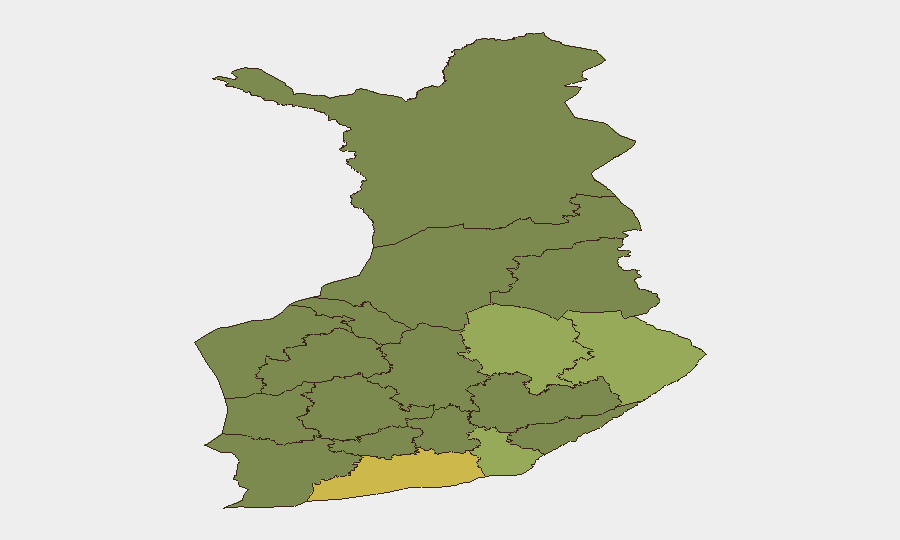
Finland remains a low-threat environment with a composite global ranking of 166, but the past week has seen a notable spike in discrete security incidents—particularly violent assaults, traffic fatalities, and recurring drone-threat alerts along the eastern maritime border. Uusimaa region (Helsinki metropolitan area) accounts for the majority of elevated risk, reflecting concentrations of urban violence and infrastructure incidents. The pattern suggests localized rather than systemic instability, though the frequency of serious road collisions and the repeated drone incursions warrant active monitoring.
Key Developments
- Eastern Gulf of Finland (Loviisa, Kotka, Hamina area) — 16, 18, 19 October: Finnish Defence Forces imposed three separate precautionary restrictions on aviation and maritime traffic over a three-day period in response to possible drone threats; all restrictions were lifted after authorities confirmed no drone entered Finnish airspace. This marks an escalation in drone-related air-defense responses in the region.
- Orimattila, Päijät-Häme — 18 October: A passenger car left Highway 4; one person died and three were seriously injured, requiring emergency response and highway management.
- Kouvola, Kymenlaakso — 18 October: A car departed Alaportintie at 17:00; the sole occupant was killed at the scene.
- Uusikaupunki, Southwest Finland — 18 October: Two people were injured in a reported drive-by shooting; both occupants evacuated the vehicle before emergency services arrived and were hospitalized.
- Helsinki — 15 October: A truck fell from a bridge onto a pedestrian crossing, creating a significant traffic and safety incident pending vehicle removal.
- Urjala, Pirkanmaa — 15 October: A serious collision involving a truck, tractor, and passenger car closed Highway 9; four people were transported for medical evaluation.
- Pieksämäki, North Savo — 15 October: A car struck a child at a pedestrian crossing; police requested witness information and investigation remains ongoing.
- Kaarina, Southwest Finland — 15 October: A passenger car collided with a boat trailer on Uusimaantie, forcing the trailer partly onto the towing vehicle and causing a lane closure.
Highest-Risk Areas
Uusimaa (risk score 65) dominates the risk landscape, driven by the capital region's concentration of population, critical infrastructure, and documented violent incidents and law-enforcement investigations. North Karelia, Kymenlaakso, and North Savo (scores 44–40) show elevated risk primarily through transport-related fatalities and infrastructure incidents. The recurring drone-threat alerts specifically affect the eastern maritime corridor near Kymenlaakso and the Gulf of Finland, warranting enhanced monitoring of aviation and shipping corridors.
How GeoBit Would Assist
Security teams operating in or transiting through Finland would benefit from AOI Monitoring & Early Warning focused on Uusimaa, Kymenlaakso, and the eastern Gulf maritime zone to detect emerging threats with automated alerting. Intelligence & OSINT capabilities—including multi-language event feeds, X/Twitter monitoring, and entity extraction—enable real-time tracking of police investigations, traffic incidents, and cross-border air-defense activity. Routing & Network Analysis supports alternative journey planning to avoid high-incident corridors and infrastructure disruptions during the current spike in road collisions.
7-Day Outlook
The frequency of serious road collisions and violent incidents suggests continued elevated localized risk in Uusimaa and secondary urban centers through the week ahead. Repeat drone-threat alerts on the eastern maritime border indicate a persistent and evolving air-defense concern that may generate further traffic restrictions; corporate operations and supply chains involving Gulf of Finland transit should anticipate intermittent delays.
Highest-Risk Areas — Ranked
| # | State / Region | Risk |
|---|---|---|
| 1 | Uusimaa | 65 |
| 2 | North Karelia | 44 |
| 3 | Kymenlaakso | 42 |
| 4 | North Savo | 40 |
| 5 | South Karelia | 38 |
| 6 | Kainuu | 36 |
| 7 | Päijät-Häme | 35 |
| 8 | South Savo | 32 |
| 9 | Kanta-Häme | 30 |
| 10 | Pirkanmaa | 28 |
| 11 | Central Finland | 26 |
| 12 | Southwest Finland | 25 |
Sources
Previous Weekly Briefs
A new Finland brief is written every Monday, covering the week — each with its own risk map and downloadable CSV. Use the calendar to go further back.
- October 13, 2026
- October 6, 2026
- September 29, 2026
- September 22, 2026
- September 15, 2026
- September 9, 2026
- September 3, 2026
📅 Browse past briefs by calendar →
Highlighted days have a brief. Tap a day for that day's map & analysis, or “csv” for that day's dataset ($5).
Atlas — our AI intelligence desk — emails them this snapshot personally. Nothing else, no list.