ملخص الوضع
تحتفظ رواندا بتصنيف تهديد مركب إجمالي بمرتبة #14 عالميًا، مما يعكس التوترات الإقليمية المستمرة وديناميكيات الأمن عبر الحدود بدلاً من عدم الاستقرار الداخلي الواسع النطاق. يظل الوضع الأمني الفوري داخل رواندا نفسها مستقرًا نسبيًا، مع عدم الإبلاغ عن حوادث رئيسية مؤكدة في آخر 24-48 ساعة. غير أن الاحتكاك الدبلوماسي مع جمهورية الكونغو الديمقراطية (DRC)—بما في ذلك المناورات العسكرية وإجراءات المحكمة الدولية—ينشئ خلفية مخاطر مرتفعة للمنطقة، خاصة في المناطق المجاورة للحدود.
التطورات الرئيسية
- 2026-06-28 · أحداث القوة العسكرية التقليدية (الكونغو الديمقراطية/العسكرية/الفاعلون المتمردون). تم تسجيل إشارات متعددة للنشاط العسكري في منطقة الكونغو الديمقراطية-رواندا الأوسع؛ لم يتم التحقق بشكل مستقل من المواقع المحددة والأرقام الدقيقة للضحايا بعد. تعكس هذه الأحداث عدم الاستقرار الإقليمي المستمر بدلاً من الحوادث المؤكدة على الأراضي السيادية الروندية.
- 2026-06-27 · رواندا ضد الميليشيات (بيان عام). أصدرت السلطات الروندية بيانًا عامًا بشأن نشاط الميليشيات؛ طبيعة وموقع البيان يتطلب توضيحًا إضافيًا من خلال المراقبة الإقليمية.
- 2026-06-27 · احتكاك دبلوماسي (رواندا ضد السلطات الكونغولية؛ أحداث عدم الموافقة من كينشاسا ضد رواندا). تصعيد بيانات عدم الموافقة العلنية بين قيادة رواندا والكونغو الديمقراطية، وهو متسق مع نزاعات ترتيبات السلام لعام 2026 والادعاءات المتعلقة بالمشاركة الروندية مع متمردي M23 في شرق الكونغو الديمقراطية.
- 2026-06-27 · الكونغو ضد محكمة العدل الدولية (عدم الموافقة). قدمت جمهورية الكونغو الديمقراطية عدم موافقة بشأن إجراءات محكمة العدل الدولية، وربما تكون مرتبطة بادعاءات النزاع عبر الحدود. يشير هذا إلى تصعيد قانوني محتمل يؤثر على الموقف الدولي والموقف الروندي.
ملاحظة: لم يتم تحديد أي حوادث أمنية موثوقة ومدققة بالطابع الزمني (اضطرابات مدنية أو جرائم رئيسية أو انقطاع بنى تحتية) على الأراضي الروندية في آخر 24-48 ساعة من التحقق المستقل من المصادر المفتوحة.
المناطق الأعلى خطورة
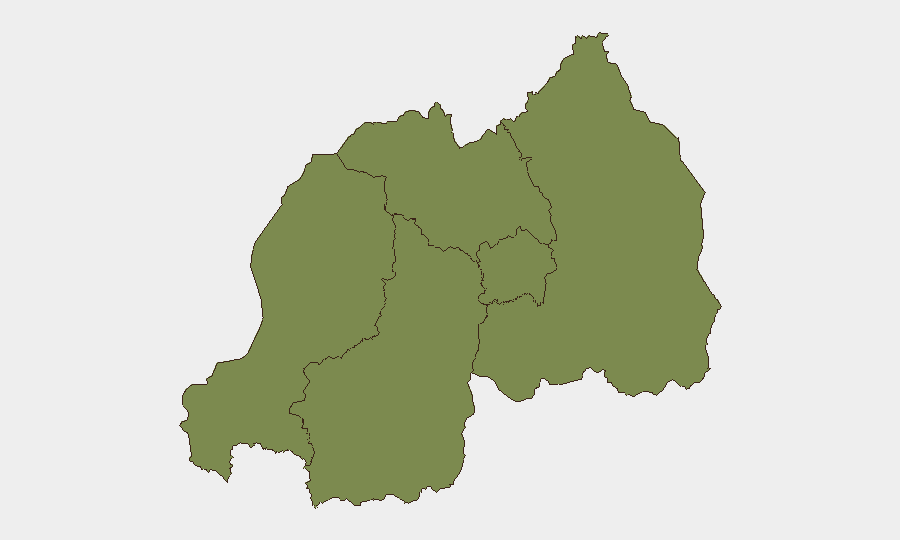
تفوقت المقاطعة الجنوبية (مخاطر مركبة 98.2) بشكل كبير على جميع المناطق الأخرى وتستحق مراقبة أولويات؛ تشمل محركات المخاطر الديناميكيات عبر الحدود والحضور المحتمل للميليشيات والجغرافيا التاريخية لمناطق النزاع. تظل مدينة كيجالي (76.8) في حالة مخاطر مرتفعة بسبب أهميتها السياسية والاقتصادية، على الرغم من أن الإبلاغ الحالي لا يشير إلى عدم استقرار حاد. تتجمع المقاطعات الغربية والشمالية والشرقية عند 68.2، مما يعكس الضعف الموزع على طول وبالقرب من حدود الكونغو الديمقراطية؛ تحمل المقاطعة الشرقية حساسية خاصة نظرًا لنشاط M23 في شرق الكونغو الديمقراطية المجاورة والمشاركة العسكرية الروندية المزعومة.
كيف يساعد GeoBit
يجب على فرق الأمن الشركاتي نشر مراقبة منطقة الاهتمام (AOI) والإنذار المبكر على المناطق الحدودية بالمقاطعة الجنوبية والمقاطعة الشرقية للكشف عن حركة الميليشيات أو الاختراقات عبر الحدود أو التراكم العسكري مع الإنذار المستمر. تتيح قدرات تحليل الشبكة والفاعلين وفحص الاستخبارات تتبع البيانات الدبلوماسية والمناورات العسكرية بين رواندا والكونغو الديمقراطية، مما يوفر إشارة مبكرة للتصعيد. يمكن لـ تحليل التوجيه والشبكة إبلاغ مسارات السفر والسلاسل اللوجستية البديلة لموظفي والأصول في مناطق الحدود، مما يقلل التعرض لنشاط عسكري أو ميليشيا لا يمكن التنبؤ به.
النظرة الحالية لمدة 7 أيام
من المرجح أن تستمر التوترات الدبلوماسية الإقليمية، مع استمرار إجراءات محكمة العدل الدولية والروابط الم
المناطق الأعلى خطورة — مرتبة
| # | الولاية / المنطقة | الخطر |
|---|---|---|
| 1 | Southern Province | 98.2 |
| 2 | Kigali City | 76.8 |
| 3 | Western Province | 68.2 |
| 4 | Northern Province | 68.2 |
| 5 | Eastern Province | 68.2 |
المصادر
الموجزات اليومية السابقة
يُنشر موجز جديد عن Rwanda كل يوم — لكل منها خريطة مخاطر وملف CSV قابل للتنزيل. هذا هو الأسبوع الأخير؛ استخدم التقويم للرجوع أبعد.
📅 Browse every day by calendar →
Highlighted days have a brief. Tap a day for that day's map & analysis, or “csv” for that day's dataset ($5).