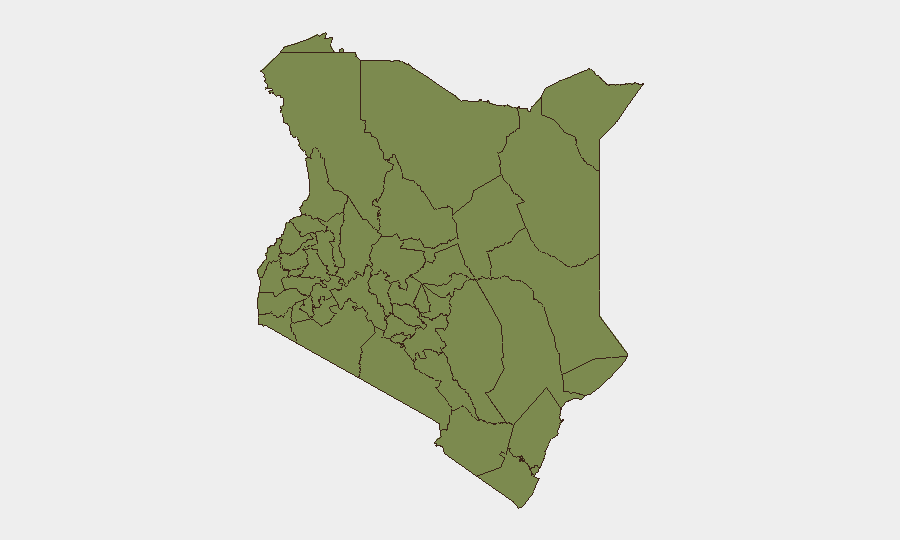
ملخص الوضع
تعكس درجة التهديد المركبة في كينيا البالغة 96 (الترتيب #17 عالمياً) بيئة أمنية متقلبة تحركها عدم الاستقرار السياسي والنزاعات المسلحة المحلية والتهديدات السيبرانية الناشئة. شهدت الساعات الـ 48 الماضية هجوماً سيبرانياً بارزاً على الرئاسة وعنفاً سياسياً يعطل العمليات الانتخابية وضغطاً مستمراً من الجماعات المسلحة في مناطق الحدود الشمالية الشرقية. يبقى مسار التهديد مرتفعاً وغير متنبأ به عبر مجالات متعددة—السيبرانية والاضطرابات الأهلية والإرهاب—مع تركيز جغرافي في المقاطعات الرعوية وقلاع المعارضة.
التطورات الرئيسية
- نيروبي (الموقع الرسمي للرئاسة)، 18 يوليو 2026 – هجوم سيبراني وتشويه لموقع president.go.ke، يتضمن مطالب فدية (5 بيتكوين)؛ أطلقت هيئة تكنولوجيا المعلومات والمركز الوطني الرابع تحقيقاً جنائياً رقمياً؛ لم يتم الإبلاغ عن اختراق بيانات مؤكد.
- أول كالاو، مقاطعة نيانداروا (مركز الاقتراع الابتدائي AC)، 18 يوليو 2026 – مهاجمون مسلحون بأقنعة في سيارات رياضية استخدموا الغاز المسيل للدموع واعتدوا جسدياً على صحفيي مجموعة نيشن ميديا أثناء الاقتراع؛ تم مصادرة الكاميرا وتعرض الموظفين للصعق بالتاسر؛ مؤشرات على تنسيق سياسي.
- مندرة سنترال سب-كاونتي (معسكر إيريسوكي الأمني)، 22 يونيو 2026 – صدت قوات الدفاع الكيني هجوماً منسقاً من جماعة الشباب؛ لم تُسجل خسائر في قوات الدفاع الكيني؛ انسحب المهاجمون مع احتمال إصابات (لوحظت آثار دماء).
أعلى المناطق ذات المخاطر
تتصدر مقاطعة سامبورو الترتيب دون الوطني برصيد مخاطر 98.5، مدفوعة بالنزاعات على الموارد الرعوية والنشاط العسكري عبر الحدود؛ إمبو (83.6) ومقاطعة نيروبي (78.9) تعكسان مزيجاً من العنف بين الجماعات والجريمة المنظمة والتقلبات السياسية. يواجه الحزام الرعوي الشمالي (سامبورو، لايكيبيا، إيسيولو) ضغطاً مستمراً من جماعة الشباب والغزاة؛ يعكس ترتيب نيروبي مخاطر الإرهاب وعدم الاستقرار السياسي الحاد، كما يتضح من الهجوم السيبراني على المؤسسات الحكومية واضطرابات يوم الانتخابات. تسجل المقاطعات الغربية (كاكامेغا، بوسيا، فيهيغا، ناندي) مخاطر مرتفعة مرتبطة بالتوترات السياسية التاريخية والشبكات الإجرامية المنظمة. يجب على الأصول والموظفين الشركاتيين إعطاء الأولوية للوعي بالوضع في نيروبي وتجنب السفر إلى سامبورو/إيسيولو بدون بروتوكولات أمان مقسّى.
كيف يمكن لـ GeoBit أن يساعد
يجب على فرق الأمان نشر مراقبة منطقة الاهتمام والإنذار المبكر على العقد السياسية والبنية التحتية الحرجة في نيروبي (المباني الحكومية ومكاتب الإعلام والاتصالات) للكشف عن الحالات الشاذة السابقة للحادث وتعبئة الاحتجاجات؛ ودمجها مع المعلومات الاستخباراتية المفتوحة المصدر على X/تويتر وتيليجرام وتحليل المشاعر لتتبع السرديات السياسية والتحريض في الوقت الفعلي. سيُحدِّد الاستخبارات السيبرانية المهددة ومسح Shodan للمحيط الرقمي الحكومي والشركاتي الكيني نقاط النهاية الضعيفة ونشاط التهديدات المستمرة. تمكّن قدرة مراقبة الانتخابات ورسم خرائط النزاعات في نيانداروا والمقاطعات الغربية من التوجيه المتقدم وبروتوكولات سلامة الموظفين حول نقاط الصراع الانتخابي.
النظرة الآفاقية لمدة 7 أيام
من المرجح أن تبقى التوترات السياسية مرتفعة خلال أي دورات انتخابية جارية، مع تكرار حالات العنف في يوم الاقتراع والمضايقة السيبرانية لأهداف الدولة. من المتوقع استمرار ضغط جماعة الشباب على قوات الأمن في الشمال الشرقي؛ من المرجح أن تتصاعد النزاعات الرعوية المحلية في سامبورو ولايكيبيا مع بلوغ ندرة الموارد الموسمية الجافة ذرو
المناطق الأعلى خطورة — مرتبة
| # | الولاية / المنطقة | الخطر |
|---|---|---|
| 1 | Samburu | 97.5 |
| 2 | Embu | 83.6 |
| 3 | Nairobi County | 78.9 |
| 4 | Kakamega County | 71.4 |
| 5 | Nakuru | 70.3 |
| 6 | Kiambu | 69.1 |
| 7 | Laikipia County | 68.6 |
| 8 | Nyeri | 68.6 |
| 9 | Isiolo | 68 |
| 10 | Busia County | 67.5 |
| 11 | Vihiga County | 67.5 |
| 12 | Nandi County | 67.5 |
المصادر
الموجزات اليومية السابقة
يُنشر موجز جديد عن Kenya كل يوم — لكل منها خريطة مخاطر وملف CSV قابل للتنزيل. هذا هو الأسبوع الأخير؛ استخدم التقويم للرجوع أبعد.
📅 Browse every day by calendar →
Highlighted days have a brief. Tap a day for that day's map & analysis, or “csv” for that day's dataset ($5).
Atlas — our AI intelligence desk — emails them this snapshot personally. Nothing else, no list.