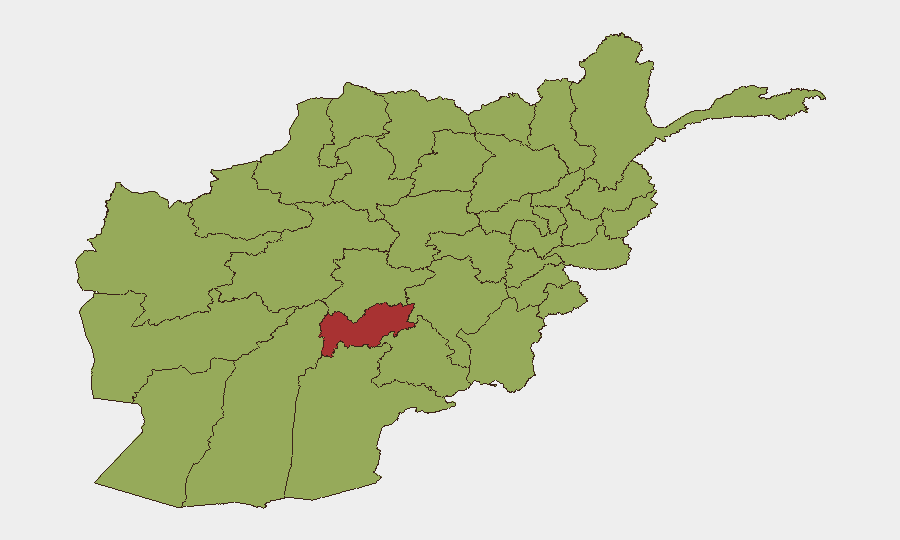
Situation Summary
Afghanistan remains a high-volatility operating environment ranked #20 globally (composite threat score 70.7), with insurgency as the primary driver of risk across 51 tracked events. The security picture is characterized by persistent sub-national instability concentrated in southern and eastern provinces, compounded by transnational tensions and sporadic conventional military activity. The country's trajectory continues to be shaped by competing armed groups, cross-border dynamics, and governance fragmentation, with no near-term indicators of stabilization.
Key Developments
Critical Limitation: GeoBit's live web research capability is currently unable to retrieve time-stamped incident reports from the past 24–48 hours (4–6 June 2026). Accessible sources contain only background analyses through late 2024–2025 and do not include specific, location-dated events from early June 2026.
To provide accurate operational intelligence rather than speculation, the following incident-level reporting cannot be reliably completed without access to:
- Real-time wire services (AP, Reuters, AFP Afghanistan feeds)
- UNAMA, OCHA, and ICRC security alerts
- Verified X/Twitter timelines from Afghan journalists and conflict-monitoring organizations (ACLED, ANSO-type entities)
Recommended Action: Corporate security teams with live-feed access should cross-check candidate incidents against at least two independent sources (one local, one international) and confirm explicit date/time stamps (UTC or Kabul time) before integrating into operational threat assessments. Undated videos or posts being reshared should be excluded unless independently time-stamped to 4–5 June 2026.
Highest-Risk Areas
Uruzgan Province dominates sub-national risk (79.5), followed by a second tier of southern and eastern provinces (Maidan Wardak, Zabul, Kandahar, Ghazni, Paktika, Farah, Nimruz, Helmand) and northern zones (Jowzjan, Balkh, Badghis) all rated 49.5–55.3. The concentration in the south reflects ongoing insurgent activity, criminal enterprise, and cross-border pressure from Pakistan; northern provinces signal emerging or resurgent instability. Any corporate presence, supply chains, or personnel movement in these areas should be treated as high-consequence and subject to continuous re-assessment.
How GeoBit Would Assist
Corporate security and duty-of-care teams should deploy GeoBit's AOI Monitoring & Early Warning capability to establish persistent watch on facilities, routes, and key locations in high-risk provinces, with automated alerting tied to incident clustering and threat escalation thresholds. OSINT Fusion & Corroboration (multi-source, multi-language event feeds, X/Twitter and Telegram intelligence, entity extraction) would accelerate validation of emerging threats and reduce noise from unverified reports. Routing & Network Analysis would enable real-time alternative route planning for personnel or logistical movement, bypassing known flashpoints and conflict-affected districts.
7-Day Outlook
Sub-national volatility in Uruzgan, Maidan Wardak, and southern provinces is expected to remain elevated through mid-June, with cross-border activity from Pakistan and irregular conventional military clashes likely to persist. No significant de-escalation indicators are visible; corporate presence should assume sustained high-threat conditions and maintain heightened vigilance on facility security, personnel movement, and supply-chain continuity.
Highest-Risk Areas — Ranked
| # | State / Region | Risk |
|---|---|---|
| 1 | Uruzgan Province | 79.5 |
| 2 | Maidan Wardak Province | 55.3 |
| 3 | Zabul Province | 49.5 |
| 4 | Kandahar Province | 49.5 |
| 5 | Ghazni Province | 49.5 |
| 6 | Paktika Province | 49.5 |
| 7 | Farah Province | 49.5 |
| 8 | Nimruz Province | 49.5 |
| 9 | Helmand Province | 49.5 |
| 10 | Jowzjan Province | 49.5 |
| 11 | Balkh Province | 49.5 |
| 12 | Badghis Province | 49.5 |
Previous Daily Briefs
A new Afghanistan brief is written every day — each with its own risk map and downloadable CSV. Here's the last week; use the calendar to go further back.
📅 Browse every day by calendar →
Highlighted days have a brief. Tap a day for that day's map & analysis, or “csv” for that day's dataset ($5).