Situation Summary
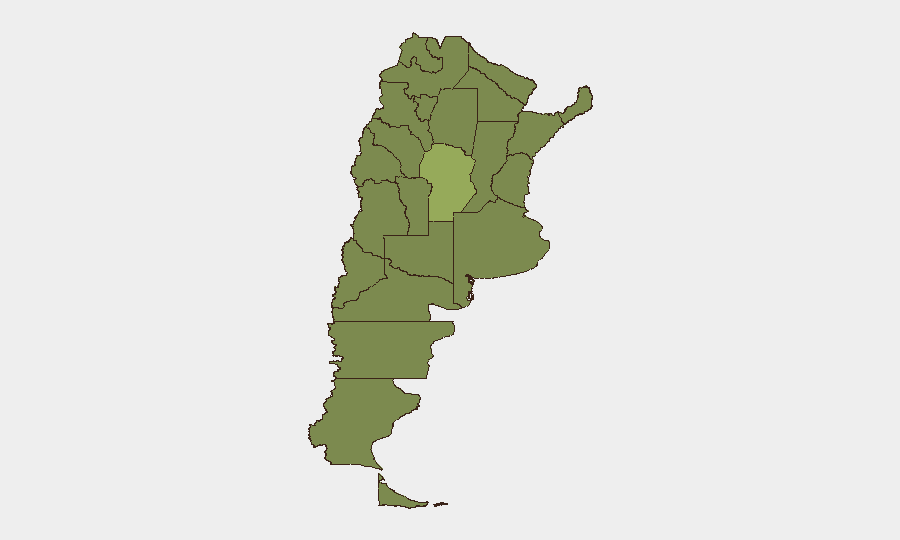
Argentina remains at moderate composite threat level (#45 globally, score 38) with 240 tracked events, but faces acute political and institutional strain as of mid-June 2026. Córdoba Province is significantly elevated (risk 56.5), while multiple signal clusters on 2026-06-16–17 indicate concurrent demands on the executive, criminal investigations into the presidency, and property seizures. The near-term trajectory is uncertain; political volatility and regional crime pressure are expected to persist through at least mid-week.
Key Developments
- National level – 2026-06-16: Multiple public statements issued by the President, Chancellor, Cabinet, Ministry, and Industry actors in response to a formal demand lodged against the Cabinet; concurrent reports of property seizure/damage. Indicates internal executive pressure and possible factional dispute or external challenge.
- National / judicial – 2026-06-16–17: Presidential investigation launched; arrest/detention event recorded involving Prison authorities and the Supreme Court (2026-06-17). Suggests judicial escalation and possible detention of a high-profile figure or institutional standoff.
- Government – 2026-06-17: Separate government investigation initiated. Combined with presidential investigation signal, indicates widened institutional scrutiny, likely related to governance, corruption, or accountability matters.
- Argentina–Bolivia relations – 2026-06-16: Bilateral disapproval signal recorded. While magnitude unknown, suggests a discrete diplomatic friction event; travel and trade flows warrant monitoring if escalation occurs.
- Córdoba Province – ongoing: Córdoba maintains highest sub-national risk score (56.5) by substantial margin; recent event signals unavailable, but the province's persistent elevation indicates entrenched organized crime, violence, or gang activity requiring heightened precaution for personnel transit and asset security.
- Buenos Aires Province & CABA – ongoing: Combined risk scores (32.8 and 26.9) reflect urban crime, robbery, and kidnapping pressure in the greater Buenos Aires metro region and capital; no acute 48-hour incident signal available, but baseline remains relevant for corporate and personnel safety planning.
Highest-Risk Areas
Córdoba Province stands apart with a composite risk of 56.5—more than 20 points above the second-ranked jurisdiction (Buenos Aires Province, 32.8). This gap suggests organized-crime violence, gang territorial disputes, or drug trafficking as persistent drivers. Buenos Aires Province and the Autonomous City of Buenos Aires (combined metro population ~14 million) carry moderate structural risk (32.8 and 26.9, respectively) rooted in street crime and robbery. Jujuy, Misiones, and border provinces (Río Negro, Mendoza, Corrientes, Chubut) all cluster around 27–29, likely reflecting smuggling, inter-provincial trafficking, and limited law-enforcement capacity. Personnel and asset concentration in the capital and Buenos Aires Province requires standard urban-crime vigilance; anyone traveling to or based in Córdoba should assume elevated threat and deploy corresponding protocols.
How GeoBit Would Assist
A security team managing Argentina exposure would deploy AOI Monitoring & Early Warning to track Córdoba, greater Buenos Aires, and border provinces for spikes in organized-crime violence or civil unrest; Intel Sweep and X/Twitter OSINT to capture real-time protest, strike, and roadblock signals (piqueteros, transport stoppages, highway blockades); and Routing & Network Analysis to preposition alternative travel and supply routes in advance of infrastructure disruption or regional unrest. Entity & Network Analysis on Argentine criminal organizations and political factions would contextualize the current investigative and Cabinet-pressure signals, reducing ambiguity in duty-of-care decision-making.
7-Day Outlook
Political and judicial activity is expected to intensify through 2026-06-20, with potential for further executive instability or public statements. Córdoba's structural crime risk will likely remain elevated; no imminent de-escalation is signaled. Regional roadblocks, transport stoppages, or public protests tied to economic or political grievance remain possible, particularly in the center and north.
Highest-Risk Areas — Ranked
| # | State / Region | Risk |
|---|---|---|
| 1 | Córdoba | 56.5 |
| 2 | Buenos Aires Province | 32.8 |
| 3 | Jujuy Province | 29.4 |
| 4 | Misiones | 29.4 |
| 5 | Río Negro Province | 27.2 |
| 6 | Mendoza Province | 27.1 |
| 7 | Corrientes Province | 27.1 |
| 8 | Chubut Province | 26.9 |
| 9 | Autonomous City of Buenos Aires | 26.9 |
| 10 | Santiago del Estero Province | 26.9 |
| 11 | Salta Province | 26.7 |
| 12 | Santa Fe Province | 26.7 |
Sources
Previous Daily Briefs
A new Argentina brief is written every day — each with its own risk map and downloadable CSV. Here's the last week; use the calendar to go further back.
📅 Browse every day by calendar →
Highlighted days have a brief. Tap a day for that day's map & analysis, or “csv” for that day's dataset ($5).