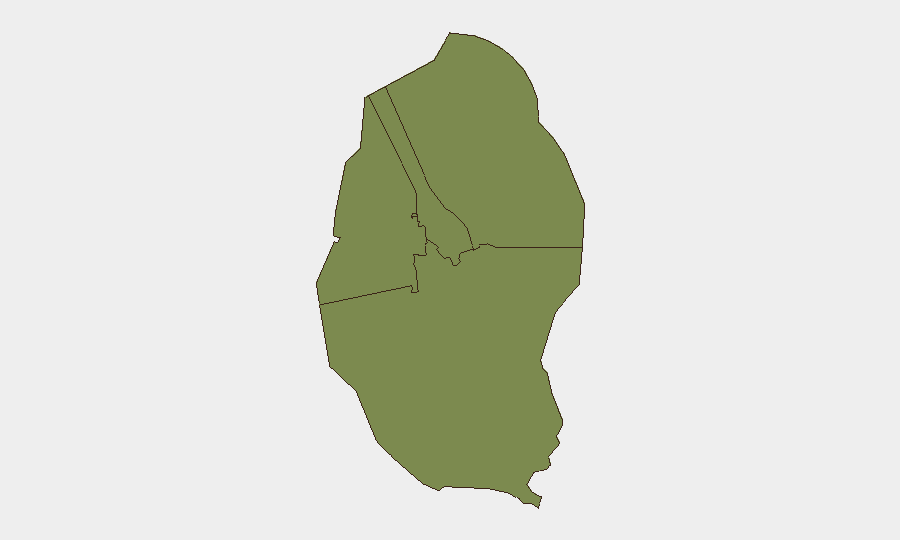
Situation Summary
Bahrain remains at composite threat rank #53 globally, with a stable but elevated security posture following Iranian drone attacks on energy infrastructure and residential areas in late June (27–29 June). No new major incidents have been documented inside Bahrain in the last 24–48 hours; the current threat environment is dominated by consequence management from the previous week's strikes, ongoing diplomatic response at the UN, and heightened maritime risk in the Strait of Hormuz affecting energy supply chains. All four governorates carry equal composite risk (1.8), indicating distributed rather than concentrated geographic vulnerability.
Key Developments
- UN Security Council action (29 June, ongoing through 4 July): Bahrain's Foreign Minister traveled to New York and Bahrain's UN mission requested an emergency Security Council meeting in response to Iranian attacks. This diplomatic engagement remains live and frames international posture toward Bahrain's defense claims.
- Energy facility damage assessment (late June, continuing): Bapco Energies and Gulf Petrochemical Industries Company (GPIC) reported fires from Iranian drone strikes; both fires were extinguished with no casualties reported. Damage assessments and operational recovery remain ongoing across national energy infrastructure.
- U.S. military installations confirmed intact (28 June, referenced in current briefings): A UN briefing confirmed that Iran targeted U.S. military infrastructure in Bahrain on 28 June, but the U.S. reported no casualties and no damage to installations in Bahrain or Kuwait. This reassurance is being circulated in current media and shapes risk assessments for U.S.-linked corporate assets.
- Residential infrastructure damage (late June, cited in current reporting): Bahrain's Interior Ministry confirmed that a residential building was damaged; Bahrain's Defense Force intercepted multiple Iranian aerial threats. No casualties were reported, but ongoing civilian-area vulnerability is documented.
- Maritime route expansion and shipping threat elevation (ongoing, announced in last 48 hours): A U.S. Navy-overseen multinational maritime body expanded shipping routes near Oman following tanker attacks in the Strait of Hormuz. The Joint Maritime Information Center warned that threats to vessels remain "substantial," with mines and naval presence expected during clearance operations. This directly affects Bahrain-linked tanker traffic and energy exports.
- Interior Ministry security reporting (weekly, current cycle): Bahrain's Interior Ministry released a routine weekly security report covering the past seven days, including response to late-June incidents. This ongoing monitoring indicates sustained internal security coordination.
Highest-Risk Areas
All four Bahrain governorates rank equally at 1.8 composite risk, reflecting distributed rather than localized threat. This parity suggests that energy infrastructure, maritime approaches, and diplomatic/military assets span multiple regions, and that Iranian drone strikes demonstrated capability to reach targets across the kingdom. Northern Governorate (which includes key port and naval facilities) and Capital Governorate (seat of government and diplomatic presence) likely anchor this risk, but the equal weighting indicates no safe geographic refuge within Bahrain's borders.
How GeoBit Would Assist
Corporate security teams would deploy AOI Monitoring & Early Warning on energy facilities, ports, and critical infrastructure to detect preparatory activity or fresh threats in real time. Maritime & Aviation tracking combined with multi-language OSINT and Telegram/X monitoring would provide early signal of regional escalation, shipping interdictions, or drone launch preparations. GIS & Spatial Analysis layered with satellite imagery analysis would support damage assessment and recovery planning for affected energy and residential sites.
7-Day Outlook
No imminent new attacks are signaled, but Bahrain remains in a reactive posture following the late-June strikes. Maritime risk in the Strait of Hormuz will persist, constraining energy shipment routing and pricing. Diplomatic pressure at the UN may intensify, but internal security posture is expected to remain elevated without major escalation in the next week.
Highest-Risk Areas — Ranked
| # | State / Region | Risk |
|---|---|---|
| 1 | Northern Governorate | 1.8 |
| 2 | Capital Governorate | 1.8 |
| 3 | Southern Governorate | 1.8 |
| 4 | Muharraq Governorate | 1.8 |
Sources
Previous Daily Briefs
A new Bahrain brief is written every day — each with its own risk map and downloadable CSV. Here's the last week; use the calendar to go further back.
📅 Browse every day by calendar →
Highlighted days have a brief. Tap a day for that day's map & analysis, or “csv” for that day's dataset ($5).