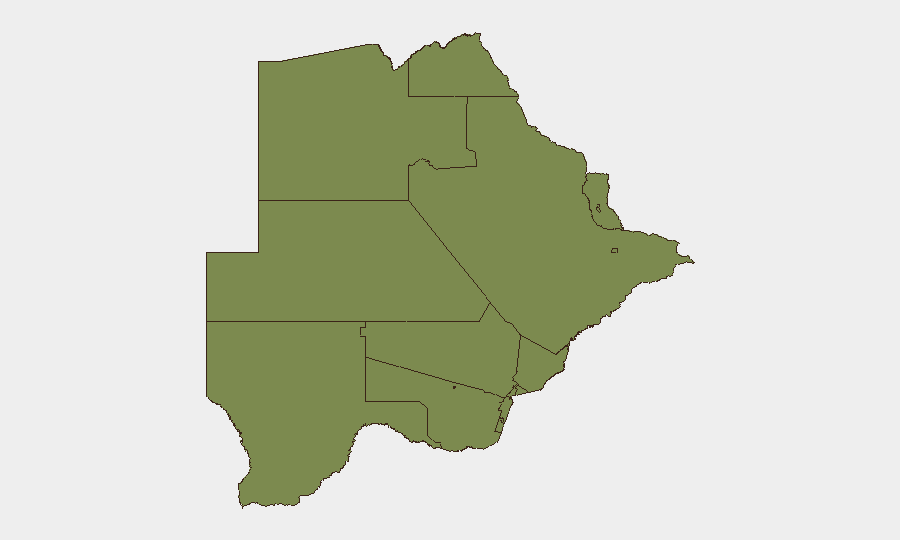
Situation Summary
Botswana remains a low-threat environment globally (rank #167, composite score 4) with stable governance and low incidence of organized violence or civil unrest. The most recent signaling activity on record is a public statement attributed to PRINCE on 2026-07-12, though its substance and implications for security posture are not yet clarified in available reporting. No clearly verifiable security incidents, crime events, infrastructure disruptions, or civil disturbances have been independently confirmed in Botswana within the last 24–48 hours. Overall risk trajectory remains stable, with no imminent indicators of destabilization.
Key Developments
No security, conflict, civil-unrest, crime, political-instability, infrastructure, or travel-risk events meeting the 24–48-hour recency and multi-source verification standard have been reliably identified in available open reporting on Botswana at this time. Public statement activity (PRINCE, 2026-07-12) is noted in platform feeds but lacks sufficient contextual detail and independent corroboration to assess operational relevance to corporate security operations.
Highest-Risk Areas
Ghanzi District stands significantly apart in the sub-national ranking with a composite risk score of 31.5—substantially elevated relative to all other districts and towns, which cluster at 1.5. This disparity warrants focused monitoring. All other tracked regions (Chobe, North-West, Central, North-East, Kgalagadi, Kweneng, Southern, and urban centers including Francistown, Selebi Phikwe, and Jwaneng) show uniform, low composite risk. The concentration of risk in Ghanzi suggests localized conditions—whether wildlife-human conflict, cross-border activity, or resource-related tensions—that do not reflect broader national instability but merit specific attention for operations or personnel presence in that district.
How GeoBit Would Assist
Security teams managing operations in Botswana should employ AOI Monitoring & Early Warning with persistent watch on Ghanzi District to detect emerging incidents before they affect corporate assets or personnel. Intel Sweep and multi-language OSINT fusion across social media, local news, and Telegram channels would provide early signals of protest activity, crime clusters, or political tension in advance of mainstream reporting. For personnel traveling between districts or to regional borders, Routing & Network Analysis and conflict/crime search capabilities enable real-time risk-informed journey planning and identification of high-exposure corridors.
7-Day Outlook
No acute threat indicators project significant deterioration in the near term. Continued monitoring of Ghanzi District remains advisable given its elevated risk profile relative to national baseline. Standard duty-of-care protocols for Botswana operations should remain in effect; no emergency posture adjustment is warranted at this time based on current intelligence.
Highest-Risk Areas — Ranked
| # | State / Region | Risk |
|---|---|---|
| 1 | Ghanzi District | 31.5 |
| 2 | Chobe District | 1.5 |
| 3 | North-West District | 1.5 |
| 4 | Sowa Town | 1.5 |
| 5 | Central District | 1.5 |
| 6 | North-East District | 1.5 |
| 7 | Francistown | 1.5 |
| 8 | Selebi Phikwe | 1.5 |
| 9 | Kgalagadi District | 1.5 |
| 10 | Kweneng District | 1.5 |
| 11 | Southern District | 1.5 |
| 12 | Jwaneng | 1.5 |
Sources
Previous Daily Briefs
A new Botswana brief is written every day — each with its own risk map and downloadable CSV. Here's the last week; use the calendar to go further back.
📅 Browse every day by calendar →
Highlighted days have a brief. Tap a day for that day's map & analysis, or “csv” for that day's dataset ($5).
Atlas — our AI intelligence desk — emails them this snapshot personally. Nothing else, no list.