Situation Summary
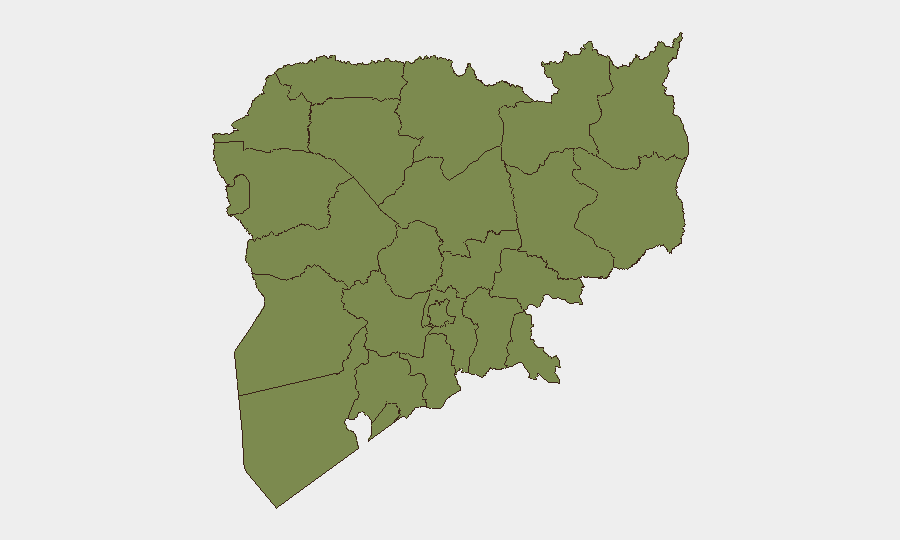
Cambodia remains a low-to-moderate threat environment globally (rank #113, composite score 9), with security risks heavily concentrated in the capital. The sub-national threat landscape is sharply skewed: Phnom Penh accounts for 85% of tracked risk (score 31.8), while all other provinces cluster at baseline (1.8–6.3). No verified, multi-source security or unrest incidents have been corroborated in the last 24–48 hours; the most recent tracked events cite Khmer Rouge activity on 2026-06-29, though open-source confirmation and current operational status remain unclear.
Key Developments
Open-source research over the last 24–48 hours has not identified freshly corroborated, location-specific security incidents meeting multi-source verification standards. Recent reporting available in web and social channels is either older than 48 hours (e.g., June 28–29 coverage of artifact looting and scam-center enforcement) or lacks precise time-stamping that would confidently place events within the brief window. Border-area activity and fence construction near Thai territory have generated social media content, but dating and verification remain insufficient for operational briefing. This absence of fresh incident data reflects either genuine operational quiet or a lag in open reporting—both warrant continued monitoring.
Highest-Risk Areas
Phnom Penh dominates the threat profile, accounting for the overwhelming majority of Cambodia's composite risk score (31.8 of 40 total). The capital's exposure derives from density of foreign nationals, business assets, diplomatic presence, and sensitivity to organized crime, civil unrest, and political instability. Kampong Thom is the only secondary province with material risk (6.3), likely reflecting border proximity and historical Khmer Rouge presence, though incidents remain sparse. All other provinces cluster at low baseline risk (1.8 each), indicating that corporate duty-of-care focus should remain squarely on Phnom Penh operations and transit corridors.
How GeoBit Would Assist
Security teams with personnel or assets in Cambodia should use AOI Monitoring & Early Warning to maintain persistent watch on Phnom Penh and border provinces, with automated alerting for civil unrest, protest activity, and military movement. Intel Sweep and OSINT fusion (X/Telegram monitoring, local-language search, multi-source corroboration) would provide real-time incident detection and confirmation, reducing reliance on lagged open reporting. Risk & Threat Assessment workflows would support regular scenario modeling for supply-chain disruption, staff evacuation, and asset protection across the sub-national landscape.
7-Day Outlook
No imminent shift in Cambodia's low-baseline threat environment is apparent from current open reporting. Phnom Penh will remain the primary focus for corporate security; operations in provincial areas and along borders should maintain standard vigilance. Continued monitoring for any escalation in Khmer Rouge activity, border military posture, or organized crime enforcement will be essential to early detection of trajectory change.
Highest-Risk Areas — Ranked
| # | State / Region | Risk |
|---|---|---|
| 1 | Phnom Penh | 31.8 |
| 2 | Kampong Thom | 6.3 |
| 3 | Koh Kong | 1.8 |
| 4 | Kampong Speu | 1.8 |
| 5 | Kandal | 1.8 |
| 6 | Prey Veng | 1.8 |
| 7 | Khaet Preah Sihanouk | 1.8 |
| 8 | Kampot | 1.8 |
| 9 | Kep | 1.8 |
| 10 | Takeo | 1.8 |
| 11 | Svay Rieng | 1.8 |
| 12 | Oddar Meanchey | 1.8 |
Sources
Previous Daily Briefs
A new Cambodia brief is written every day — each with its own risk map and downloadable CSV. Here's the last week; use the calendar to go further back.
📅 Browse every day by calendar →
Highlighted days have a brief. Tap a day for that day's map & analysis, or “csv” for that day's dataset ($5).