Situation Summary
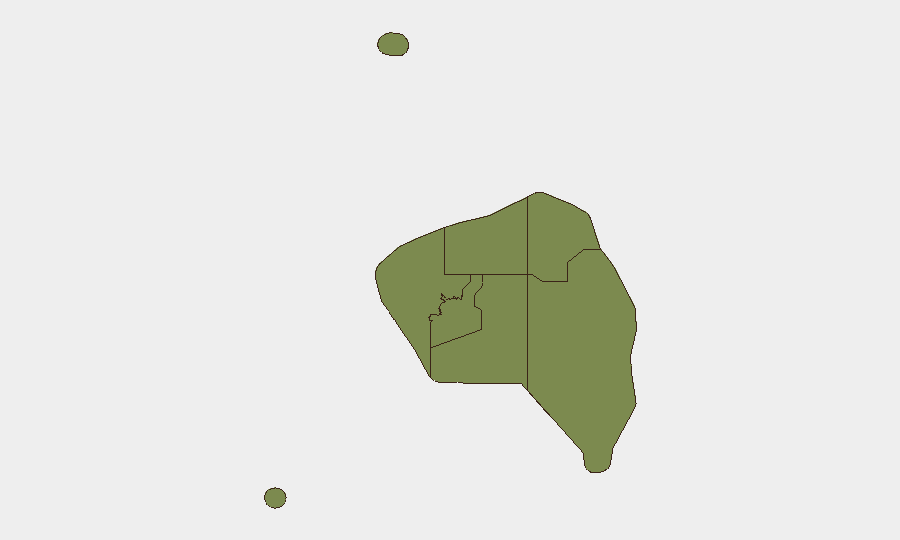
Fiji remains a low-threat environment globally (rank #136) with a composite threat score of 6 across 31 tracked events. No acute security incidents, civil unrest, infrastructure disruption, or travel-risk developments have been independently verified in the past 24–48 hours. Risk concentration is sub-national, with Central and Western divisions accounting for the majority of tracked activity; Eastern, Northern, and Rotuma divisions present minimal threat exposure.
Key Developments
- No acute incidents verified in last 24–48 hours. Open-source security monitoring, news aggregation, and X/Twitter OSINT tracking confirm absence of corroborated security, crime, unrest, or service-disruption events across Fiji as of 29 June 2026.
- Agricultural and government-sector activity flagged (28–29 June). GeoBit event signals detect investigation actions involving the Agriculture Ministry and broader Ministry entities, alongside farmer-linked threats and corporate demands toward government. These events remain unverified for severity or operational impact; no independent confirmation of incident details available.
- Religious and institutional disapproval noted (28 June). Methodist Church disapproval statement recorded; context and subject unconfirmed in open sources. Does not indicate security threat at this time.
- No regional spillover detected. Parallel monitoring of adjacent Pacific states (Marshall Islands) confirms no cross-border or regional security escalations as of 28 June that would create secondary risk to Fiji.
Highest-Risk Areas
Central division dominates sub-national risk (score 31.4), followed by Western division (27.1). These two regions account for approximately 86% of tracked threat activity in-country. Northern division presents moderate residual risk (18.5), while Eastern division and Rotuma remain minimal-threat areas (1.4 each). Risk concentration in Central and Western likely reflects population density, economic activity, and institutional presence; however, no current acute incidents in either region have been independently verified. Security teams should prioritize monitoring and contingency planning for these divisions, but current threat trajectory does not indicate imminent operational disruption.
How GeoBit Would Assist
Intel Sweep and OSINT fusion would provide continuous corroboration of event signals (currently unverified agricultural/government activity) against news, social media, and institutional sources, with multi-language and sentiment analysis to detect escalation early. AOI Monitoring & Early Warning on Central and Western divisions would deliver persistent watch with alerting thresholds, enabling duty-of-care teams to detect localized unrest or infrastructure risk before it affects personnel or asset security. Network & Actor Analysis would map relationships among government, agricultural, and corporate stakeholders driving the current event signals, clarifying threat intent and operational likelihood.
7-Day Outlook
No significant change in threat trajectory is anticipated over the next 7 days absent new triggering events. Central and Western divisions will remain priority monitoring zones. Agricultural and government-sector tensions (flagged 28–29 June) merit continued watch; escalation to service disruption, unrest, or asset risk remains low-probability but should be tracked for early warning.
Highest-Risk Areas — Ranked
| # | State / Region | Risk |
|---|---|---|
| 1 | Central | 31.4 |
| 2 | Western | 27.1 |
| 3 | Northern | 18.5 |
| 4 | Eastern | 1.4 |
| 5 | Rotuma | 1.4 |
Sources
Previous Daily Briefs
A new Fiji brief is written every day — each with its own risk map and downloadable CSV. Here's the last week; use the calendar to go further back.
📅 Browse every day by calendar →
Highlighted days have a brief. Tap a day for that day's map & analysis, or “csv” for that day's dataset ($5).