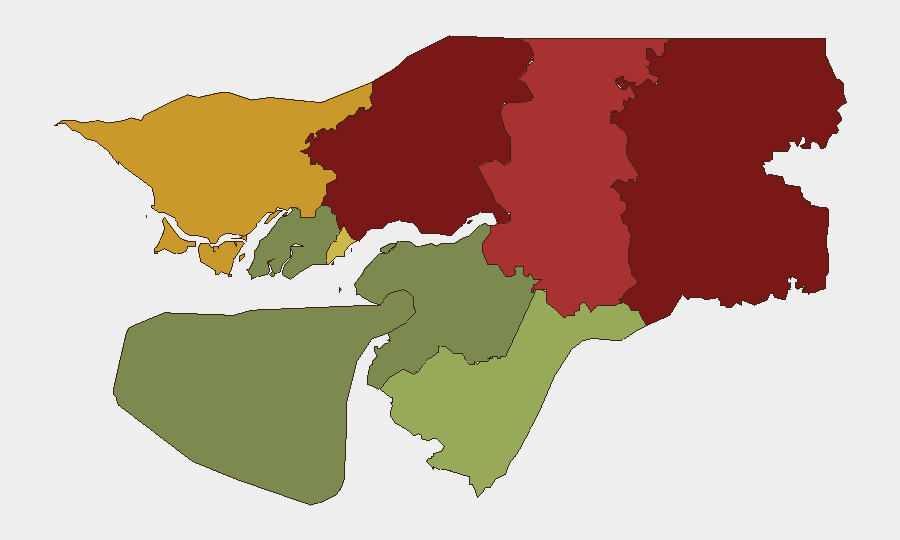
Situation Summary
Guinea-Bissau remains stable in the immediate 24–48-hour window, with no verified security incidents, armed clashes, or infrastructure disruptions reported. The principal pressure point is political—ongoing detention of opposition figures and diplomatic tension with Cape Verde—but this has not translated into street-level unrest or movement restrictions in the capital or major towns. Underlying fragility persists in northern and eastern border regions (Gabu, Oio, Bafatá), where trafficking, organized crime, and cross-border flows have sustained elevated composite risk scores despite the absence of current acute events.
Key Developments
- Nationwide — No new armed activity, protests, arrests, or crime incidents recorded in the last 24–48 hours; routine security posture unchanged across Bissau and provincial centers.
- Bissau (24 July) — Domingos Simões Pereira, detained opposition leader, was conditionally released for medical treatment and evacuated to Portugal; a political development reflecting ongoing pressure from ECOWAS rather than a security incident.
- Nationwide (political) — ECOWAS renewed calls for release of detained opposition figures, but no fresh street demonstrations, counter-mobilization, or state security responses were reported in the current window.
- Cape Verde border — Diplomatic freeze between Guinea-Bissau and Cape Verde remained unresolved; no new border frictions, retaliatory measures, or public demonstrations recorded in last 48 hours.
- Gabu / Oio / Bafatá regions — No new raids, armed group activity, or organized-crime incidents reported; baseline trafficking and cross-border movement patterns presumed ongoing but not flagged as acute in current cycle.
Highest-Risk Areas
Gabu Region (risk 92) and Oio Region (risk 85) drive the national risk profile and reflect chronic vulnerabilities to trafficking, cross-border organized crime, and weak state capacity rather than active armed conflict or recent violence. Bafatá Region (78) and Cacheu Region (72) similarly remain conduits for drug, arms, and human smuggling tied to broader Sahel and West African networks. Bissau Autonomous Sector (68) carries elevated risk tied to political detention, diplomatic tension, and urban crime, though the current cycle shows no acute incidents. Southern regions (Tombali, Quinara, Biombo, Bolama) present substantially lower threat profiles, reflecting lower trafficking volumes and greater institutional stability.
How GeoBit Would Assist
Security teams protecting personnel or assets in Guinea-Bissau should employ AOI Monitoring & Early Warning on Gabu, Oio, and Bafatá regions to detect trafficking surges, cross-border movement anomalies, or organized-crime activity before they escalate. Intel Sweep and multi-language OSINT (including Telegram and local media) will capture emerging political or criminal signals faster than official channels. Network & Actor Analysis applied to trafficking and organized-crime networks operating across Guinea-Bissau's borders can identify risk nodes relevant to supply-chain or personnel routing, while Routing & Network Analysis supports duty-of-care planning for alternative travel corridors and safe movement protocols.
7-Day Outlook
The near-term outlook remains quiescent operationally; no armed escalation or major public unrest is anticipated. Political pressure over detainees and Cape Verde relations may intensify rhetorically but is unlikely to trigger acute security incidents in the next seven days. Persistent baseline risks in border regions (trafficking, crime, smuggling) will continue; organizations should maintain standard heightened vigilance in northern provinces and avoid non-essential movement in Gabu and Oio outside daylight hours.
Highest-Risk Areas — Ranked
| # | State / Region | Risk |
|---|---|---|
| 1 | Gabu Region | 92 |
| 2 | Oio Region | 85 |
| 3 | Bafatá Region | 78 |
| 4 | Cacheu Region | 72 |
| 5 | Bissau Autonomous Sector | 68 |
| 6 | Tombali Region | 45 |
| 7 | Quinara Region | 38 |
| 8 | Biombo Region | 32 |
| 9 | Bolama Region | 15 |
Previous Daily Briefs
A new Guinea-Bissau brief is written every day — each with its own risk map and downloadable CSV. Here's the last week; use the calendar to go further back.
📅 Browse every day by calendar →
Highlighted days have a brief. Tap a day for that day's map & analysis, or “csv” for that day's dataset ($5).
Atlas — our AI intelligence desk — emails them this snapshot personally. Nothing else, no list.