Situation Summary
Iceland remains a globally low-threat environment (rank #72, composite score 28) with no recorded security events in the current reporting window. However, a confluence of localized incidents—diplomatic tension, healthcare-sector cyber compromise, capital-region property crime, labour unrest in aviation, and early-season weather hazards—warrants targeted monitoring. The security posture is stable but fragmented across cyber, infrastructure, and natural-hazard domains; trajectory is watchful rather than deteriorating.
Key Developments
- Reykjavík, Ministry of Foreign Affairs – 8–9 Sep – Iceland's Foreign Minister summoned the U.S. Ambassador to lodge a formal protest against former President Trump's social-media post depicting Iceland absorbed into a U.S. map. Authorities characterized the post as an affront to national sovereignty and highlighted sensitivity around Iceland's defence dependence on the U.S. and NATO.
- Reykjavík, Múlahverfi (District 108) – 9 Sep – Capital-region police reported multiple property crimes including burglary, theft, and suspected arson. While routine for a low-crime jurisdiction, incidents suggest localized property-crime activity and potential fire-risk within the capital.
- Inter ehf (healthcare organization, likely Reykjavík area) – Reported 9 Sep – Threat-intelligence sources reported that Inter ehf, an Iceland-based hospital and healthcare provider, fell victim to ransomware group "Galago," with approximately 105 GB of data compromised. The group has indicated intention to publish data within 19–20 days. No official government confirmation as of reporting, but represents credible cyber risk to the healthcare sector and potential exposure of sensitive medical and administrative records.
- Icelandair, national aviation sector – 12 Sep – Aircraft mechanics voted on launching an indefinite strike following unsuccessful wage negotiations. A confirmed strike would disrupt flight schedules, maintenance operations, and passenger travel.
- Eldgjá highlands – 11 Sep (reported 14 Sep) – Rangers reported heavy snowfall and advised poorly equipped tourists to turn back, underscoring early-season winter conditions and elevated risk on highland routes for underprepared travellers.
- Iceland, nationwide roads and coast – 13 Sep – Meteorological advisories warned of rain and strengthened winds across most of Iceland, with guidance to check road and weather information before longer journeys. Typical hazards for visibility and road safety.
- France travel advisory – 9 Sep – France's official travel advisory for Iceland was updated with routine guidance and no elevation of overall threat level, consistent with stable security conditions for French nationals.
- Reykjavík travel-risk profile – 12 Sep – Commercial indices rate Reykjavík composite risk at 14/100 (low), with crime at 12/100 and natural disasters the highest category. U.S. State Department maintains Level 1 advisory; pickpocketing in crowded areas is the primary crime concern.
Highest-Risk Areas
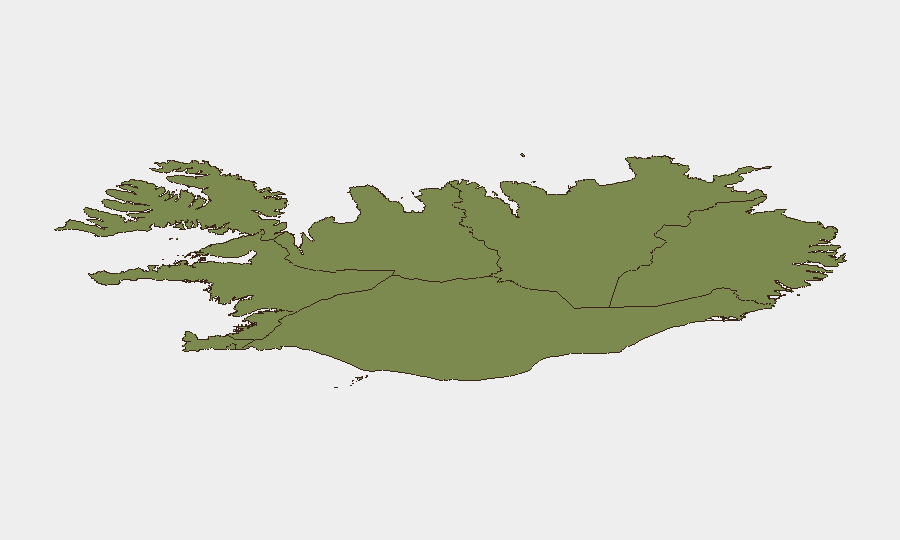
The Capital Region (risk 24) accounts for the plurality of identified activity—diplomatic incidents, cyber compromise, property crime, and labour actions—and remains the highest-risk sub-national area. The Southern Peninsula (risk 12) and Southern Region (risk 11) follow but have not generated discrete events in this cycle. Risk concentration in the capital reflects Iceland's demographic and administrative centralization; secondary regions experience materially lower composite scores and few recorded incidents.
How GeoBit Would Assist
Security teams would employ Intel Sweep and OSINT fusion to monitor diplomatic and political-sentiment shifts around U.S.–Iceland relations in near-real time. Cyber threat tracking and entity extraction would correlate emerging ransomware claims (e.g., "Galago") against healthcare and critical infrastructure sectors. AOI Monitoring with alerting on Reykjavík, Keflavík airport, and key infrastructure nodes would provide early warning of labour actions, weather impacts, or secondary incidents affecting asset access and personnel movement.
7-Day Outlook
Aviation labour negotiations will likely come to resolution (strike or agreement) within 7–10 days; confirmation of a strike would materially elevate operational risk for businesses dependent on air transport. Meteorological conditions are expected to remain volatile through mid-week, with continued emphasis on road hazard and weather-dependent travel constraints. The Inter ehf ransomware incident and diplomatic tension are unlikely to escalate but warrant sustained monitoring for secondary effects on healthcare operations and official relations.
Highest-Risk Areas — Ranked
| # | State / Region | Risk |
|---|---|---|
| 1 | Capital Region | 24 |
| 2 | Southern Peninsula | 12 |
| 3 | Southern Region | 11 |
| 4 | Eastern Region | 10 |
| 5 | Western Region | 9 |
| 6 | Westfjords Region | 8 |
| 7 | Northwestern Region | 7 |
| 8 | Northeastern Region | 6 |
Sources
Previous Weekly Briefs
A new Iceland brief is written every Monday, covering the week — each with its own risk map and downloadable CSV. Use the calendar to go further back.
- September 8, 2026
- September 2, 2026
- September 1, 2026
- August 31, 2026
- August 30, 2026
- August 29, 2026
- August 28, 2026
📅 Browse past briefs by calendar →
Highlighted days have a brief. Tap a day for that day's map & analysis, or “csv” for that day's dataset ($5).
Atlas — our AI intelligence desk — emails them this snapshot personally. Nothing else, no list.