Situation Summary
Japan remains a low-threat operating environment (rank #160 globally) with no major civil unrest, political violence, or terrorism reported in the past 48 hours. However, a confluence of localized accidents, a significant ongoing cyber-supply-chain disruption, and extreme heat conditions has elevated routine operational and health risks across the country. The security picture is stable at the macro level but fragmented at the tactical level, with concentration of incidents in the greater Tokyo area and coastal regions.
Key Developments
- Nishi-Meihan Expressway, Kansai region – July 20, 2026: Two-vehicle collision near a tollgate caused by wrong-way driving resulted in 3 deaths/injuries and temporary expressway closure, highlighting elevated highway accident risk on major interprefectural routes.
- Convenience store, Kanagawa Prefecture (greater Tokyo) – July 20, 2026: Vehicle struck the storefront; responding police confronted an armed 45-year-old male suspect with a knife, fired a warning shot, and made an arrest. Bystanders present but no secondary casualties reported.
- Multiple coastal swimming areas, including Toyama Prefecture – July 20, 2026: At least four fatal water drownings reported at beaches and seaside resorts during the long weekend, including a fourth-grade child in Toyama, reflecting elevated risk at crowded recreation sites.
- Lake water-sports area, location unspecified – July 20, 2026: A 23-year-old male drowned after falling from a towed inflatable during a group recreational activity; three others also fell in the same incident.
- Yokohama City, Kanagawa Prefecture – July 20, 2026: A 3-year-old child was struck and killed by a car while crossing a road; the 52-year-old driver was arrested on suspicion of negligent vehicular homicide.
- Okayama Prefecture, prefectural road – July 20, 2026: Head-on collision between a passenger car and a sports car killed two occupants of the sports vehicle, indicating non-negligible accident risk on secondary roads.
- GSDF camp, suburban Tokyo – July 20, 2026: A fire started in a garbage storage area at a Ground Self-Defense Force facility; fire services responded and contained it with no reported civilian impact.
- Nichirei cyberattack aftermath, nationwide – ongoing since July 13, 2026: Japan's largest food-logistics firm continues restoration after a confirmed cyberattack that disrupted shipments to restaurants, retailers, and delivery services; compromised servers contained personal information, with supply-chain disruptions persisting.
- Nationwide extreme heat – July 20, 2026: Temperatures exceeded 35°C across much of Japan following the official end of the rainy season in Tokyo, triggering heatstroke warnings and elevated occupational safety risk.
Highest-Risk Areas
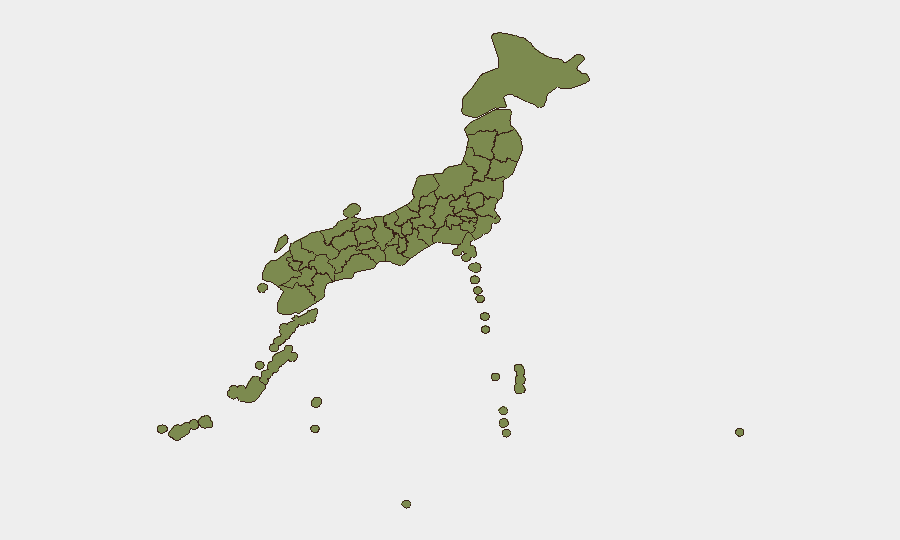
Nagano Prefecture (risk 31.5) is an outlier, driving nearly 40% of the national composite risk score, followed by Tokyo (19.6), which reflects both population density and the concentration of critical infrastructure and logistics hubs. The greater Tokyo region (Tokyo, Kanagawa, Chiba) is experiencing the highest acute incident density—including the convenience-store vehicle strike, fatal pedestrian accidents, and proximity to cyberattack-affected distribution networks. Hokkaido, Akita, and Aichi round out the secondary tier with significantly lower but non-zero threat profiles.
How GeoBit Would Assist
Security teams should employ Intel Sweep and OSINT fusion to monitor emerging cyber threats targeting logistics and critical supply chains, particularly food distribution. AOI Monitoring & Early Warning capabilities applied to high-incident areas (greater Tokyo, coastal zones) would provide persistent watch for escalating accident clusters, localized crime patterns, or infrastructure failures. Routing & Network Analysis would enable alternative journey planning to avoid high-accident corridors and heat-affected routes, reducing exposure to traffic fatalities and heat-stress incidents.
7-Day Outlook
Routine accident and water-safety risks will likely persist through the long-weekend period and into the following week as heat stress and recreational activity remain elevated. The Nichirei cyberattack recovery trajectory will continue gradually; residual supply-chain disruptions may affect some retailers and food-service operations. No material escalation in civil unrest, terrorism, or political violence is forecast over the next seven days.
Highest-Risk Areas — Ranked
| # | State / Region | Risk |
|---|---|---|
| 1 | Nagano Prefecture | 31.5 |
| 2 | Tokyo | 19.6 |
| 3 | Hokkaido Prefecture | 5.1 |
| 4 | Akita Prefecture | 4.2 |
| 5 | Aichi Prefecture | 3.3 |
| 6 | Hiroshima Prefecture | 1.7 |
| 7 | Kyoto Prefecture | 1.7 |
| 8 | Chiba Prefecture | 1.7 |
| 9 | Okinawa Prefecture | 1.5 |
| 10 | Nagasaki Prefecture | 1.5 |
| 11 | Kumamoto Prefecture | 1.5 |
| 12 | Miyazaki Prefecture | 1.5 |
Sources
Previous Daily Briefs
A new Japan brief is written every day — each with its own risk map and downloadable CSV. Here's the last week; use the calendar to go further back.
📅 Browse every day by calendar →
Highlighted days have a brief. Tap a day for that day's map & analysis, or “csv” for that day's dataset ($5).
Atlas — our AI intelligence desk — emails them this snapshot personally. Nothing else, no list.