Situation Summary
Kuwait is experiencing an active, multi-domain security crisis following Iranian ballistic missile, cruise missile, and drone strikes across the country on 31 July 2026. Iranian forces have targeted critical infrastructure—power plants, water distillation facilities, oil installations, and military airbases—alongside civilian areas, resulting in confirmed casualties, facility damage, and temporary transport disruptions. Air defense interceptions have prevented larger-scale impact, but the escalation represents a material shift in threat level and indicates sustained Iranian operational intent against Kuwait's territory and US-aligned military assets.
Key Developments
- Ahmad al-Jaber Air Base & Ali Al-Salem Air Base (31 July, south and northwest Kuwait City). IRGC claimed successful drone strikes on both bases, targeting fighter aircraft, communications systems, ammunition depots, and US equipment. US and regional reporting confirms explosions at or near US facilities; casualty figures remain unconfirmed.
- Northern Kuwait—Chinese company facility (31 July, morning). Iranian strike killed one worker and caused severe structural damage; incident confirmed by Kuwait's Defense Ministry and multiple independent sources.
- Power and water infrastructure (30–31 July, location not publicly specified). Two separate Iranian attacks on electricity generation and water distillation plants caused fires, unit deactivation, injuries to emergency personnel, and temporary outages in residential areas.
- Oil facility (31 July, location withheld). Iranian attack caused injuries and significant material losses; site evacuated in response to ongoing escalation.
- Kuwait International Airport & national airspace (31 July, Farwaniya Governorate). Air defense systems engaged Iranian missiles and drones; radar and facilities sustained damage. Airspace closed and airport operations suspended; traffic later resumed after airspace reopened.
- Abdali border crossing with Iraq (31 July, northern Kuwait). Crossing damaged in Iranian attacks; Interior Ministry announced reopening within 48 hours pending inspections.
- Air defense summary (31 July). Kuwait's Ministry of Defense reported interception of 3 ballistic missiles, 1 cruise missile, and 10 drones over national territory; at least one injury from falling debris reported.
Highest-Risk Areas
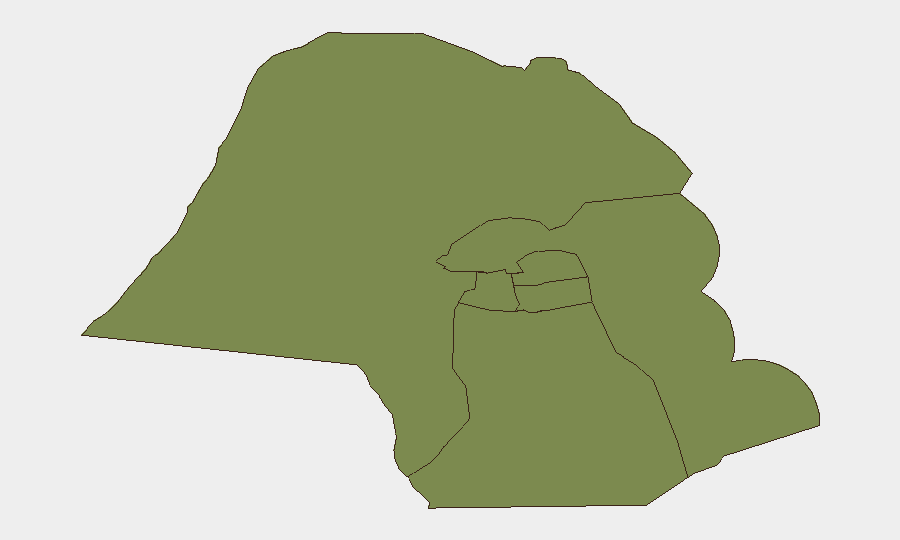
Jahra Governorate carries significantly elevated risk (31.3 composite score), likely reflecting its proximity to Iraqi border and airspace transit corridors used in the current Iranian strike campaign. Remaining governorates—Ahmadi, Farwaniya, Hawalli, Mubarak al-Kabir, and Capital—show materially lower individual scores (1.3 each), but the concentration of critical infrastructure, airports, and military assets across the Capital and Farwaniya governorates means that despite lower baseline scores, these zones now face direct, demonstrated threat from airborne Iranian attacks. Jahra's elevation reflects exposure to both Iranian projectiles and secondary Iraqi security dynamics.
How GeoBit Would Assist
Security and risk teams should activate AOI Monitoring & Early Warning on known military bases, power plants, oil facilities, and border crossings to provide persistent real-time alerting on subsequent Iranian activity, weapons movement, or secondary escalation. Conflict & Military capabilities—including force structure tracking and weapons-capability profiling—enable teams to assess Iranian inventory depletion, rearm timelines, and likelihood of follow-on strikes. Maritime & Aviation tracking, combined with OSINT fusion (X/Twitter, Telegram, regional media), will detect air defense posture changes, airspace reopenings, and re-routing of commercial traffic affecting business continuity.
7-Day Outlook
Iranian military has demonstrated sustained operational capability and stated intent to target Kuwait's infrastructure and US positions. Expect continued elevated alert posture at airports, military facilities, and critical utilities over the next 7 days. Secondary effects—supply-chain delays, insurance implications, and staffing disruptions—will persist even if kinetic activity pauses. Escalation trajectory remains fluid pending broader regional de-escalation efforts.
Highest-Risk Areas — Ranked
| # | State / Region | Risk |
|---|---|---|
| 1 | Jahra Governorate | 31.3 |
| 2 | Ahmadi Governorate | 1.3 |
| 3 | Farwaniya Governorate | 1.3 |
| 4 | Hawalli Governorate | 1.3 |
| 5 | Mubarak al-Kabir Governorate | 1.3 |
| 6 | Capital Governorate | 1.3 |
Sources
Previous Daily Briefs
A new Kuwait brief is written every day — each with its own risk map and downloadable CSV. Here's the last week; use the calendar to go further back.
📅 Browse every day by calendar →
Highlighted days have a brief. Tap a day for that day's map & analysis, or “csv” for that day's dataset ($5).
Atlas — our AI intelligence desk — emails them this snapshot personally. Nothing else, no list.