Situation Summary
Maldives remains a low–threat environment globally (rank #182, composite score 3), but localized crime and labour instability are generating operational friction in the capital region and southern atolls. The past 24–48 hours have surfaced petty theft, drug-enforcement activity, maritime incident investigation, and significant public-sector layoffs affecting over 2,000 workers in Hulhumalé—none representing systemic instability, but collectively signalling elevated routine security management requirements in Malé and Addu City. The current trajectory suggests contained, incident-level risks rather than widespread unrest.
Key Developments
- Malé City, Hulhumalé – July 19–20, 2026: Housing Development Corporation began mass staff redundancy notifications (2,000+ employees), opening voluntary-departure window and creating labour-market uncertainty and potential social tension in the capital's largest residential zone.
- Malé City, Izzudheen Jetty area – July 15, 2026 (ongoing): Boat involved in hit-and-run maritime collision with speedboat *Legion 1* remains at large five days post-incident; five people (four expatriates, one local) injured and treated at IGMH; dedicated Marine Police investigation continuing.
- Malé City, multiple cafés – July 14, 2026 (enforcement phase concluded within 24–48h): Joint Immigration raid on nine cafés arrested 10 foreign workers for illegal employment as part of Operation Kurangi phase 3; irregular worker population remains elevated in capital service sector.
- Addu City, Feydhoo & Maradhoo – July 20, 2026: Two men arrested for theft of cash drawer, keys, and power tools from City Auto Garage; stopped on motorcycle in Maradhoo with suspected theft implements; 13-day remand ordered.
- Addu City, Maradhoo – July 13 order, enforced within 24–48h: Magistrate's Court ordered 90-day closure of residence *Boalhadhanduge* for alleged drug-service operations; first such establishment shutdown in Maradhoo; police warning issued on trespass penalties.
- Haa Alif Atoll, Hoarafushi – night of July 14, 2026 (unrest continued into following day): Three children from local centre alleged to have assaulted a man; social-media circulation and resident protest outside centre prompted police response, signalling localized civil friction in outer atoll.
Highest-Risk Areas
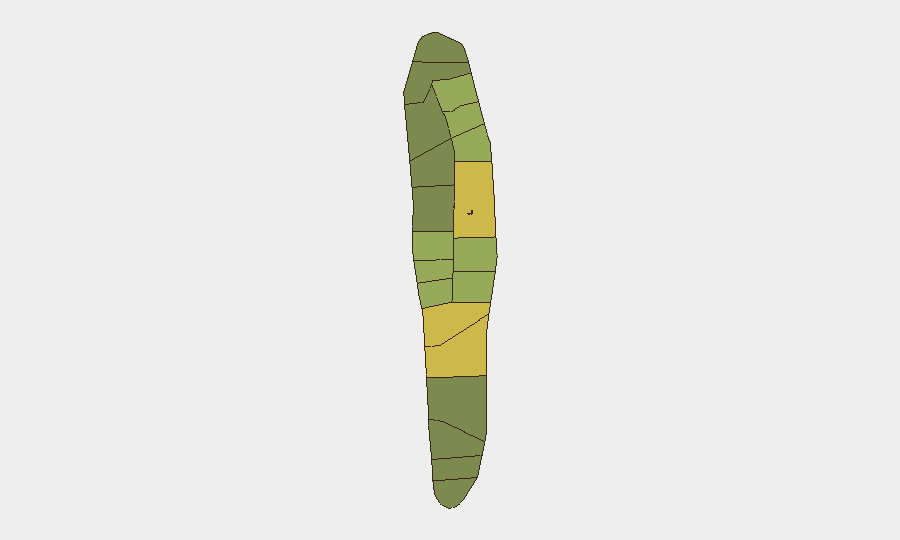
Malé (risk 85) and Malé Atoll (68) dominate the threat ranking, driven by labour disruption, irregular-worker enforcement, and maritime incident investigation in the capital and immediate surrounding waters. Hadhdhunmathi (65), Kolhumadulu (60), and Felidhu Atoll (58) show elevated composite scores reflecting crime-incident clustering in the southern atolls, particularly Addu City theft and drug-enforcement activity. Outer atolls (Haa Alif, North/South Miladhunmadulu, Nilandhe atolls) rank lower but are not risk-free; localized civil unrest in Hoarafushi and limited law-enforcement response capacity in remote areas warrant baseline monitoring.
How GeoBit Would Assist
Teams with personnel or assets in Malé and Addu City should deploy AOI Monitoring & Early Warning (persistent watch on Hulhumalé, key commercial and residential zones) and OSINT fusion (cross-check local media, social platforms, and enforcement announcements) to detect labour escalation, protest activity, or crime clustering in real time. Maritime & Aviation tracking paired with incident-level OSINT would provide continuous visibility on hit-and-run investigation status and harbour-zone hazards. Routing & Network Analysis enables alternative journey planning during enforcement sweeps and labour unrest in Malé's service and residential sectors.
7-Day Outlook
No systemic destabilization is forecast. Labour redundancy notifications may trigger localized protest activity in Hulhumalé and spike irregular-worker enforcement across Malé's service sector through late July. Petty crime and drug enforcement are expected to remain routine; the maritime incident investigation may yield vessel identification within 5–10 days. Duty-of-care teams should maintain heightened situational awareness in the capital and southern atolls but should not expect material escalation absent further political or labour-union statements.
Highest-Risk Areas — Ranked
| # | State / Region | Risk |
|---|---|---|
| 1 | Malé | 85 |
| 2 | Malé Atoll | 68 |
| 3 | Hadhdhunmathi | 65 |
| 4 | Kolhumadulu | 60 |
| 5 | Felidhu Atoll | 58 |
| 6 | Mulaku Atoll | 55 |
| 7 | Faadhippolhu | 52 |
| 8 | South Miladhunmadulu | 48 |
| 9 | North Miladhunmadulu | 45 |
| 10 | South Nilandhe Atoll | 44 |
| 11 | North Nilandhe Atoll | 42 |
| 12 | South Ari Atoll | 40 |
Sources
Previous Daily Briefs
A new Maldives brief is written every day — each with its own risk map and downloadable CSV. Here's the last week; use the calendar to go further back.
📅 Browse every day by calendar →
Highlighted days have a brief. Tap a day for that day's map & analysis, or “csv” for that day's dataset ($5).
Atlas — our AI intelligence desk — emails them this snapshot personally. Nothing else, no list.