Situation Summary
Qatar experienced a significant but contained security incident on 17 July 2026 when Iranian ballistic missiles and aerial attacks were intercepted over Doha in the early morning hours; one child sustained shrapnel injuries during air-defense engagement. National authorities elevated threat levels briefly, activated civil-protection protocols, and subsequently declared the immediate threat neutralized and security posture returned to normal by late morning. As of 19–20 July, no new domestic incidents have been reported, though regional escalation and Iranian strike capability remain active concerns; multiple governments have updated travel advisories warning of potential airspace restrictions and flight disruptions through at least 29 July.
Key Developments
- Doha, 17 July 03:30–05:45 — Missile Interception & Civil Alert: Qatar's Ministry of Defence confirmed interception of multiple Iranian ballistic missiles over the capital; Ministry of Interior issued two nationwide mobile alerts directing residents to take shelter, followed by all-clear notifications as threat was eliminated. AFP journalists and residents reported explosions consistent with air-defense engagement.
- Doha Residential Area, 17 July Early Morning — Civilian Casualty: One child injured by falling shrapnel from interception operations; Civil Defence activated emergency response and confirmed the child is receiving medical treatment.
- Qatar National Airspace, 17 July Morning to 19 July — Aviation & Airspace Impact: EASA advised air operators to avoid Gulf airspace; multiple foreign governments (France, Australia) updated travel advisories citing renewed Iranian strikes and warning of possible flight disruptions and airspace closures through 29 July affecting commercial traffic via Doha.
- Qatar Security Posture, 17 July–Present — Threat Level Normalization: Following high-alert status in early morning hours, national security levels returned to normal by late morning 17 July; no escalation or secondary incidents reported in the 48 hours following the attack.
Highest-Risk Areas
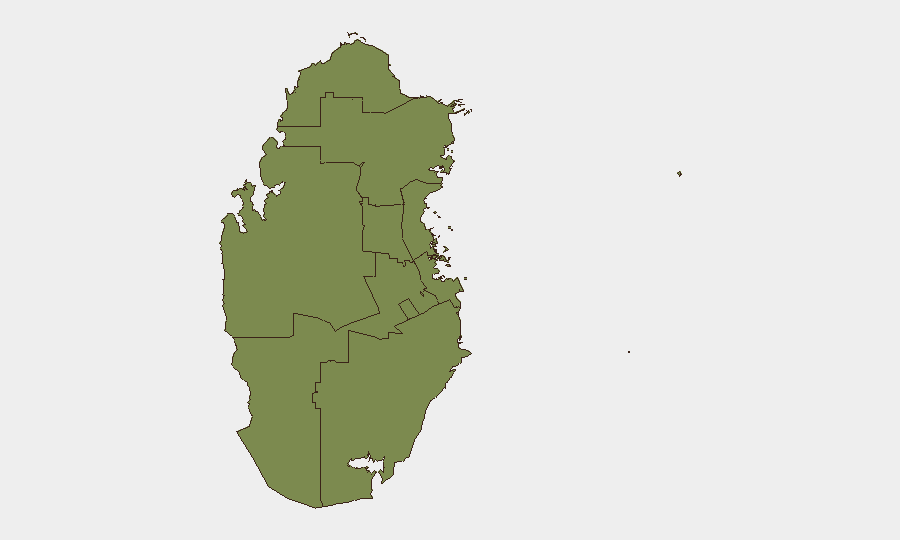
Al Shahaniya presents a substantially elevated composite risk score (31.8) compared to all other sub-national regions, though the reason for this distinction is not detailed in current open-source assessments and warrants targeted investigation. Doha (risk 10.3) remains the second-highest-risk area, reflecting its status as the capital, primary foreign-national concentration, major infrastructure hub, and target of the 17 July aerial attack. All remaining tracked regions (Ash Shamal, Al Rayyan, Al Khor, Al-Daayen, Umm Salal, Al Wakrah) carry minimal individual risk scores (1.8 each), suggesting risk is geographically concentrated in the capital and Al Shahaniya. Corporate teams with personnel or assets in Doha should maintain heightened awareness of airspace advisories and follow official Qatari civil-protection alerts; those operating in or near Al Shahaniya should seek current, location-specific threat assessments.
How GeoBit Would Assist
Security and duty-of-care teams should deploy AOI Monitoring & Early Warning to establish persistent watch over Doha and Al Shahaniya with real-time alerting for new missile activity, civil unrest, or infrastructure incidents. Intel Sweep and OSINT fusion (X/Twitter, Telegram, YouTube, multi-language search) can track Iranian military statements, Qatari air-defense posture, and travel/business-continuity impacts within 2–4 hours of occurrence. Aviation tracking and Routing & Network Analysis enable rapid identification of flight disruptions and alternative travel routes and timelines for personnel movement, minimizing exposure to airspace closures.
7-Day Outlook
Regional escalation between Iran and Qatar/Gulf partners will likely persist through late July, with continued elevated risk of follow-on Iranian strikes; airspace restrictions and flight delays should be anticipated. Domestic security in Qatar is expected to remain stable absent new external strikes, though alert levels may fluctuate with diplomatic developments or intelligence of imminent Iranian action. Personnel and asset security protocols should remain elevated through at least 29 July, with daily monitoring of official Qatari alerts and international travel advisories.
Highest-Risk Areas — Ranked
| # | State / Region | Risk |
|---|---|---|
| 1 | Al Shahaniya | 31.8 |
| 2 | Doha | 10.3 |
| 3 | Ash Shamal | 1.8 |
| 4 | Al Rayyan | 1.8 |
| 5 | Al Khor and Al Thakhira | 1.8 |
| 6 | Al-Daayen | 1.8 |
| 7 | Umm Salal | 1.8 |
| 8 | Al Wakrah | 1.8 |
Sources
Previous Daily Briefs
A new Qatar brief is written every day — each with its own risk map and downloadable CSV. Here's the last week; use the calendar to go further back.
📅 Browse every day by calendar →
Highlighted days have a brief. Tap a day for that day's map & analysis, or “csv” for that day's dataset ($5).
Atlas — our AI intelligence desk — emails them this snapshot personally. Nothing else, no list.