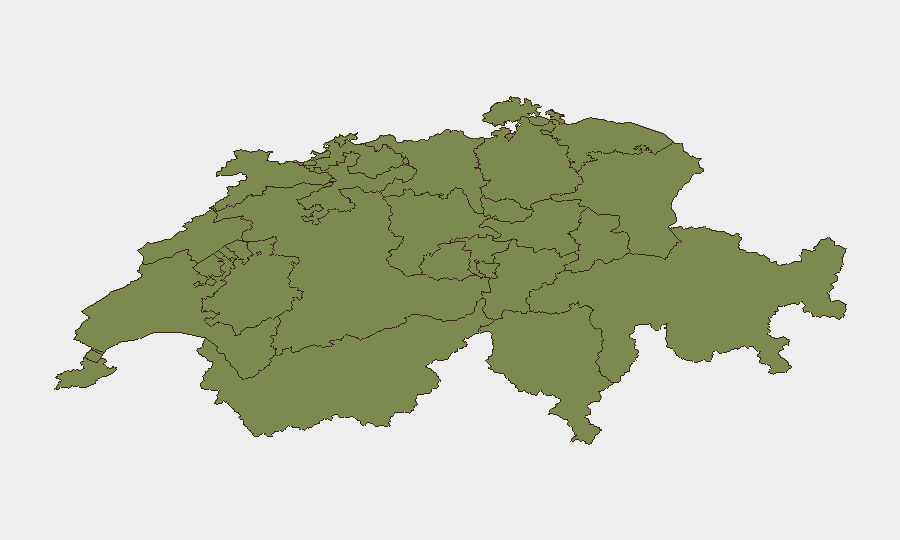
Situation Summary
Switzerland remains a low-threat environment with a composite threat score of 3 and no verified incidents of terrorism, civil unrest, major crime spikes, or infrastructure disruption in the past 24–48 hours. The country's security posture is stable nationwide, though heightened but orderly protective security measures are in place around US–Iran diplomatic negotiations at an undisclosed resort location. Overall risk trajectory is flat and predictable.
Key Developments
- Bürgenstock area, Canton Nidwalden (~27 June 2026): Tight security checkpoints and increased police patrols deployed around a resort hosting US–Iran nuclear and Strait of Hormuz negotiations; measures are precautionary and orderly with no reported incidents or clashes.
- Montreux, Canton Vaud (26–27 June 2026): The 44th session of the Inter-Agency Security Management Network (IASMN) held at the venue; security-management discussions among UN and international agencies proceeded without disruption or reported threats.
- Major Swiss cities—Zurich, Geneva, Bern, Basel, Lausanne (26–27 June 2026): Routine monitoring confirms baseline petty crime risks (pickpocketing, theft at transit hubs) with no spikes or unusual incidents over the reporting window.
- Swiss transport and infrastructure nationwide (26–27 June 2026): No reports of severe flooding, landslides, or utility disruptions impacting travel; all major systems operating normally.
- Diplomatic delegations in Switzerland (26–27 June 2026): Ongoing US–Iran talks generating heightened protective security around participating delegations; no protests, violence, or attacks related to negotiations documented within Swiss territory.
Highest-Risk Areas
Lucerne (31.8) and Geneva (24.6) carry materially higher composite risk scores than the remaining ten cantons, which cluster around 1.8–2.2. Lucerne's elevated score warrants attention from duty-of-care teams with personnel or assets there; Geneva's ranking reflects its role as a major diplomatic and international-organization hub, where large gatherings, visa processing, and transnational actor activity naturally concentrate risk. All other regions show minimal differentiation and low absolute risk. No current acute drivers justify emergency escalation in either canton.
How GeoBit Would Assist
Teams managing personnel or assets in Switzerland can employ AOI Monitoring & Early Warning to track the Lucerne and Geneva cantons continuously, with automated alerting if event patterns spike or new protest/security cordons emerge. Multi-language OSINT and social-media intelligence (X/Twitter, Telegram) provide real-time visibility into diplomatic activity, protest announcements, and transport disruptions before they affect operations. Routing & Network Analysis can pre-stage alternative travel corridors for staff, especially around Geneva's diplomatic district, should protests or security lockdowns materialize on short notice.
7-Day Outlook
The diplomatic talks currently hosted in Switzerland are expected to remain the primary focus of heightened security activity through early July; protective measures will likely persist but remain orderly and localized. Baseline summer travel-season petty crime in major cities is anticipated to continue at historical norms. No significant escalation in terrorism, civil unrest, or infrastructure risk is forecast for Switzerland over the next seven days.
GeoBit Daily Security Brief | 2026-06-28 | Switzerland
Highest-Risk Areas — Ranked
| # | State / Region | Risk |
|---|---|---|
| 1 | Lucerne | 31.8 |
| 2 | Geneva | 24.6 |
| 3 | Basel-City | 2.2 |
| 4 | Aargau | 2.2 |
| 5 | Bern | 2.2 |
| 6 | Nidwalden | 2.2 |
| 7 | Grisons | 2.2 |
| 8 | Jura | 1.8 |
| 9 | Basel-Landschaft | 1.8 |
| 10 | Solothurn | 1.8 |
| 11 | Vaud | 1.8 |
| 12 | Neuchâtel | 1.8 |
Sources
Previous Daily Briefs
A new Switzerland brief is written every day — each with its own risk map and downloadable CSV. Here's the last week; use the calendar to go further back.
📅 Browse every day by calendar →
Highlighted days have a brief. Tap a day for that day's map & analysis, or “csv” for that day's dataset ($5).