Situation Summary
The United States threat environment remains elevated, with a composite national security score of 44 (rank #47 globally) and 7,328 tracked events. Over the past 24–48 hours, violent crime has spiked across major metropolitan areas—including multiple shootings in Los Angeles, Chicago, Atlanta, Philadelphia, and Phoenix—alongside civil unrest in Portland and a significant infrastructure incident in Houston. Texas and California continue to drive the majority of sub-national risk, reflecting ongoing patterns of armed violence, institutional friction, and operational disruption.
Key Developments
- Los Angeles, California (June 11): Shooting near Hollywood Pride event area on Hollywood Boulevard resulted in at least one injury and temporary lockdown; LAPD secured the scene and investigation ongoing.
- Chicago, Illinois (June 10–11, overnight): Multiple shootings reported across the city, including a mass shooting on the West Side where an individual opened fire on a group standing outside; multiple victims transported to hospitals with no immediate arrests announced.
- Atlanta, Georgia (June 11): Armed carjacking near downtown escalated into gunfire, wounding at least one victim; suspect remains at large and public safety advisories issued for surrounding area.
- Philadelphia, Pennsylvania (June 10–11, overnight): Series of armed robberies in North Philadelphia involving firearm threats; shots fired in at least one store with property damage but no reported fatalities.
- Phoenix, Arizona (June 11): Road-rage incident on Interstate 10 escalated to shooting; at least one gunshot victim treated at scene; freeway lanes temporarily closed during investigation.
- New York City, New York (June 11): Protest outside federal building in lower Manhattan related to national political issues; NYPD arrested multiple demonstrators after refusal to disperse from building entrances.
- Portland, Oregon (June 11, late-night): Demonstration downtown resulted in vandalism and broken windows at multiple businesses; Portland Police declared unlawful assembly and dispersed crowd.
- Houston, Texas (June 11, evening): Fire at electrical substation caused power outage affecting tens of thousands of customers, disrupting traffic signals; restoration underway.
Highest-Risk Areas
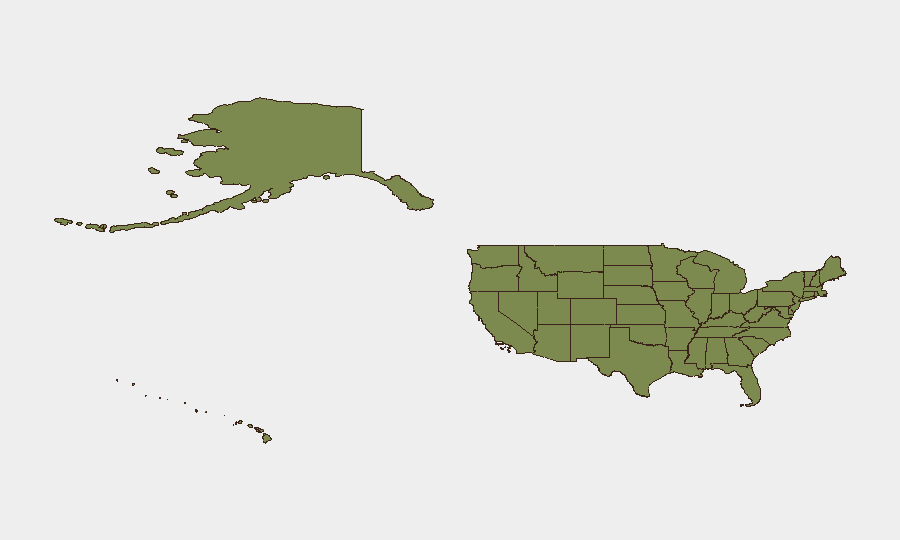
Texas (32.7) and California (31.3) remain significantly above all other states in composite threat scores, driven by the concentration of armed violence, infrastructure vulnerability, and institutional friction signals documented over the past 48 hours. Kansas ranks third (25.6), suggesting a secondary tier of concern distinct from the major metropolitan drivers. New York (18.6) and Ohio (13.8) show moderate elevation, with New York's recent federal building protest and broader civil unrest activity contributing to its profile. The clustering of violent-crime events in the top two states reflects both population density and ongoing operational challenges in law enforcement and public safety response.
How GeoBit Would Assist
Security teams operating in United States would employ Intel Sweep and OSINT fusion to monitor emerging incidents in real time across X/Twitter, Telegram, and local news feeds, enabling rapid situational awareness across dispersed locations. AOI Monitoring & Early Warning on key facilities, transit corridors, and event venues in Texas, California, and New York would generate alerts on protest activity, road-rage incidents, and infrastructure threats before escalation. Risk & Threat Assessment combined with Network & Actor Analysis would identify recurring patterns in shooting incidents and vandalism to support preventive resource allocation and duty-of-care protocols.
7-Day Outlook
Violent-crime activity in major metropolitan areas is likely to remain elevated through mid-June, with summer event season (Pride, public gatherings) creating additional flash-point risk in Los Angeles, New York, and other high-profile venues. Infrastructure resilience—particularly in Texas and California's power and transportation systems—warrants continued monitoring. Institutional friction signals (court cases, regulatory disputes, Senate disapproval actions) suggest ongoing potential for civil unrest and protest activity in multiple states.
Highest-Risk Areas — Ranked
| # | State / Region | Risk |
|---|---|---|
| 1 | Texas | 32.7 |
| 2 | California | 31.3 |
| 3 | Kansas | 25.6 |
| 4 | New York | 18.6 |
| 5 | Ohio | 13.8 |
| 6 | Illinois | 11.9 |
| 7 | Georgia | 11.8 |
| 8 | Florida | 10.8 |
| 9 | South Carolina | 9 |
| 10 | Colorado | 8.9 |
| 11 | Massachusetts | 8.9 |
| 12 | Michigan | 8.3 |
Previous Daily Briefs
A new United States brief is written every day — each with its own risk map and downloadable CSV. Here's the last week; use the calendar to go further back.
📅 Browse every day by calendar →
Highlighted days have a brief. Tap a day for that day's map & analysis, or “csv” for that day's dataset ($5).