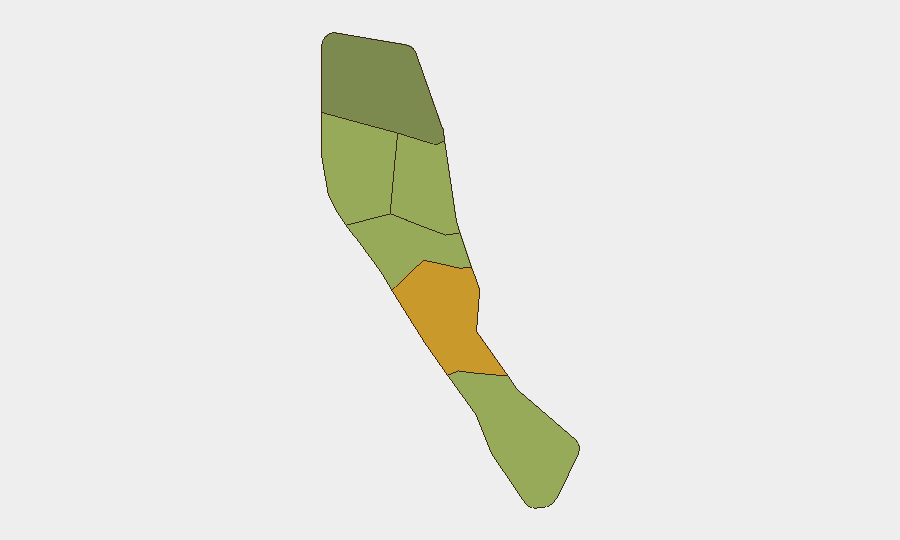
Situation Summary
Vanuatu remains a low-threat operating environment with no verified security incidents, civil unrest, crime spikes, or infrastructure disruptions recorded in the last 24–48 hours. Recent political activity (disapprovals and public statements between government and opposition actors on 16–18 July) has not escalated to demonstrations, violence, or operational risk. The national security posture is stable, and no credible threat indicators suggest imminent change in the coming days.
Key Developments
- National (16–18 July): Open-source security monitoring confirms no verified protests, riots, political violence, or clashes associated with recent political statements and disapprovals between government and opposition figures. Political discourse remains rhetorical and contained.
- National (16–18 July): Targeted surveillance for major crime (armed robbery, homicide, organized crime) reports no time-stamped incidents across Vanuatu in the current 48-hour window. Public safety threat level remains low.
- National (16–18 July): Port, airport, and utility infrastructure monitoring confirms no closures, disruptions, or travel warnings reported for Vanuatu. Transport and essential services are functioning normally.
- National (16 July): Regional security briefs and multi-source cross-checking confirm no civil-unrest gatherings, strikes, or public assemblies of concern during the preceding 24–48 hours.
- Domestic stability (16–18 July): Political statements issued by the PM, deputy, and ministry figures (Finance, Government, Opposition) have not triggered secondary incidents, violence, or operational friction affecting corporate or diplomatic presence.
Highest-Risk Areas
Shefa Province (risk 72) significantly exceeds other regions and remains the primary sub-national focus; Penama (58) and Sanma (52) form a secondary tier of elevated concern. The concentration of risk in Shefa likely reflects population density, economic activity, and historical incident prevalence in or around Port Vila (the capital). Malampa, Tafea, and Torba carry substantially lower individual risk profiles. Organizations with operations or personnel in Shefa should maintain standard duty-of-care monitoring; no current incident data justifies heightened alert levels, but the ranking warrants continued baseline awareness.
How GeoBit Would Assist
Security teams should employ AOI Monitoring & Early Warning on Shefa Province and secondary zones (Penama, Sanma) to detect early signals of civil unrest, gatherings, or incidents before they mature. Intel Sweep (global event feeds, X/Twitter & Telegram OSINT, multi-language search) combined with Risk & Threat Assessment capabilities will maintain real-time tracking of political rhetoric, crime trends, and infrastructure status. Network & Actor Analysis enables tracking of opposition–government dynamics and key political figures to anticipate flashpoints or escalation triggers.
7-Day Outlook
No indicators suggest material deterioration in security conditions over the next seven days. Political activity may continue, but absent incident data and with no public unrest observed, the likelihood of operational disruption remains low. Routine monitoring should persist, with emphasis on Shefa Province and early-warning triggers (public gatherings, rhetoric escalation, or crime uptick); current baseline posture supports normal business continuity planning.
Highest-Risk Areas — Ranked
| # | State / Region | Risk |
|---|---|---|
| 1 | Shefa Province | 72 |
| 2 | Penama | 58 |
| 3 | Sanma | 52 |
| 4 | Malampa | 48 |
| 5 | Tafea | 45 |
| 6 | Torba | 35 |
Sources
Previous Daily Briefs
A new Vanuatu brief is written every day — each with its own risk map and downloadable CSV. Here's the last week; use the calendar to go further back.
📅 Browse every day by calendar →
Highlighted days have a brief. Tap a day for that day's map & analysis, or “csv” for that day's dataset ($5).
Atlas — our AI intelligence desk — emails them this snapshot personally. Nothing else, no list.