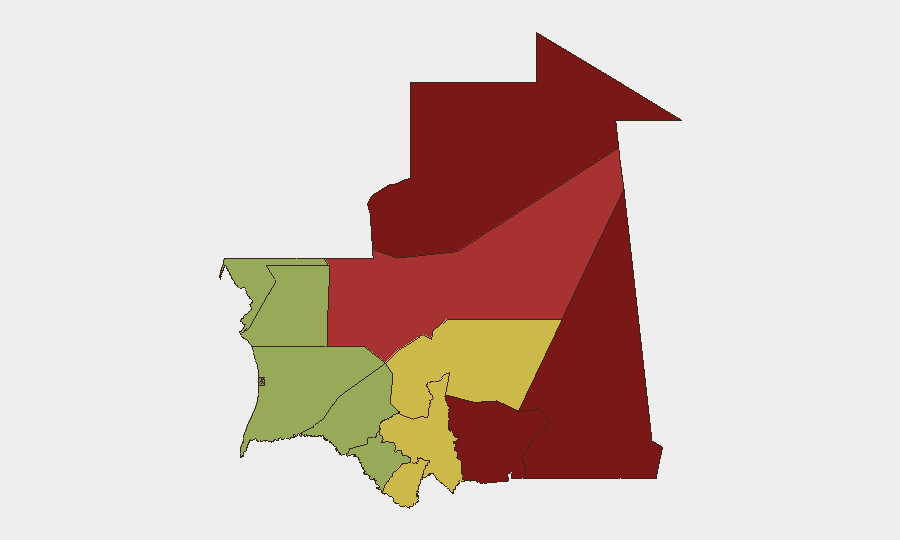
ملخص الوضع
تظل موريتانيا بيئة تهديد منخفضة التكرار (الترتيب #118 عالمياً) مع عدم تسجيل أي حوادث أمنية كبيرة أو أحداث مزعزعة للاستقرار خلال الأيام السبعة الماضية. يتركز ملف المخاطر في البلاد في المناطق الصحراوية الشمالية والمناطق الحدودية الشرقية، حيث يستمر النشاط العسكري عبر الحدود والاتجار بالبشر وتهريب المخدرات كتحديات مزمنة. يظل الوضع الأمني العام للموظفين الدوليين والعمليات التجارية في العاصمة والمناطق الجنوبية مستقراً، غير أن اليقظة مبررة في المناطق الطرفية عالية الخطورة.
التطورات الرئيسية
- نواكشوط، 19 أكتوبر 2026: عقدت السلطات البلدية اجتماعاً لمناقشة تحسينات الصحة العامة والإدارة الحضرية. لم تُبلّغ عن أي حوادث أمنية أو اضطرابات مدنية أو تعطيلات في التنقل فيما يتعلق بهذا الاجتماع.
- المستوى الوطني، 15 أكتوبر 2026: بدأت سلطات الطيران المدني دورات تدريبية لـ 64 موظفاً من موظفي أمن المطار. لم يتم الإفصاح عن نطاق الدورة أو مدتها أو موقع المطار المحدد في التقارير المتاحة؛ لم يتم تحديد أي محفز للحادث.
- ميناء نواكشوط، 8 أكتوبر 2026: اعترضت الشرطة الموريتانية ثلاث مركبات ومصادرة ما يقرب من 162,000 قرص إكستاسي، مما أسفر عن اعتقال ثلاث جنسيات أجنبية. يمثل هذا نشاطاً روتينياً لمصادرة المخدرات متسقاً مع عمليات أمن الميناء الجارية.
لم يتمكن من التحقق بشكل مستقل من أي أحداث أمنية إضافية ضمن نافذة الإبلاغ 14–20 أكتوبر 2026. تم استبعاد التطورات الإقليمية في مالي والسنغال وموريشيوس من هذا الموجز.
المناطق الأعلى خطورة
تيريس الزمور (درجة المخاطرة 95) ومناطق الحوض الشرقية (الحوض الشرقي: 85؛ الحوض الغربي: 80) تظل المحركات الأساسية لملف المخاطر دون الوطني في موريتانيا. تخدم هذه الأراضي الحدودية الصحراوية النائية كممرات عبور لخلايا عسكرية منتسبة إلى الشبكات الجهادية الإقليمية وشبكات الاتجار بالبشر وتهريب الأسلحة. يمثل أدرار (78) وتاغانت (68) مخاطر ثانوية من خلال ديناميكيات حدودية مماثلة. في المقابل، تحافظ منطقة العاصمة (نواكشوط، في داخلة نواذيبو والترارزة) والمناطق الزراعية الجنوبية على مخاطر أقل بكثير وتدعم غالبية الأعمال التجارية الدولية والوجود الأجنبي.
كيف ستساعد GeoBit
يجب على فريق الأمن ذو التواجد في موريتانيا أن يستخدم مراقبة المنطقة الجغرافية والإنذار المبكر في مناطق الحدود الشمالية والشرقية عالية الخطورة لكشف النشاط العسكري الناشئ أو أنماط الاتجار أو حركة المجموعات المسلحة قبل أن تؤثر على الموظفين أو سلاسل الإمداد. تمكّن قدرات المسح الاستخباري ووسائط التواصل الاجتماعي X/تويتر المسح المستمر منخفض التكلفة للتهديدات الناشئة أو الاضطرابات المدنية أو التغييرات في أمن الميناء والطيران التي قد لا تظهر في القنوات الرسمية. يدعم تحليل التوجيه والشبكات تحديد ممرات السفر البديلة الآمنة للموظفين الذين ينتقلون بين نواكشوط والمناطق التشغيلية الجنوبية، خاصة خلال فترات النشاط المتزايد في المناطق الطرفية.
توقعات الأيام السبعة
لا يُتوقع حدوث تصعيد كبير في البيئة الأمنية لموريتانيا على مدار الأسبوع المقبل. سيستمر نشاط مصادرة المخدرات والاتجار الروتيني على الأرجح في الموانئ الرئيسية والمعابر الحدودية. يجب على المنظمات التي لديها موظفون أو أصول في مناطق الحدود الشمالية والشرقية الحفاظ على الأوضاع الوقائية الحالية وبروتوكولات الوعي الموقفي، خاصة نظراً للتهديد العسكري المزمن (وإن كان متقطعاً) عبر الحدود القادم من مالي ومنطقة الساحل.
المناطق الأعلى خطورة — مرتبة
| # | الولاية / المنطقة | الخطر |
|---|---|---|
| 1 | Tiris Zemmour | 95 |
| 2 | Hodh Ech Chargui | 85 |
| 3 | Hodh El Gharbi | 80 |
| 4 | Adrar | 78 |
| 5 | Tagant | 68 |
| 6 | Guidimaka | 65 |
| 7 | Assaba | 62 |
| 8 | Gorgol | 58 |
| 9 | Trarza | 55 |
| 10 | Inchiri | 52 |
| 11 | Brakna | 48 |
| 12 | Dakhlet Nouadhibou | 45 |
المصادر
الموجزات الأسبوعية السابقة
يُنشر موجز جديد عن Mauritania كل يوم اثنين، يغطي الأسبوع — لكل منها خريطة مخاطر وملف CSV قابل للتنزيل. استخدم التقويم للرجوع أبعد.
- October 13, 2026
- October 6, 2026
- September 29, 2026
- September 22, 2026
- September 15, 2026
- September 8, 2026
- September 2, 2026
📅 Browse past briefs by calendar →
Highlighted days have a brief. Tap a day for that day's map & analysis, or “csv” for that day's dataset ($5).
Atlas — our AI intelligence desk — emails them this snapshot personally. Nothing else, no list.