Situation Summary
Germany remains a composite threat level #146 globally (score 6/200) with contained but escalating security concerns across three domains: violent extremism, foreign intelligence operations, and infrastructure sabotage risk. The past 48 hours have seen a mass shooting incident in Lower Saxony and the release of an official threat assessment emphasizing Russia as the primary external threat, alongside Iran-linked espionage targeting diaspora and opposition groups. Political polarization and right-wing extremist activity remain the leading domestic violent drivers, while foreign-power hybrid threats (cyber, sabotage, disinformation) are assessed as rising.
Key Developments
- Stade, Lower Saxony – mass shooting at youth facility (June 30, 2026). A gunman opened fire at a youth welfare facility ~45 km west of Hamburg, killing at least 5–6 people and injuring others. The suspect was arrested; the facility remains an active crime scene and investigation is ongoing. This is the most significant confirmed violent incident in the last 48 hours.
- Berlin – BfV domestic intelligence annual threat report released (June 30, 2026). Germany's federal intelligence agency identified Russia as the "greatest external threat," warning of mounting espionage, sabotage, and disinformation campaigns targeting infrastructure, politics, and diaspora communities. Iran and China were named as major espionage actors.
- Berlin – Iranian intelligence targeting of opposition and Jewish groups confirmed (June 30, 2026). The BfV report explicitly highlighted ongoing Iranian surveillance and intimidation of pro-Israeli/pro‑Jewish organizations, opposition figures, and the Iranian diaspora in Germany, with assessment extending into 2026.
- Germany-wide – right-wing extremism and political violence alert (June 30, 2026). Security officials warned that far-right violent extremists remain the largest domestic violent threat, with rising incidents from both far-right and far-left actors linked to political polarization.
- Germany-wide – infrastructure sabotage risk from hostile foreign powers (June 30, 2026). Official assessment warns of mounting threat of espionage-linked sabotage against German infrastructure by Russia and other state actors, including use of "low-level" or "disposable" agents. No specific incident confirmed in the last 48 hours.
- National discourse – Russia–Germany conflict framing (June 30, 2026). Media and social commentary reference ongoing Russian cyber and infrastructure activities, amplifying public and political sensitivity to infrastructure security and disinformation risks.
Highest-Risk Areas
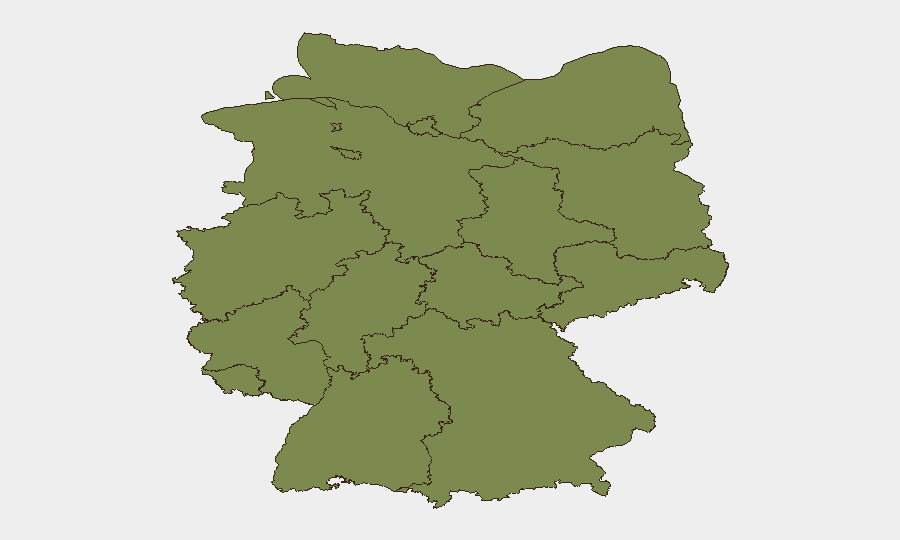
Thuringia (31.8), Hamburg (21.7), and Berlin (17.2) drive the majority of tracked security risk. Thuringia's elevated score reflects persistent right-wing extremist activity and political polarization; Hamburg and Berlin show elevated scores linked to both extremist activity and foreign intelligence operations (espionage, diaspora targeting, diplomatic friction). Bavaria (11.6) and Lower Saxony (9.1) follow; the Stade incident in Lower Saxony underscores the relevance of that ranking. Southern and eastern states (Baden-Württemberg, Rhineland-Palatinate, Brandenburg) remain substantially lower-risk.
How GeoBit Would Assist
Security teams should deploy AOI Monitoring & Early Warning on Thuringia, Hamburg, and Berlin to track extremist mobilization and foreign intelligence activity in near-real time. Intel Sweep and OSINT fusion across X/Telegram and multi-language media will corroborate emerging threats around infrastructure sabotage, diaspora targeting, and political violence. Network & Actor Analysis will map right-wing and left-wing extremist cells and foreign-power intelligence networks operating in high-risk regions.
7-Day Outlook
The security environment is likely to remain tense through early July. Investigations into the Stade shooting and political response may trigger temporary localized unrest in Lower Saxony and Hamburg; media focus on the BfV report will sustain public concern over infrastructure and espionage risk. No immediate large-scale civil unrest or infrastructure failure is forecast, but right-wing mobilization around polarized issues and foreign-power hybrid activities should be monitored continuously.
Highest-Risk Areas — Ranked
| # | State / Region | Risk |
|---|---|---|
| 1 | Thuringia | 31.8 |
| 2 | Hamburg | 21.7 |
| 3 | Berlin | 17.2 |
| 4 | Bavaria | 11.6 |
| 5 | Lower Saxony | 9.1 |
| 6 | Saxony | 6.6 |
| 7 | Saxony-Anhalt | 6.2 |
| 8 | Schleswig-Holstein | 5.8 |
| 9 | Mecklenburg-Vorpommern | 3.8 |
| 10 | Brandenburg | 1.9 |
| 11 | Rhineland-Palatinate | 1.8 |
| 12 | Baden-Württemberg | 1.8 |
Sources
Previous Daily Briefs
A new Germany brief is written every day — each with its own risk map and downloadable CSV. Here's the last week; use the calendar to go further back.
📅 Browse every day by calendar →
Highlighted days have a brief. Tap a day for that day's map & analysis, or “csv” for that day's dataset ($5).