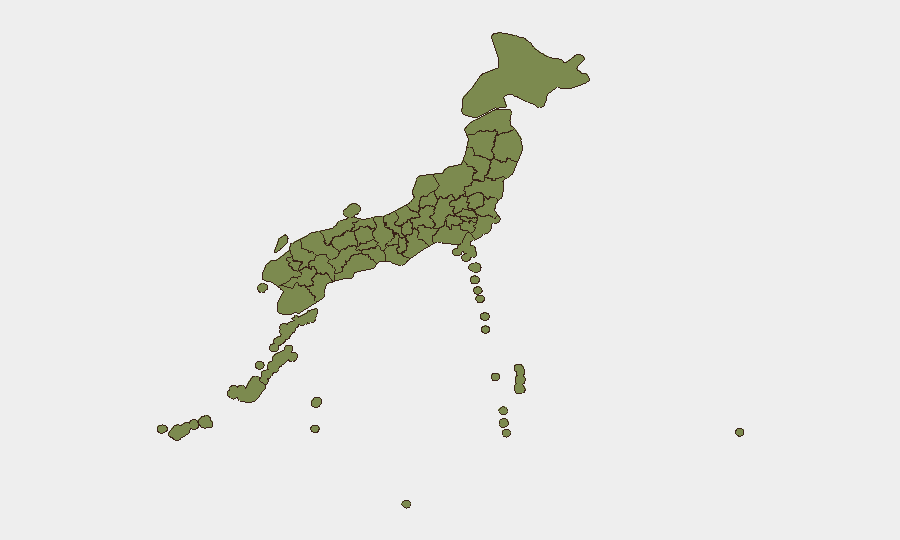
Situation Summary
Japan remains a low-threat environment globally (ranked #158) with a composite threat score of 5 and 215 tracked events, but elevated cyber-risk and maritime tension are creating operational friction for critical infrastructure and supply chains. Nagano Prefecture registers disproportionately high risk (31.7), while Tokyo (16.8) and select other prefectures show localized vulnerability. The security picture reflects distributed cyber incidents affecting logistics and food supply, diplomatic friction over Chinese naval operations in Japan's EEZ, and isolated domestic political intimidation rather than systemic instability.
Key Developments
- Okinotori Island, Japan EEZ (July 19–21, 2026): Chinese Luyang III-class destroyer conducted live-fire naval drill on July 19 in Japan's southern Pacific exclusive economic zone in joint exercises with Russian units. Japan lodged formal diplomatic protest on July 21, citing shipping-safety risks and raising regional escalation concerns.
- Kitakyushu, Fukuoka Prefecture (July 21, 2026): Police arrested a 64-year-old man for making threatening phone calls to the office of LDP prefectural assembly chairman Kurauchi Isao, including an arson threat. Incident classified as intimidation and business obstruction; localized but underscores elevated political tension.
- Nationwide—Nichirei cyberattack ongoing (detected July 13, recovery July 17–21, 2026): Cyberattack on Nichirei Corporation's logistics and frozen-food systems continues to disrupt refrigerated warehouse operations and supply chains nationwide, including KFC Japan. Recovery proceeding gradually; product shortages and temporary store closures reported as of July 21.
- Elevated national cyber-risk environment (FY2025 baseline, ongoing July 2026): Japanese authorities recorded over 19,000 personal data breaches in FY2025; recent incidents include major KDDI compromise. Current reporting underscores sustained threat to corporate infrastructure and traveler-dependent services.
Highest-Risk Areas
Nagano Prefecture's risk score (31.7) significantly exceeds all other regions and warrants focused monitoring; specific drivers are not disclosed in current GEOBIT tracking but suggest localized infrastructure, civil unrest, or organized activity. Tokyo (16.8) reflects capital-city exposure to political, cyber, and logistical risk, while Hokkaido (5.9), Akita (4.9), and Aichi (3.5) show lower but measurable secondary risk. The sharp drop-off after Nagano indicates that Japan's security burden is concentrated in specific prefectures rather than distributed nationally.
How GeoBit Would Assist
Security teams would deploy AOI Monitoring & Early Warning on Nagano Prefecture, Tokyo, and surrounding critical infrastructure (ports, logistics hubs, telecommunications nodes) to detect emerging civil unrest, cyber staging, or supply-chain disruption in real time. Network & Actor Analysis would track Chinese and Russian naval activity patterns in the Japan EEZ and correlate with diplomatic messaging to anticipate further incursions or exercises. Cyber-risk and infrastructure monitoring via Intelligence & OSINT (cross-checking corporate breach reporting, Shodan asset exposure, and threat-actor chatter) would provide duty-of-care teams early notice of attacks on food, logistics, and telecommunications systems affecting personnel and operations.
7-Day Outlook
Maritime tensions over Okinotori Island and the broader Sino-Japanese relationship are likely to remain elevated; further Chinese naval drills or Russian coordination should be expected within 7–14 days. Cyber incidents targeting critical supply chains (logistics, food, energy) will persist; organizations should assume sustained targeting and pre-position redundancy. Domestic political intimidation may spike around prefectural and local-assembly activities; security at political offices and transport hubs warrants heightened awareness.
Highest-Risk Areas — Ranked
| # | State / Region | Risk |
|---|---|---|
| 1 | Nagano Prefecture | 31.7 |
| 2 | Tokyo | 16.8 |
| 3 | Hokkaido Prefecture | 5.9 |
| 4 | Akita Prefecture | 4.9 |
| 5 | Aichi Prefecture | 3.5 |
| 6 | Fukuoka Prefecture | 2.5 |
| 7 | Kyoto Prefecture | 2.5 |
| 8 | Tochigi Prefecture | 2.5 |
| 9 | Iwate Prefecture | 2.2 |
| 10 | Hiroshima Prefecture | 1.9 |
| 11 | Okinawa Prefecture | 1.7 |
| 12 | Nagasaki Prefecture | 1.7 |
Sources
Previous Daily Briefs
A new Japan brief is written every day — each with its own risk map and downloadable CSV. Here's the last week; use the calendar to go further back.
📅 Browse every day by calendar →
Highlighted days have a brief. Tap a day for that day's map & analysis, or “csv” for that day's dataset ($5).
Atlas — our AI intelligence desk — emails them this snapshot personally. Nothing else, no list.