Situation Summary
Kuwait faces an elevated and volatile security environment following Iranian missile and drone strikes on July 31, 2026, which targeted military and civilian infrastructure across the country. Air-defense systems intercepted the majority of incoming weapons, but confirmed strikes hit a Chinese-operated facility in North Kuwait (one fatality) and caused material damage to government and civilian installations on Bubiyan Island. The immediate threat from the attack wave has subsided, but regional tensions remain acute, and Jahra Governorate (North Kuwait) continues to register the highest composite risk score, reflecting both recent targeting and ongoing proximity to cross-border threat vectors.
Key Developments
- North Kuwait / Chinese facility – 2026-07-31: Kuwait's defense ministry confirmed an Iranian strike struck a building operated by a Chinese company, resulting in one confirmed fatality and significant structural damage.
- Bubiyan Island – 2026-07-31: Hostile drones were intercepted over Kuwaiti airspace; debris from interceptions caused material damage to a government installation and civilian machinery on Bubiyan Island, with no official casualty reports.
- Airspace closure & air-defense activation – 2026-07-31: Kuwait temporarily closed national airspace and activated air-defense networks, intercepting multiple missiles and drones; normal civil aviation operations resumed after the threat subsided.
- Ahmad Al-Jaber Air Base – 2026-07-31: Iran claimed to have targeted U.S. military assets at this facility; independent confirmation of damage or casualties remains unavailable in verified reporting.
- Critical infrastructure strike – 2026-07-31 context: Regional reporting indicates Iranian attacks struck power and water plants; specific damage assessments for civilian utilities have not been independently confirmed.
- Domestic security incidents – 2026-08-02: Event signals indicate small-arms combat incidents within Kuwait territory (Kuwait vs. Kuwaiti, Armed Forces vs. Kuwait) and domestic threats to government authority, suggesting possible spillover instability or armed opposition.
Highest-Risk Areas
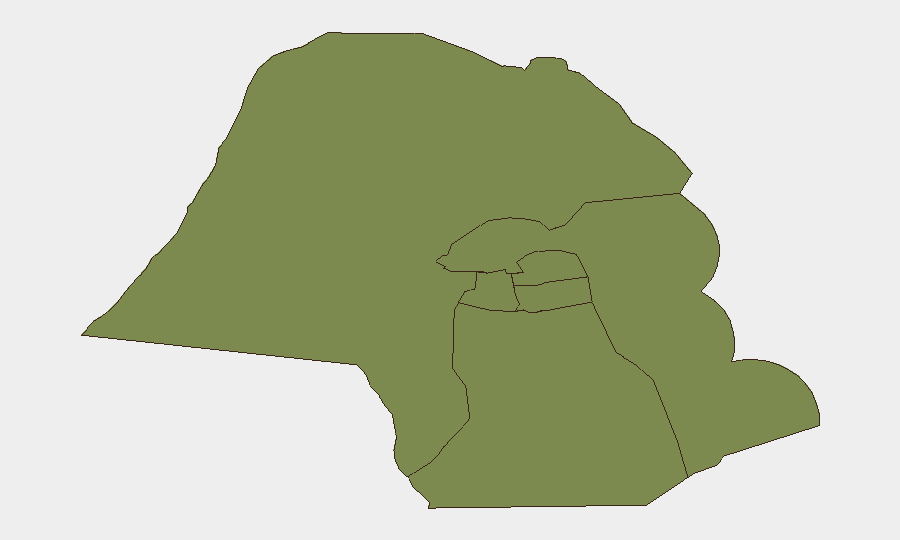
Jahra Governorate (North Kuwait) dominates the threat ranking at 31.3, reflecting its geographic proximity to the Iranian border, confirmed targeting in the July 31 strike wave, and ongoing military and critical-infrastructure concentration in the region. All other governorates cluster at 1.3, indicating that regional threat concentration is sharply skewed toward the north. Ahmadi Governorate, which hosts significant oil and petrochemical infrastructure, warrants monitoring despite its lower current score, given the strategic value of its assets and potential for secondary targeting. Corporate and diplomatic presence in the Capital Governorate remains a secondary consideration; protection of personnel and assets in or transiting Jahra should be prioritized.
How GeoBit Would Assist
Intel Sweep and global event feeds enable continuous monitoring of cross-border Iranian and regional actor statements and military signaling, providing early warning of escalation intent. AOI Monitoring & Early Warning on North Kuwait, airbases, and critical infrastructure sites delivers persistent surveillance with alerting for renewed weapons activity, crowd movement, or security-force posture changes. Battle mapping, force structure, and weapons-capability tracking contextualize Iranian and Kuwaiti military dispositions and intercept performance, supporting duty-of-care assessments for operations near military zones.
7-Day Outlook
The immediate ballistic threat appears to have peaked and been degraded by Kuwaiti air defenses, but regional tensions remain unresolved and dependent on broader Iran–U.S. and Iran–Gulf state dynamics. Domestic unrest signals (small-arms incidents, anti-government threats) suggest secondary risk of civil disorder or armed opposition activity; monitoring for protest escalation or armed group mobilization is warranted. A 7-day window of elevated caution is appropriate; significant de-escalation or renewed strikes remain plausible depending on international diplomatic or military developments.
Highest-Risk Areas — Ranked
| # | State / Region | Risk |
|---|---|---|
| 1 | Jahra Governorate | 31.3 |
| 2 | Ahmadi Governorate | 1.3 |
| 3 | Farwaniya Governorate | 1.3 |
| 4 | Hawalli Governorate | 1.3 |
| 5 | Mubarak al-Kabir Governorate | 1.3 |
| 6 | Capital Governorate | 1.3 |
Sources
Previous Daily Briefs
A new Kuwait brief is written every day — each with its own risk map and downloadable CSV. Here's the last week; use the calendar to go further back.
📅 Browse every day by calendar →
Highlighted days have a brief. Tap a day for that day's map & analysis, or “csv” for that day's dataset ($5).
Atlas — our AI intelligence desk — emails them this snapshot personally. Nothing else, no list.