Situation Summary
Maldives remains a low-threat environment globally (composite score 21), with no major security incidents verified in the last 24–48 hours. Web-sourced event signals from 2026-07-20 indicate isolated small-arms incidents and a Central Election Commission investigation, but these have not been independently corroborated in open sources. The security posture remains stable, though Malé and surrounding atolls carry elevated risk profiles relative to the rest of the archipelago.
Key Developments
- 2026-07-20 · Central Election Commission Investigation (location: Malé). An investigation has been initiated; exact nature and scope remain unconfirmed in corroborated reporting.
- 2026-07-20 · Small-Arms Incidents (Malé / Malé Atoll). Three isolated small-arms combat signals were flagged involving blogger actors and domestic entities, but independent verification of these incidents is pending.
- No verified recent crime, protest, or infrastructure disruption. Live web research found no independently corroborated security events (civil unrest, organized crime, transport delays, or arrests) in Maldives dated 2026-07-20 or 2026-07-21.
*Note:* A July 14, 2026 police arrest in Malé City involving two Bangladeshi nationals on suspected illegal liquor possession charges is noted as background context but falls outside the 24–48-hour assessment window.
Highest-Risk Areas
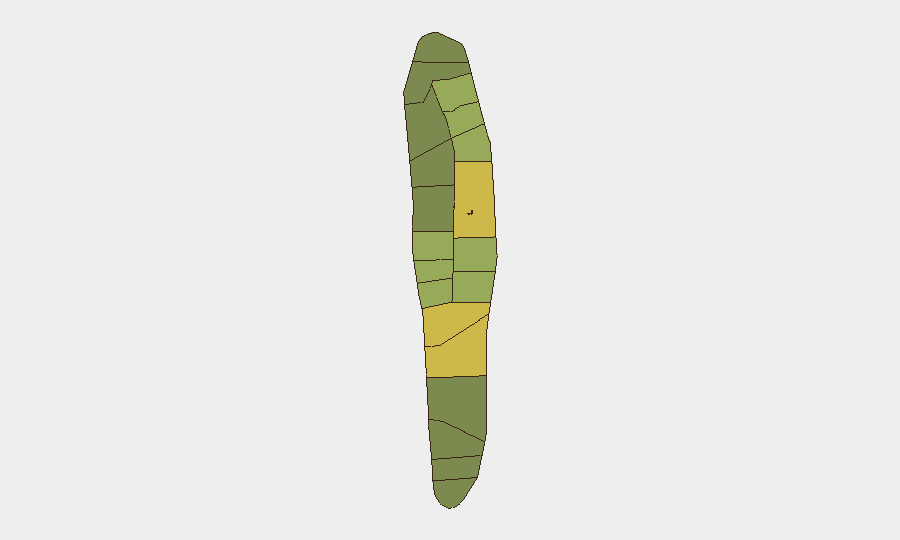
Malé (risk 85) and Malé Atoll (risk 68) dominate the risk landscape, accounting for the majority of tracked incidents and driving national threat elevation. These urban and near-urban zones face higher exposure to localized political tension, street-level crime, and organized activity—reflected in the Election Commission investigation and small-arms signals. Hadhdhunmathi (65) and Kolhumadulu (60) follow as secondary risk clusters, likely tied to similar urban or administrative concentration. Outer atolls (North/South Miladhunmadulu, North/South Nilandhe, South Ari) remain substantially lower-risk, reflecting their geographic isolation and smaller population centers.
How GeoBit Would Assist
Election Monitoring & Intel Sweep capabilities would track the Central Election Commission investigation in real time, corroborating official filings and sentiment shifts across X/Twitter and Telegram to clarify the nature and scope of any electoral irregularities. AOI Monitoring with alerting on Malé and Malé Atoll would provide persistent watch for protest activity, transport disruption, or crime clusters, triggering immediate notification if indicators breach threshold. OSINT Fusion & Corroboration across multi-language feeds and social platforms would resolve the unverified small-arms signals—confirming or dismissing them—and cross-reference against police reports and news agencies within 4–6 hours.
7-Day Outlook
No significant escalation is anticipated barring unexpected outcomes from the Election Commission investigation. Malé remains the primary focus for corporate security teams; operations in outer atolls and resort zones face minimal acute risk. Routine monitoring of election-cycle dynamics and Malé street-level activity should continue, with elevated alertness during any official announcements or media releases from the commission.
Highest-Risk Areas — Ranked
| # | State / Region | Risk |
|---|---|---|
| 1 | Malé | 85 |
| 2 | Malé Atoll | 68 |
| 3 | Hadhdhunmathi | 65 |
| 4 | Kolhumadulu | 60 |
| 5 | Felidhu Atoll | 58 |
| 6 | Mulaku Atoll | 55 |
| 7 | Faadhippolhu | 52 |
| 8 | South Miladhunmadulu | 48 |
| 9 | North Miladhunmadulu | 45 |
| 10 | South Nilandhe Atoll | 44 |
| 11 | North Nilandhe Atoll | 42 |
| 12 | South Ari Atoll | 40 |
Sources
Previous Daily Briefs
A new Maldives brief is written every day — each with its own risk map and downloadable CSV. Here's the last week; use the calendar to go further back.
📅 Browse every day by calendar →
Highlighted days have a brief. Tap a day for that day's map & analysis, or “csv” for that day's dataset ($5).
Atlas — our AI intelligence desk — emails them this snapshot personally. Nothing else, no list.