Situation Summary
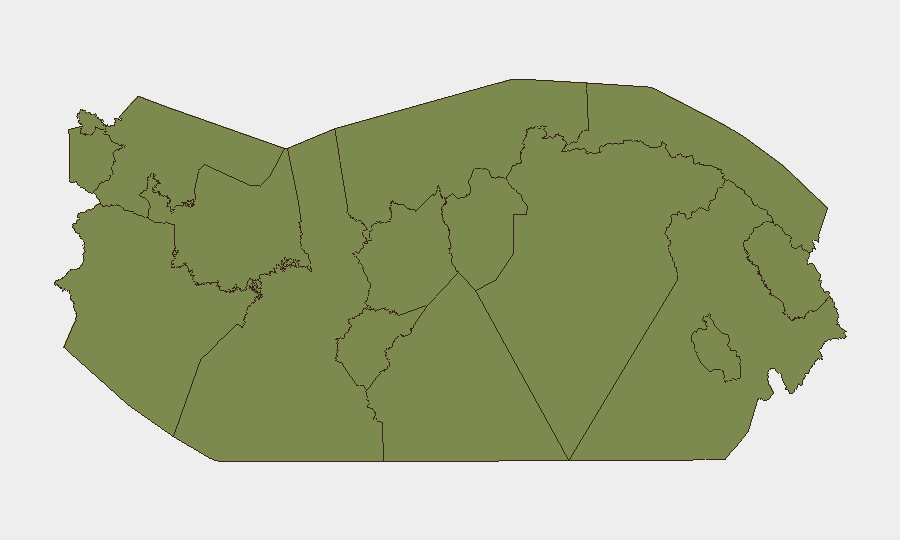
Panama remains a moderate-risk jurisdiction (global rank #90, composite threat score 13) with highly concentrated geographic vulnerability. Security incidents are geographically fragmented rather than systemic; Colón Province accounts for the overwhelming majority of tracked risk (score 31.5 versus 5.5 for the next-highest region). No significant security, civil-unrest, crime, or infrastructure incidents were confirmed in open-source reporting for the last 24–48 hours. The country's trajectory remains stable at the national level, contingent on continued containment of localized gang and trafficking activity in high-risk zones.
Key Developments
No reliably confirmed, multi-source-verified security incidents meeting duty-of-care criteria were identified in Panama within the last 24–48 hours. Recent event signals in the GeoBit platform reflect administrative, regulatory, and diplomatic actions (California sanctions, government/company statements, Caribbean diplomatic tensions) rather than ground-level security or conflict events in Panama itself. Duty-of-care protocol requires exclusion of undated social-media claims and incidents lacking verifiable location and timestamp confirmation.
Highest-Risk Areas
Colón Province dominates risk concentration, with a composite threat score of 31.5—nearly six times higher than Panamá Province (5.5) and more than seven times the next tier. This disparity reflects persistent gang activity, narcotics trafficking, and port-related organized crime linked to the Colón Free Zone and regional transshipment networks. Darién (score 4.2) remains a secondary concern due to its historical role as a transit corridor for migrants and contraband, though its remoteness limits impact on corporate operations. Panamá Province (5.5), which includes Panama City and the Canal Zone, carries moderate risk; incidents here are less frequent but carry higher visibility and potential disruption to regional business. Remaining provinces score uniformly low (1.5–2.9), reflecting adequate state capacity and lower organizational crime presence.
How GeoBit Would Assist
Security and risk teams should deploy AOI Monitoring & Early Warning on Colón Province, Panama City port facilities, and Darién crossing points to detect emerging trafficking, gang escalation, or port disruptions in near-real time. Intel Sweep and multi-language OSINT (X/Twitter, Telegram, local news feeds) combined with entity extraction and sentiment analysis enable rapid identification of government enforcement actions, cartel repositioning, or labor/political tension before they escalate. Routing & Network Analysis supports alternative journey planning for personnel or shipments avoiding high-risk zones, while maritime tracking provides visibility on vessel movements through the Canal and anchorage areas where organized-crime activity is concentrated.
7-Day Outlook
No acute escalation is anticipated over the next seven days based on available intelligence. Colón's persistent baseline risk (gang territorial disputes, smuggling) will likely continue unchanged; security teams should maintain standard heightened protocols for the region. Monitor for any spillover effects from broader Caribbean or Colombian cartel activity, particularly if enforcement operations in neighboring jurisdictions displace trafficking networks into Panama.
Highest-Risk Areas — Ranked
| # | State / Region | Risk |
|---|---|---|
| 1 | Colón | 31.5 |
| 2 | Panamá Province | 5.5 |
| 3 | Darién | 4.2 |
| 4 | Veraguas | 2.9 |
| 5 | Guna Yala | 1.5 |
| 6 | Emberá-Wounaan | 1.5 |
| 7 | Naso Tjër Di | 1.5 |
| 8 | Bocas del Toro | 1.5 |
| 9 | Ngäbe-Buglé | 1.5 |
| 10 | Chiriquí | 1.5 |
| 11 | Coclé | 1.5 |
| 12 | Panamá Oeste | 1.5 |
Sources
Previous Daily Briefs
A new Panama brief is written every day — each with its own risk map and downloadable CSV. Here's the last week; use the calendar to go further back.
📅 Browse every day by calendar →
Highlighted days have a brief. Tap a day for that day's map & analysis, or “csv” for that day's dataset ($5).