Situation Summary
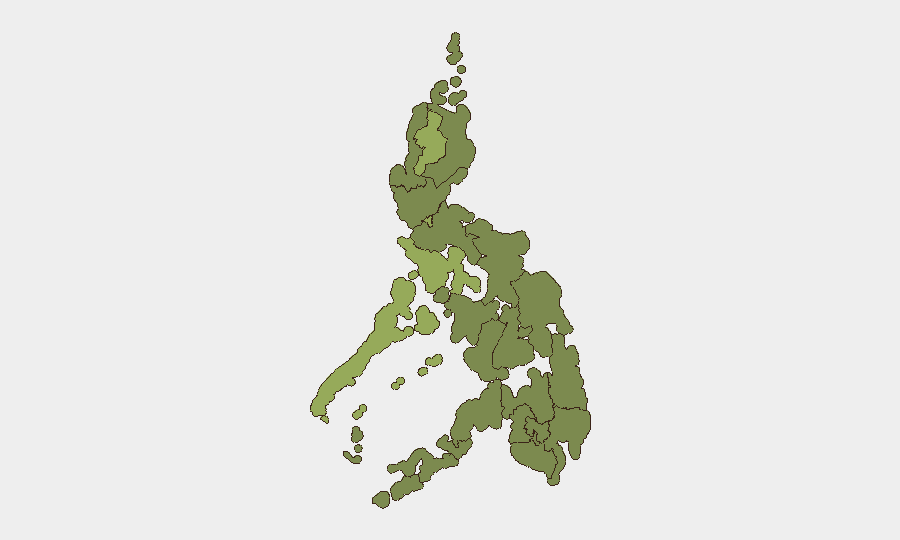
The Philippines faces a composite threat landscape of moderate global rank (50th, score 35) driven by concentrated risk in Metro Manila and select provincial zones, compounded by concurrent geopolitical, cyber, and internal security stressors. Recent developments spanning maritime sovereignty disputes, criminal investigations, seismic disruption, and government cyber intrusions indicate stress across multiple threat vectors. The country's overall security trajectory remains stable but fragmented by geography; Metro Manila and resource-rich provinces (Mimaropa, Cordillera) present elevated operational risk, while cyber and information security gaps represent a widening institutional vulnerability.
Key Developments
- Scarborough Shoal, West Philippine Sea (14–15 June 2026): Philippine authorities disclosed a newly detected 6×6-meter floating platform with antenna inside Scarborough Shoal, lodging a formal diplomatic protest and alleging Chinese surveillance infrastructure. U.S. government confirmed active monitoring of Chinese activity in the area, raising immediate escalation risk in a contested maritime zone critical to regional stability and Philippine economic claims.
- Southern Mindanao (14–15 June 2026): Ongoing strong aftershocks following a recent earthquake continue to displace communities and raise infrastructure safety and landslide risk. Sustained disruption to normal activity and service delivery in affected zones.
- Baler, Aurora Province (14 June 2026): Two Ateneo de Manila University basketball players found dead in a serious criminal incident; President Marcos Jr. ordered swift investigation. High-profile case may amplify social media activity and domestic political attention.
- Philippine Senate & House Websites, Metro Manila (within last 7 days, alert status 14–15 June 2026): Government websites defaced by hackers posting anti-corruption messages; Philippine National Police initiated cyber defense audit. Incident signals organized capability against national-level infrastructure and persistent access risk.
- National Cyber Threat Surge (current as of mid-June 2026): Over 200 cyber incidents reported year-to-date, predominantly data breaches targeting public and private sectors. Local monitoring indicates accelerating tempo and widening threat actor focus on critical systems and corporate data.
Highest-Risk Areas
Metro Manila dominates the sub-national threat profile (composite 54.7), reflecting concentration of government, finance, and international business activity in a high-density urban environment prone to street-level crime, protest activity, and cyber targeting of centralized infrastructure. Mimaropa (45.7) and Cordillera Administrative Region (42.7) present secondary risk driven by resource extraction, NPA activity, and inter-communal tensions. Zamboanga Peninsula and Western Visayas (both 27.7) carry legacy militant and organized-crime risks. The remaining tracked regions cluster at lower but persistent levels, indicating distributed rather than isolated threat distribution across the archipelago.
How GeoBit Would Assist
A corporate security team in Philippines would deploy AOI Monitoring & Early Warning on Metro Manila, key ports, and disputed maritime zones (Scarborough Shoal) to track protest, cyber incident, and geopolitical escalation signals in real time. Intel Sweep and OSINT fusion (X/Twitter, Telegram, web sources, multi-language search) would provide continuous intake on cyber threat actor activity, government statements, and regional instability to support duty-of-care reporting. Network & Actor Analysis combined with cyber-threat search would map local APT and financially motivated actor infrastructure targeting corporate systems, informing defensive posture and incident response readiness.
7-Day Outlook
Scarborough Shoal tensions and Chinese platform installation are likely to sustain diplomatic protest and U.S.–Philippine coordination, raising background escalation risk without imminent military action. Cyber incident tempo is expected to remain elevated, with government and finance sectors continuing as primary targets. Seismic aftershocks in Southern Mindanao should diminish, allowing gradual normalization of transport and commerce in affected provinces.
Highest-Risk Areas — Ranked
| # | State / Region | Risk |
|---|---|---|
| 1 | Metro Manila | 54.7 |
| 2 | Mimaropa | 45.7 |
| 3 | Cordillera Administrative Region | 42.7 |
| 4 | Zamboanga Peninsula | 27.7 |
| 5 | Western Visayas | 27.7 |
| 6 | Bangsamoro | 24.7 |
| 7 | Caraga | 24.7 |
| 8 | Northern Mindanao | 24.7 |
| 9 | Soccsksargen | 24.7 |
| 10 | Davao Region | 24.7 |
| 11 | Ilocos Region | 24.7 |
| 12 | Cagayan Valley | 24.7 |
Sources
Previous Daily Briefs
A new Philippines brief is written every day — each with its own risk map and downloadable CSV. Here's the last week; use the calendar to go further back.
📅 Browse every day by calendar →
Highlighted days have a brief. Tap a day for that day's map & analysis, or “csv” for that day's dataset ($5).