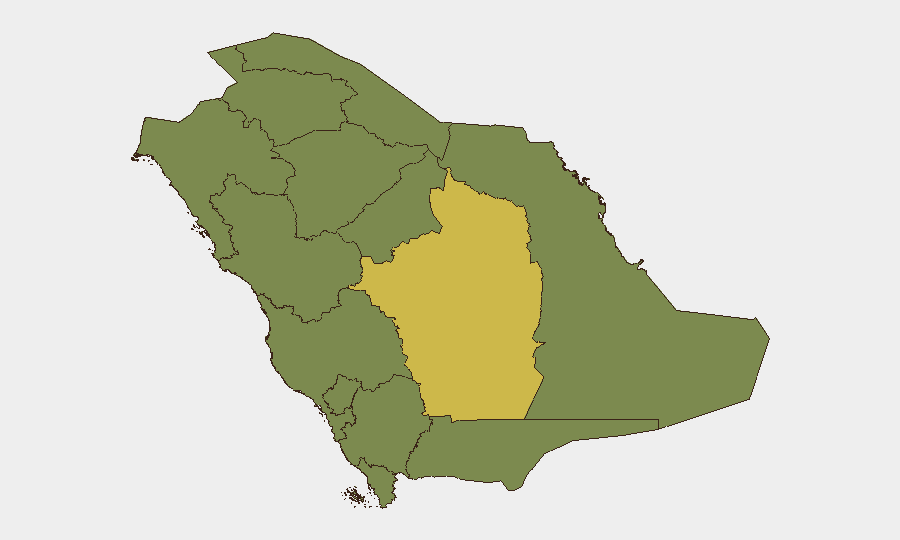
Situation Summary
Saudi Arabia remains at moderate overall risk (rank #44 globally) but faces elevated near-term exposure from regional geopolitical escalation, particularly around the Iran–U.S. conflict and maritime security in the Gulf. Riyadh's recent decision to deny U.S. airspace for military operations, combined with public threat rhetoric from Houthi forces and heightened Iranian cyber activity, signals a shift toward strategic caution and reduced direct military alignment with Washington while maintaining critical infrastructure at risk. No major terror attacks or civil unrest have been confirmed in major population centers in the last 48 hours, but threat signaling and regional military posturing are accelerating.
Key Developments
- Airspace denial / Strait of Hormuz – Saudi Arabia, July 1–3: Saudi Arabia blocked U.S. use of its airspace for "Project Freedom," a maritime escort mission in the Strait of Hormuz, forcing the Trump administration to suspend the operation within 48 hours. Decision reflects Crown Prince Mohammed bin Salman's prioritization of limiting direct Saudi exposure to Iranian retaliation and concerns that participation would make the kingdom a target for escalation.
- Cyber activity surge – Kingdom-wide, July 1–3: Heightened hostile cyber operations attributed to the Iran–Israel conflict have targeted Saudi government, energy, and commercial networks over a three-day window, with activity focused on both service disruption and active intrusion operations. Specific incidents remain partially opaque, but threat-intel feeds indicate sustained targeting of critical digital infrastructure.
- Houthi threat escalation – Yemen/Saudi border, July 1–3: Iran-backed Houthi forces publicly threatened Saudi airports and "vital assets" in response to alleged Saudi airspace violations, framing energy infrastructure and civil aviation as targets should the conflict widen. No new confirmed strikes on Saudi territory as of latest reports, but threat rhetoric is sharpening.
- Saudi-Iran diplomatic stance – Riyadh, July 1–3: Crown Prince Mohammed bin Salman is now pushing for a ceasefire in the Iran–Israel conflict, signaling reduced appetite for military escalation and raising questions about the durability of the U.S.–Saudi security partnership under current administration strategy.
- Regional posture on Bahrain – Sakhir/Riyadh, July 2–3: Saudi Arabia condemned Iran's drone strike on Bahrain but declined to pledge direct defense commitment, despite GCC declarations of "indivisible" member security. Move indicates Riyadh's reluctance to be drawn into kinetic conflict despite geographic proximity to Iranian strikes.
- Aramco helicopter crash – Ras Tanura, Eastern Province, June 28 (reported July 1–3): Saudi Aramco helicopter crashed near the eastern coast with 14 fatalities; authorities found no evidence of hostile action. Incident underscores vulnerability of critical oil infrastructure and ongoing operational risk in high-value industrial zones.
Highest-Risk Areas
Riyadh Region dominates the sub-national ranking (risk 62.1), reflecting the capital's concentration of government, foreign diplomatic presence, and economic targets. The Eastern Province, home to major Aramco facilities and maritime chokepoints, faces compounded risk from Houthi threat statements and cyber targeting. Makkah Region (34.9) and the southern border provinces (Jazan, Najran, 'Asir, Al-Bahah at 32.1 each) remain elevated due to proximity to Yemen and historical cross-border activity, though no active major incidents are confirmed in the south at present.
How GeoBit Would Assist
Security teams should deploy AOI Monitoring & Early Warning against Riyadh, the Eastern Province, and Ras Tanura to detect imminent threats and operational changes. Cyber domain intelligence, combined with OSINT fusion of X, Telegram, and regional media, provides early detection of Houthi, Iranian, and other hostile actor statements and capability signaling. Maritime & Aviation tracking, linked with conflict mapping, enables real-time assessment of chokepoint risk and airspace accessibility for corporate travel and supply-chain routing.
7-Day Outlook
Regional military rhetoric and cyber activity are likely to remain elevated through mid-July absent a major diplomatic breakthrough on the Iran–Israel conflict. Saudi decision-making on U.S. military cooperation will continue to create uncertainty around airspace, basing, and escort operations. Domestic security (airports, energy facilities) should remain under heightened monitoring, particularly in the Eastern Province and near sensitive Aramco infrastructure.
Highest-Risk Areas — Ranked
| # | State / Region | Risk |
|---|---|---|
| 1 | Riyadh Region | 62.1 |
| 2 | Makkah Region | 34.9 |
| 3 | Northern Borders Province | 32.1 |
| 4 | Al-Bahah Province | 32.1 |
| 5 | 'Asir Province | 32.1 |
| 6 | Jazan Province | 32.1 |
| 7 | Najran Region | 32.1 |
| 8 | Tabuk Province | 32.1 |
| 9 | Al Jawf Region | 32.1 |
| 10 | Ḥa'il Province | 32.1 |
| 11 | Medina Province | 32.1 |
| 12 | Al-Qassim Province | 32.1 |
Sources
Previous Daily Briefs
A new Saudi Arabia brief is written every day — each with its own risk map and downloadable CSV. Here's the last week; use the calendar to go further back.
📅 Browse every day by calendar →
Highlighted days have a brief. Tap a day for that day's map & analysis, or “csv” for that day's dataset ($5).