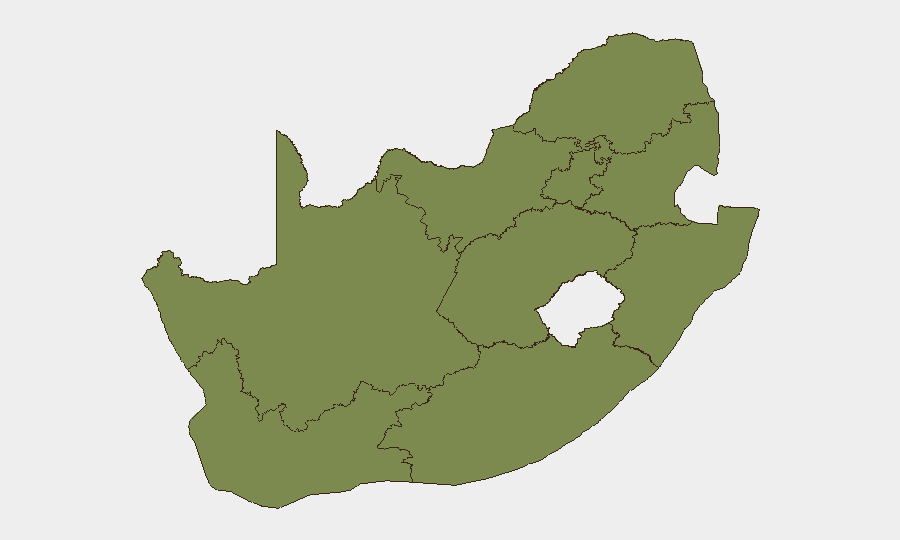
Situation Summary
South Africa faces a convergent threat environment driven by escalating anti-migrant civil unrest, active military deployment in support of law enforcement, and persistent urban crime in high-risk provinces. Over 900 arrests have been recorded in the past week amid widespread protests and looting in major cities, while national authorities maintain elevated alert posture to prevent repeat of the July 2021 mass unrest. The security picture is acute but currently contained; however, sustained xenophobic sentiment, ongoing SANDF presence through 31 July, and friction between enforcement and communities create sustained risk for personnel and assets in urban hubs.
Key Developments
- Johannesburg and Pretoria, Gauteng – 3–4 July 2026: Anti-illegal immigration demonstrations escalated with marches and sporadic violence in the country's economic heartland, operating under SANDF military support to police. Risk of protest-related road blockages, clashes, and opportunistic crime remains elevated near demonstration areas.
- Cape Town and Western Cape – 4 July 2026: Hanover Park recorded a gang-related shooting behind Mentz Court, consistent with chronic armed-violence risk in this high-crime neighbourhood and reflecting continued personal-security threats in the area.
- Nationwide urban centres (Durban, Cape Town, Johannesburg) – 3–4 July 2026: National and provincial authorities deployed heightened intelligence, visible policing, and security checkpoints to prevent large-scale rioting. While major riots have not materialized, this posture has triggered increased spot-checks, road closures, and heavier presence around commercial and logistics nodes.
- Newcastle area, R34, northern KwaZulu-Natal – 4 July 2026: A fatal motor-vehicle collision killed six people, underscoring acute travel-safety risk on this route and likely triggering short-term enforcement activity and disruption in the vicinity.
- Multiple communities, South Africa – ongoing through 4 July 2026: Continued evacuation and return movements of foreign nationals (including Nigerians and Ugandans) reflect sustained xenophobic hostility and reinforce elevated risk for migrants and foreign-national employees across affected urban areas.
- Regulatory enforcement – 4 July 2026: A supermarket closure for non-compliance was widely reported, reflecting ongoing spot-checks and business disruptions that can trigger localised unrest and confrontations between operators, customers, and officials.
Highest-Risk Areas
Gauteng (risk 32.7) and Free State (risk 30.9) are the primary drivers of national risk, with Gauteng's Johannesburg and Pretoria serving as focal points for anti-migrant protests and civil disorder. Eastern Cape (20.3) also registers significant risk. The concentration of unrest in Gauteng reflects both the province's economic scale and population density, as well as the current protest movement's urban character. Western Cape, despite lower overall score (4.6), faces localized acute gang violence in townships such as Hanover Park. KwaZulu-Natal's recent fatal traffic incident signals infrastructure and travel risk alongside historical communal tensions.
How GeoBit Would Assist
Teams should deploy AOI Monitoring & Early Warning on Gauteng's major urban centres and Free State to track emerging protest activity, deployment movements, and road closures in real time. OSINT fusion (X/Twitter, Telegram, YouTube, local broadcast feeds) enables rapid detection of unrest escalation, arrest patterns, and migrant-population movement, while Routing & Network Analysis identifies safe passage alternatives around demonstration areas and checkpoints. Sentiment & temporal analysis across social platforms can provide 24–48-hour leading indicators of planned marches or community flashpoints.
7-Day Outlook
Anti-migrant sentiment is expected to remain elevated through end-July as SANDF deployment continues, with periodic protest activity and police operations likely in Gauteng and other urban hubs. Gang-related violence in Western Cape townships and overall crime risk will persist. Authorities will maintain heightened checkpoint and inspection activity; corporate teams should expect intermittent road disruptions and travel delays in major cities.
Highest-Risk Areas — Ranked
| # | State / Region | Risk |
|---|---|---|
| 1 | Gauteng | 32.7 |
| 2 | Free State | 30.9 |
| 3 | Eastern Cape | 20.3 |
| 4 | KwaZulu-Natal | 7.2 |
| 5 | North West | 5.9 |
| 6 | Western Cape | 4.6 |
| 7 | Mpumalanga | 3.3 |
| 8 | Limpopo | 2.7 |
| 9 | Northern Cape | 2.7 |
Sources
Previous Daily Briefs
A new South Africa brief is written every day — each with its own risk map and downloadable CSV. Here's the last week; use the calendar to go further back.
📅 Browse every day by calendar →
Highlighted days have a brief. Tap a day for that day's map & analysis, or “csv” for that day's dataset ($5).
Atlas — our AI intelligence desk — emails them this snapshot personally. Nothing else, no list.