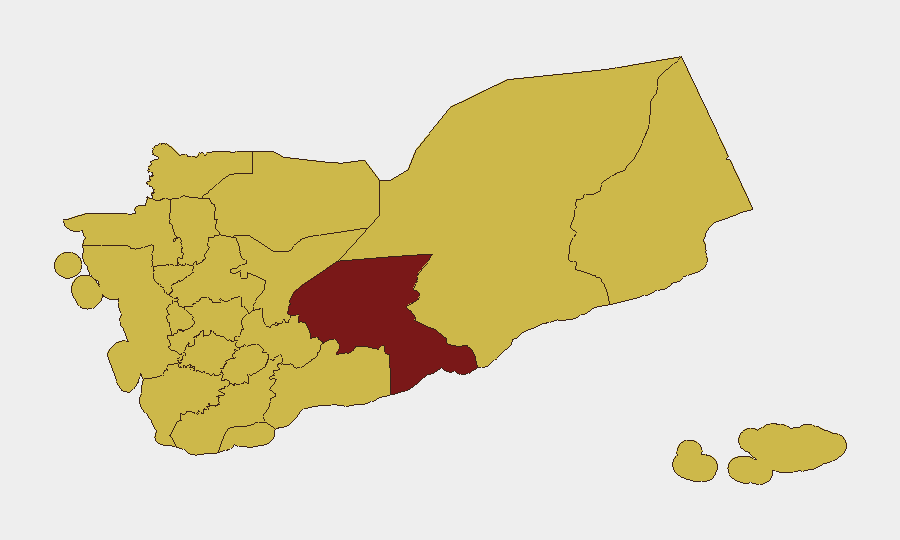
Situation Summary
Yemen remains in a state of managed fragmentation rather than active large-scale conflict. The 2022 truce continues to hold, with no resumption of major Houthi attacks on Red Sea shipping as of 17 June, and UN officials report that "relative calm inside Yemen" persists. However, this stability is brittle: political divisions between the internationally recognized government and UAE-backed southern separatists are intensifying, humanitarian crisis indicators are worsening, and localized civil unrest is spreading. The security environment is characterized by low kinetic intensity but elevated structural fragility and political polarization risk.
Key Developments
- Sana'a, UN Security Council briefing (17 June) – UN Special Envoy Hans Grundberg reported that 73 UN personnel remain arbitrarily detained by the Houthis, many since 2024, constraining humanitarian and UN operations. No new large-scale hostilities were noted in the preceding 48 hours.
- Aden and southern governorates (within days prior to 17 June) – Ongoing protests over electricity shortages in summer heat indicate active civil unrest tied to economic collapse, with localized disruption to public services and potential for crowd clashes.
- UN Security Council, New York (17 June) – Yemen's UN representative called for international sanctions against Aidarus Al-Zubaidi, the STC leader, escalating the political rift between the government and southern separatists and raising instability risk in STC-controlled areas including Aden.
- Red Sea and western coastal areas (status as of 17 June) – Despite prior threats, no new attacks on commercial shipping have occurred; the maritime corridor remains open under de facto Houthi restraint.
- Nationwide humanitarian crisis update (17 June) – The UN relief chief reported that approximately five million people in government-held areas face acute food insecurity, with the 2026 appeal less than 15% funded. This structural crisis elevates risk of mass migration, crime, and civil disorder in the short term.
- Regional de-escalation window (noted 17 June) – UN officials highlighted a current opportunity to revive political negotiations, suggesting relative regional stability is being perceived as a negotiating opportunity; any breakdown could quickly destabilize talks.
Highest-Risk Areas
Shabwah Governorate (99.1 composite risk) stands as the single highest-risk area, likely driven by its role as a contested border region and ungoverned space. The northern cluster—Sa'dah, Hajjah, Al Mahwit, and 'Amran—each score 69.1 due to Houthi control, armed group presence, and limited state authority. Amanat Al Asimah (Sana'a city, 71 risk) reflects political tension and detention of UN staff. Ta'izz and Ibb in the south face similar scores due to multi-factional control and humanitarian collapse. The convergence of high scores across the north and south reflects Yemen's reality as a divided state with no single authority capable of ensuring security or rule of law.
How GeoBit Would Assist
Security teams should deploy AOI Monitoring & Early Warning on Aden, Shabwah, and northern governorates to track protest activity, movement of armed groups, and detention or disappearance incidents. OSINT Fusion (X/Twitter, YouTube, and multi-language web search) would provide real-time signal on political escalation between the government and STC, informing staffing decisions. Humanitarian & NGO data monitoring combined with Conflict & Military force-structure tracking would allow teams to anticipate flashpoints where economic collapse intersects with armed-group activity.
7-Day Outlook
The 2022 truce framework is likely to hold operationally over the next week, with no expectation of renewed large-scale military action. However, political tensions over southern separatism and accelerating humanitarian crisis are probable drivers of localized unrest, protests, and potential friction incidents. Any rupture in UN-Houthi detention negotiations or failure of political talks could shift the trajectory rapidly.
Highest-Risk Areas — Ranked
| # | State / Region | Risk |
|---|---|---|
| 1 | Shabwah Governorate | 99.1 |
| 2 | Amanat Al Asimah | 71 |
| 3 | Sa'dah Governorate | 69.1 |
| 4 | Hajjah Governorate | 69.1 |
| 5 | Al Mahwit Governorate | 69.1 |
| 6 | Al Hudaydah Governorate | 69.1 |
| 7 | 'Amran Governorate | 69.1 |
| 8 | Sana'a Governorate | 69.1 |
| 9 | Raymah Governorate | 69.1 |
| 10 | Dhamar Governorate | 69.1 |
| 11 | Ibb Governorate | 69.1 |
| 12 | Ta'izz Governorate | 69.1 |
Sources
Previous Daily Briefs
A new Yemen brief is written every day — each with its own risk map and downloadable CSV. Here's the last week; use the calendar to go further back.
📅 Browse every day by calendar →
Highlighted days have a brief. Tap a day for that day's map & analysis, or “csv” for that day's dataset ($5).