Situation Summary
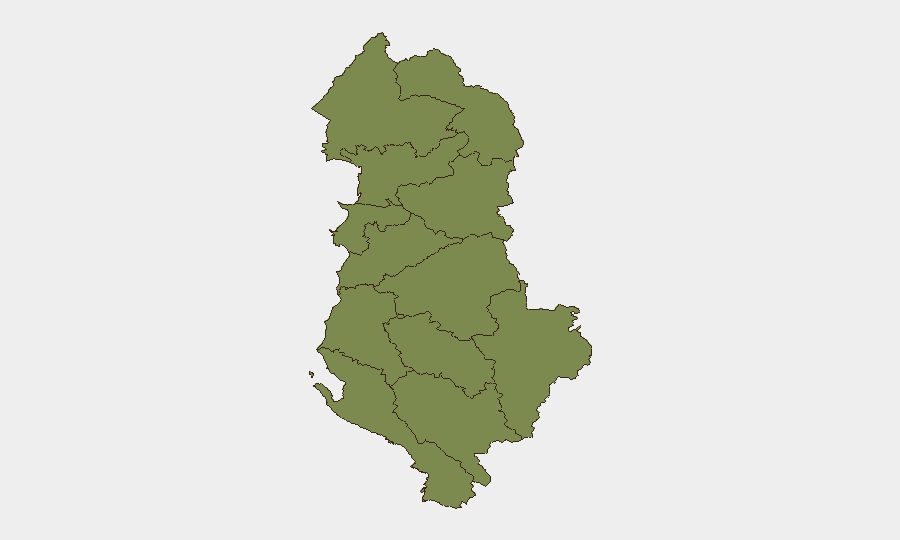
Albania remains a low-to-moderate threat environment globally (rank #80, composite score 15), but is experiencing a significant and sustained civil-unrest spike centred on Tirana since mid-June. The "Flamuruguay Revolution" protests—now in their second week—are principally driven by opposition to a Kushner-linked coastal resort project on Sazan Island and broader anti-corruption sentiment, with demonstrators clashing with police, blocking parliamentary access, and maintaining daily street mobilizations. Risk concentration is heavily skewed: Elbasan County presents a composite risk score of 31.5 (more than 6× the national average), while Tirana County (4.1) and Vlorë County (5) house the active protest centers and remain flashpoints for confrontation between security forces and demonstrators.
Key Developments
- Tirana, Parliament district – 30 June 2026 (evening): Protesters against the Sazan Island resort project clashed with Albanian police outside the national parliament building as MPs convened; demonstrators threw eggs, bottles, and stones; police dispersed the crowd, detaining at least six people, with multiple minor injuries reported. This event triggered overnight escalation.
- Tirana, Police Headquarters – 30 June 2026 (late evening/night): Following parliament clashes, a significant portion of protesters marched to Tirana police headquarters demanding release of detained demonstrators and accusing police of excessive force; crowd remained overnight, sustaining heightened tension.
- Tirana, Central District – 30 June 2026 (night): Thousands of demonstrators gathered in central Tirana chanting "Albania is not for sale" and calling for Prime Minister Edi Rama's resignation over alleged corruption and investment-law irregularities; reports describe this as "Day 11" and "the biggest protests yet," indicating broad geographic participation and sustained mobilization.
- Southern coast / Sazan Island, Vlorë region – 30 June 2026 (daytime): Activists and residents continued on-site demonstrations against resort development, raising environmental and sovereignty concerns; a recently circulated video showing a private security guard forcibly removing an activist at the resort site is cited as a key trigger for surge in protest activity.
- Tirana – 01 July 2026 (reported): Concurrent reporting on U.S. resistance to hosting a future NATO summit in Albania due to defence-spending concerns adds political-instability context, though not directly linked to street incidents. This diplomatic pressure amplifies perceived government isolation and may sustain protest momentum.
- Nationwide coordination – 30 June–01 July 2026 (ongoing): Daily, coordinated demonstrations branded "Flamingo Revolution" (pink symbols) documented across major urban centers, with street blockades and organized marches; social-media and news reports indicate sustained civil-unrest risk and potential for further police–protester confrontations.
Highest-Risk Areas
Elbasan County (risk 31.5) is statistically the highest-risk sub-national area—a score substantially detached from other regions—though current event clustering is concentrated in Tirana County (4.1) and Vlorë County (5), the loci of active protest and resort-development activity. Elbasan's elevated score likely reflects historical crime, organized-crime activity, or trafficking patterns outside the current civil-unrest cycle; Tirana and Vlorë represent *immediate* operational risk for corporate personnel and assets, particularly those near parliament, police facilities, ports, or coastal-development zones. The remaining ten counties (risk 1.5 each) present baseline or low risk.
How GeoBit Would Assist
Corporate security teams in Albania should employ AOI Monitoring & Early Warning on Tirana's parliament and police headquarters, plus coastal development sites, to receive real-time alerts on crowd size, police posture, and incident onset. Multi-language OSINT fusion (Twitter/Telegram, YouTube, local news feeds) combined with sentiment and temporal analysis enables tracking of protest momentum, splinter mobilizations, and flash-point risk. Routing & Network Analysis supports alternative journey planning for staff transiting central Tirana during peak demonstration hours.
7-Day Outlook
Protests are likely to persist through the coming week at current or elevated intensity, with particular risk on weekend gatherings and any parliamentary session. Police tolerance and/or shift in government policy on the resort project will be the principal variables determining escalation or de-escalation; absent significant concessions or project suspension, daily confrontations and detention cycles are probable. Corporate presence in Elbasan warrants separate threat assessment outside the current civil-unrest pattern.
Highest-Risk Areas — Ranked
| # | State / Region | Risk |
|---|---|---|
| 1 | Elbasan County | 31.5 |
| 2 | Vlorë County | 5 |
| 3 | Tirana County | 4.1 |
| 4 | Fier County | 3.3 |
| 5 | Durrës County | 1.5 |
| 6 | Shkodër County | 1.5 |
| 7 | Kukës County | 1.5 |
| 8 | Lezhë County | 1.5 |
| 9 | Dibër County | 1.5 |
| 10 | Berat County | 1.5 |
| 11 | Korçë County | 1.5 |
| 12 | Gjirokastër County | 1.5 |
Sources
Previous Daily Briefs
A new Albania brief is written every day — each with its own risk map and downloadable CSV. Here's the last week; use the calendar to go further back.
📅 Browse every day by calendar →
Highlighted days have a brief. Tap a day for that day's map & analysis, or “csv” for that day's dataset ($5).