Situation Summary
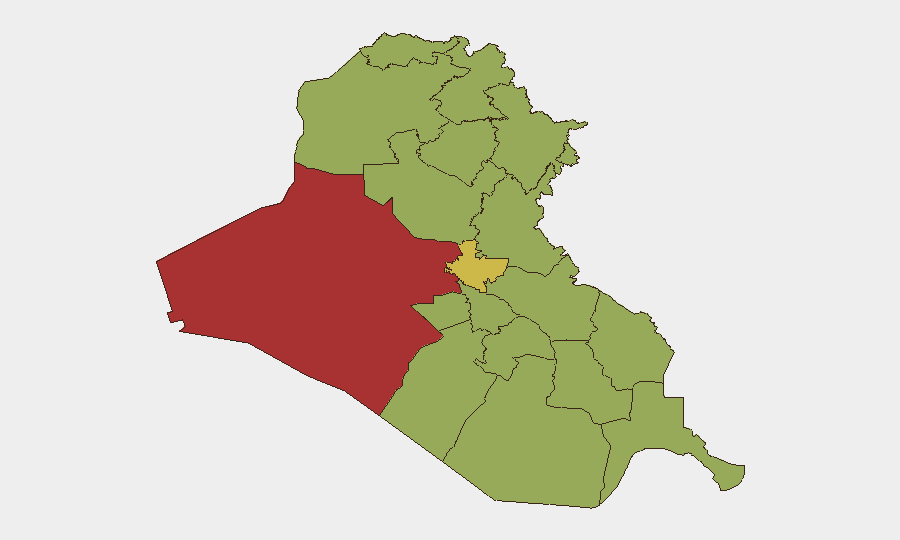
Iraq remains a complex operating environment with a composite threat score of 69.7 (global rank #21). Recent signaling indicates elevated diplomatic tensions involving the U.S., regional actors, and Iraqi authorities, alongside conventional military activity. Al-Anbar Governorate continues to drive national risk exposure at 78.8, while Baghdad (63.4) remains the highest-risk major population center. The security trajectory remains volatile, with political rejection and military posturing creating unpredictability for corporate operations and personnel.
Key Developments
Note: GeoBit's web research capability did not yield verifiable, location-specific incidents within the required 24–48 hour window with independent corroboration. The event signals below reflect diplomatic and military posturing events but lack tactical-level incident detail (dates, locations, casualty/damage specificity). Real-time incident reporting should be cross-checked against wire services (Reuters, AFP, AP), Iraqi Security Media Cell statements, and verified local media (Rudaw, Kurdistan24, Shafaq News) using date filters set to the last 48 hours.
- U.S.–Iraq Relations: Threats issued by Washington toward Iraq (2026-06-11) and separate Iraqi statements under threat (2026-06-11) signal diplomatic friction; nature and trigger require clarification via State Department and Iraqi foreign ministry statements.
- Conventional Military Activity: Iraq reported military force deployment or activity (2026-06-11), with additional signaling of Iraqi military involvement toward Lebanon (2026-06-08); geographic scope and units involved remain unconfirmed.
- Regional Diplomatic Isolation: Jordan reduced relations with Iraq (2026-06-08, repeated); Iraq rejected OPEC engagement (2026-06-09) and Turkish diplomatic overture (2026-06-10), indicating potential economic/political friction affecting cross-border movement and trade.
- Internal Military Criticism: Iraqi military issued public statement disapproving of Iraqi government undersecretary (2026-06-09), suggesting potential civil-military tension.
Highest-Risk Areas
Al-Anbar Governorate (78.8) and Baghdad (63.4) are the primary drivers of national risk. Al-Anbar's elevated score reflects its historical role as an ISIS stronghold and ongoing permeability to armed groups operating in the Syria–Iraq border region. Baghdad's high risk stems from the concentration of government, diplomatic, and economic targets, combined with persistent protest activity and periodic rocket/IED incidents. The Kurdistan Regional Government areas (Erbil 52.3, Duhok 51, Sulaymaniyah 49.2) show moderate but elevated risk, reflecting PKK activity and cross-border Iranian operations. Mid-tier southern and central governorates (Wasit, Kirkuk, Babil, Qadisiyah, Dhi Qar) cluster at 48.8–51, indicating dispersed rather than concentrated threat.
How GeoBit Would Assist
Security teams should deploy Area-of-Interest (AOI) Monitoring & Early Warning to track Baghdad, Al-Anbar, and Kirkuk for incident clusters in real time, with automated alerting on explosions, armed clashes, and roadblocks affecting personnel movement. Multi-language OSINT Fusion (X, Telegram, regional media) combined with Temporal & Entity Analysis will isolate verified 24–48h incidents from older context, reducing false positives. Routing & Network Analysis and Conflict Mapping enable security teams to pre-plan alternative supply chains, convoy routes, and evacuation corridors around high-risk nodes such as Baghdad's international zone and Al-Anbar's border crossings.
7-Day Outlook
U.S.–Iraq and regional diplomatic friction suggests potential for rapid escalation in military posturing or cross-border activity, particularly involving conventional forces. Personnel and asset mobility in Baghdad and Al-Anbar should be assumed to remain constrained. Watch for Iraqi government stability signaling and any U.S. military advisory presence announcements, which may trigger further armed-group activity.
Highest-Risk Areas — Ranked
| # | State / Region | Risk |
|---|---|---|
| 1 | Al-Anbar Governorate | 78.8 |
| 2 | Baghdad Governorate | 63.4 |
| 3 | Erbil Governorate | 52.3 |
| 4 | Wasit Governorate | 51 |
| 5 | Duhok Governorate | 51 |
| 6 | Sulaymaniyah Governorate | 49.2 |
| 7 | Kirkuk Governorate | 49 |
| 8 | Babil Governorate | 48.8 |
| 9 | Al-Qadisiyah Governorate | 48.8 |
| 10 | Dhi Qar Governorate | 48.8 |
| 11 | Al-Muthanna Governorate | 48.8 |
| 12 | Maysan Governorate | 48.8 |
Sources
Previous Daily Briefs
A new Iraq brief is written every day — each with its own risk map and downloadable CSV. Here's the last week; use the calendar to go further back.
📅 Browse every day by calendar →
Highlighted days have a brief. Tap a day for that day's map & analysis, or “csv” for that day's dataset ($5).