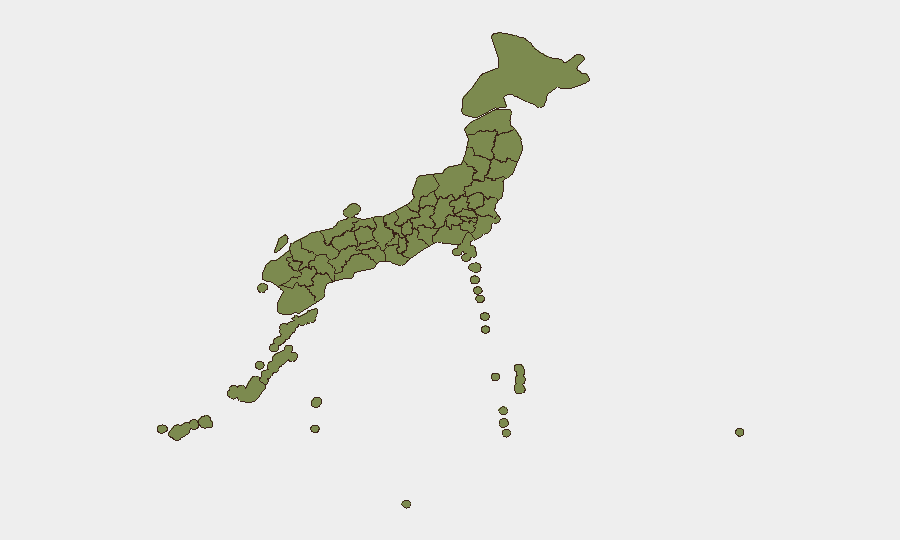
Situation Summary
Japan's composite threat environment remains elevated but localized, with a nationwide score of 25 (rank #null globally) driven primarily by acute risks in Tokyo and secondary concentrations in Nagano and Hokkaido prefectures. The past 48 hours have seen a spike in violent street crime, organized-crime enforcement activity, a public-safety incident at a high-profile commercial venue, and ongoing natural-disaster response, alongside critical infrastructure strain from extreme heat. The trajectory suggests continued near-term volatility in urban centers and potential cascading effects from climate stress on power and transport systems.
Key Developments
- Tochigi Prefecture – Multiple arrests in organized home-invasion murder series (24–48 hours): Police re-arrested a couple and multiple high-school students on charges of attempted robbery and murder linked to a violent home invasion resulting in three serious casualties; a 16-year-old from Kanagawa was also detained, marking the third juvenile suspect. A 48-year-old suspect remains at large and has been issued an international wanted notice, suggesting cross-border flight risk.
- Tokyo (Haneda Airport) – Flight-departure arrest of robbery suspect (early Sunday, ~48 hours ago): A 28-year-old man was arrested attempting to board a Seoul flight in connection with investigations into mobile robbery operations. Authorities linked him to "Tokuryu," a group recruiting young members via social media for property crimes nationwide.
- Tokyo (Ginza) – Substance-spray incident at luxury mall (24–48 hours): Approximately 20 people were hospitalized after an unknown substance was sprayed near a vending machine at a high-end shopping center in central Tokyo. The nature of the substance and motive remain under investigation, with public-safety implications pending.
- Kobe/Kansai region – Yamaguchi-gumi executive arrests for witness intimidation (24–48 hours): Police arrested several yakuza syndicate executives on suspicion of violent witness tampering, including ear mutilation and intimidation of victims from contacting authorities. This enforcement action elevates retaliatory-violence and neighborhood-intimidation risk in affected areas.
- Iwate Prefecture – Large wildfire evacuation (Saturday morning, within 48 hours): Over 3,200 residents were evacuated as firefighters battled wildfires covering approximately 700 hectares in mountainous terrain. Infrastructure, transport, and air-quality impacts remain ongoing; operations continue.
- Nationwide – Extreme heat and power-infrastructure strain (Wednesday–ongoing, within past 72 hours): Day-ahead spot electricity prices hit ¥24.78 per kWh, the highest in over three years, under a sustained heatwave described as "brutally hot." The Japan Meteorological Agency issued heat-stroke alerts across multiple prefectures, with risk of brownouts, travel disruption, and mass-gathering impacts.
Highest-Risk Areas
Tokyo dominates the risk landscape with a composite score of 30.7, reflecting a concentration of violent street crime, organized-crime activity, and high-traffic commercial-zone incidents within the past 48 hours. Nagano Prefecture (17.4) and Hokkaido (6.5) follow at significant distance, driven by secondary event clustering. The remaining prefectures show low individual scores; however, Tochigi (1.6)—home to the active murder-robbery case with multi-prefecture involvement and international flight risk—warrants elevated monitoring despite its current ranking, as the case remains fluid and actors remain at large.
How GeoBit Would Assist
Real-time OSINT fusion and entity extraction across police statements, news, and social-media channels would enable continuous tracking of the Tokuryu recruitment network and yakuza-enforcement fallout. AOI monitoring and early-warning capabilities focused on Tokyo, Kobe, and Tochigi would flag emerging violent-crime clusters, organized-crime retaliation, or public-safety incidents in commercial zones. Environmental and health intelligence (satellite, meteorological data, and infrastructure-stress feeds) would provide predictive visibility on power-grid strain, wildfire progression, and heat-related mass-casualty risk.
7-Day Outlook
Violent street crime and organized-crime enforcement activity are likely to remain elevated in Tokyo and Kansai through the near term, with arrest cycles continuing and retaliatory risk present. Extreme heat is forecast to persist, sustaining power-infrastructure stress and heat-stroke casualty risk nationwide. Wildfire containment in Iwate may extend into the coming week, with air-quality and evacuation impacts probable.
Highest-Risk Areas — Ranked
| # | State / Region | Risk |
|---|---|---|
| 1 | Tokyo | 30.7 |
| 2 | Nagano Prefecture | 17.4 |
| 3 | Hokkaido Prefecture | 6.5 |
| 4 | Iwate Prefecture | 2.1 |
| 5 | Hyogo Prefecture | 1.9 |
| 6 | Fukuoka Prefecture | 1.6 |
| 7 | Kyoto Prefecture | 1.6 |
| 8 | Tochigi Prefecture | 1.6 |
| 9 | Okinawa Prefecture | 1.3 |
| 10 | Wakayama Prefecture | 1.3 |
| 11 | Kagoshima Prefecture | 1 |
| 12 | Saga Prefecture | 1 |
Sources
Previous Daily Briefs
A new Japan brief is written every day — each with its own risk map and downloadable CSV. Here's the last week; use the calendar to go further back.
📅 Browse every day by calendar →
Highlighted days have a brief. Tap a day for that day's map & analysis, or “csv” for that day's dataset ($5).
Atlas — our AI intelligence desk — emails them this snapshot personally. Nothing else, no list.