Situation Summary
Mauritius remains a low-threat jurisdiction (global rank #83, composite score 12) with no confirmed security incidents, civil unrest, or infrastructure disruptions in the last 24–48 hours. Open-source reporting and social monitoring show routine activity only, consistent with the nation's stable baseline. Port Louis—the capital and commercial hub—continues to carry elevated risk relative to other districts, though no acute incident has been documented in the current reporting window.
Key Developments
No credible, verifiable security, crime, civil-unrest, or infrastructure incidents meeting recency and specificity criteria have been identified in Mauritius during the last 24–48 hours. Web research across international news outlets, travel advisories, social media, and infrastructure-security feeds has returned no dated, location-specific events requiring immediate corporate security attention. Internal GeoBit event signals show fragmentary alerts (threats, judicial rejections, public statements) but lack corroboration in open-source or independent reporting; their operational significance remains unclear pending further intelligence fusion.
Highest-Risk Areas
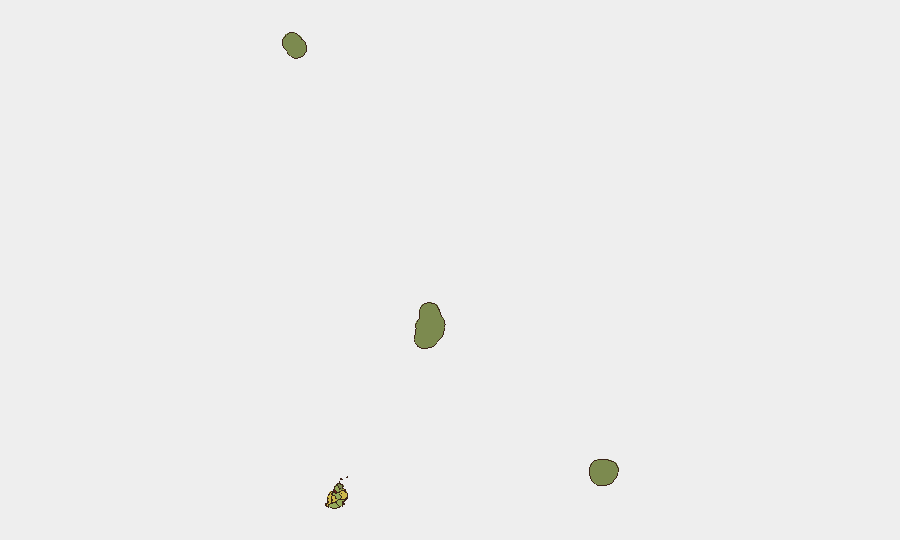
Port Louis (risk score 92) dominates the national threat profile, reflecting its concentration of government, finance, maritime, and commercial activity—and correspondingly higher exposure to petty crime, labor disputes, and political gatherings. Plaines Wilhems (68) and Black River (65) follow as secondary risk nodes; Flacq (62) and Grand Port (58) round out the higher-risk tier, likely reflecting port and logistics infrastructure and associated organized-crime risk. The outer districts—Rodrigues, Saint Brandon, and Agaléga—remain very low risk. For corporate operations, Port Louis presence warrants heightened situational awareness and duty-of-care protocols; personnel and asset movements in Plaines Wilhems and Black River should include standard precautions against street crime and social friction.
How GeoBit Would Assist
GeoBit's AOI Monitoring & Early Warning capability enables continuous watch over Port Louis and other high-risk districts, with alerting on emerging protests, crime clusters, or political activity. Intel Sweep and multi-language OSINT (including X/Twitter, Telegram, and local news feeds) provide real-time detection of incident signals ahead of mainstream reporting. Network & Actor Analysis and entity extraction can correlate fragmentary event signals—such as the current internal alerts on threats and judicial rejections—with known individuals, organizations, and factions, clarifying operational context for duty-of-care decision-making.
7-Day Outlook
No acute escalation is forecast over the next seven days. Mauritius is entering the austral winter and moving away from cyclone season, reducing natural-hazard risk. Routine baseline threats—petty theft, occasional labor unrest, localized traffic disruption—remain the primary concern for corporate teams; no policy, security-force, or political triggers have been identified that would drive a material shift in the current low-risk environment.
Highest-Risk Areas — Ranked
| # | State / Region | Risk |
|---|---|---|
| 1 | Port Louis | 92 |
| 2 | Plaines Wilhems | 68 |
| 3 | Black River | 65 |
| 4 | Flacq | 62 |
| 5 | Grand Port | 58 |
| 6 | Moka | 52 |
| 7 | Savanne | 48 |
| 8 | Pamplemousses | 45 |
| 9 | Rivière du Rempart District | 38 |
| 10 | Rodrigues | 22 |
| 11 | Saint Brandon | 8 |
| 12 | Agaléga | 5 |
Sources
Previous Daily Briefs
A new Mauritius brief is written every day — each with its own risk map and downloadable CSV. Here's the last week; use the calendar to go further back.
📅 Browse every day by calendar →
Highlighted days have a brief. Tap a day for that day's map & analysis, or “csv” for that day's dataset ($5).
Atlas — our AI intelligence desk — emails them this snapshot personally. Nothing else, no list.