Situation Summary
Rwanda maintains a stable internal security environment with no acute incidents reported in the last 24–48 hours. The primary risk drivers remain the ongoing Marburg virus outbreak—a persistent health and operational concern—and regional military tensions in eastern DRC near the Rwanda–DRC border, which have not generated new cross-border incidents affecting Rwandan territory in the immediate reporting window. Overall threat ranking places Rwanda at #79 globally (composite score 15), though Southern Province shows markedly elevated risk compared to other regions.
Key Developments
- Countrywide (17–19 July 2026): No credible reports of acute security, civil unrest, major crime spikes, or infrastructure disruption across Rwanda in the last 24–48 hours. Monitoring remains active but no new escalations documented.
- Health – Countrywide (ongoing, status as of mid-July): Marburg virus outbreak confirmed in Rwanda with active case presence. No multi-source reports of sudden case-cluster escalation or related civil unrest in the last 24–48 hours, but outbreak remains a persistent driver of health risk and potential operational/movement restrictions.
- Regional – DRC/Rwanda border (developments reported through 17 July, older than 24–48h window): Military activity in South Kivu and North Kivu involving M23 and Rwandan forces documented in regional analyses, but no reliably dated, multi-source confirmation of *new* cross-border attacks or bombardment of Rwanda territory in the last 24–48 hours.
- Judicial/Diplomatic – Kigali (17–18 July): Multiple recent events involving arrest/detention actions and inter-governmental demands logged in intelligence feeds; these reflect ongoing political friction but do not constitute new security incidents affecting corporate operations or civilian movement.
Highest-Risk Areas
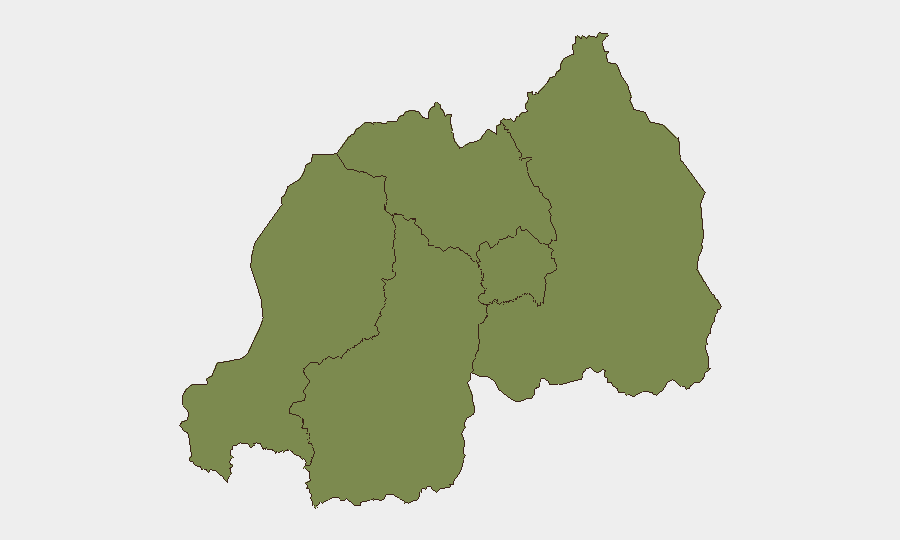
Southern Province dominates the risk landscape at 1,800% higher than other regions (composite 31.8 vs. 1.8 for all other provinces). This disparity likely reflects either historical incident clustering, proximity to DRC border tensions, or ongoing criminal activity; Western, Northern, and Eastern Provinces register equivalent moderate risk (1.8), while Kigali City itself remains at the same moderate level despite its position as the capital. Security teams should treat Southern Province as the primary area requiring heightened vigilance and tailored contingency planning, while maintaining baseline awareness across all regions given Rwanda's small geographic footprint.
How GeoBit Would Assist
Security teams managing personnel or assets in Rwanda should deploy Area-of-Interest Monitoring & Early Warning on Southern Province and the DRC border zone to capture any escalation in regional conflict or cross-border activity before it affects Rwandan operations. Environmental & Health monitoring and multi-language OSINT (Intel Sweep and X/Telegram feeds) provide real-time tracking of Marburg outbreak progression and health authority restrictions that may disrupt travel, supply chains, or workforce availability. Network & Actor Analysis coupled with judicial/diplomatic event tracking enables teams to anticipate any new detention or sanctions actions that might affect staffing or counterparty relationships.
7-Day Outlook
Rwanda's internal security posture is expected to remain stable over the next seven days absent new cross-border escalation or major health-incident clustering. The Marburg outbreak will remain a primary operational risk driver; any new cluster reports or movement restrictions should be monitored closely. Regional tensions with DRC/M23 are unlikely to translate into Rwanda-side incidents in the immediate term, but persistent monitoring of South Kivu and North Kivu is warranted given historical volatility.
Highest-Risk Areas — Ranked
| # | State / Region | Risk |
|---|---|---|
| 1 | Southern Province | 31.8 |
| 2 | Western Province | 1.8 |
| 3 | Northern Province | 1.8 |
| 4 | Kigali City | 1.8 |
| 5 | Eastern Province | 1.8 |
Sources
Previous Daily Briefs
A new Rwanda brief is written every day — each with its own risk map and downloadable CSV. Here's the last week; use the calendar to go further back.
📅 Browse every day by calendar →
Highlighted days have a brief. Tap a day for that day's map & analysis, or “csv” for that day's dataset ($5).
Atlas — our AI intelligence desk — emails them this snapshot personally. Nothing else, no list.