Situation Summary
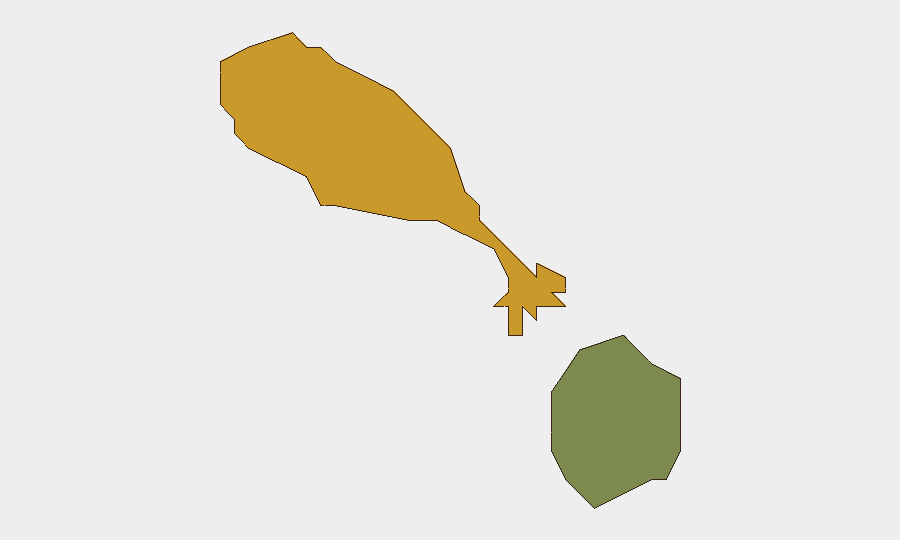
Saint Kitts and Nevis remains in a low-acute security posture as of 6 July 2026. No significant security incidents, civil unrest, political instability, or infrastructure disruptions have been reported in the last 24–48 hours. The overall threat environment is stable; however, Saint Kitts island carries elevated baseline risk (composite score 72) relative to Nevis (28), reflecting persistent underlying vulnerabilities in crime and public safety that warrant continued monitoring by duty-of-care teams.
Key Developments
No confirmed security, conflict, crime, or unrest incidents specific to Saint Kitts and Nevis have been detected in open-source reporting or major social platforms over the last 24–48 hours. The absence of new event reporting represents stability in the immediate term, though this does not eliminate baseline or seasonal risks inherent to the jurisdiction. Regional multilateral meetings (e.g., CARICOM security discussions held in Saint Lucia) include Saint Kitts and Nevis as a participant but do not flag acute developments on either island during this window. Official travel advisories from US, UK, and Canadian authorities remain unchanged; no emergency updates or crisis alerts have been issued for Saint Kitts and Nevis in the last two days. Cyber and infrastructure threat reporting from major global intelligence sources does not cite Saint Kitts and Nevis–specific incidents as of 6 July.
Highest-Risk Areas
Saint Kitts island is the primary risk driver, with a composite score of 72 versus Nevis's 28. This disparity reflects Saint Kitts' larger population, higher incidence of street-level and property crime, and greater concentration of commercial and government infrastructure. Crime patterns—including theft, burglary, and interpersonal violence—remain the predominant source of risk for foreign nationals and corporate operations. Nevis, by contrast, remains materially lower-risk and continues to serve as a secondary hub for tourism and light financial services; its lower ranking reflects both smaller scale and relatively lower reported crime impact on formal sectors.
How GeoBit Would Assist
Corporate security and risk teams operating in Saint Kitts and Nevis should employ GeoBit's AOI Monitoring & Early Warning capability to maintain persistent watch over key facilities and movement corridors on Saint Kitts, with alert thresholds calibrated to local crime and civil-unrest signatures. OSINT Fusion & Corroboration (including X/Twitter, Telegram, and YouTube intelligence, combined with local news feeds) will provide real-time detection of emerging incidents, protest activity, or security alerts that may affect duty-of-care obligations or asset protection. Routing & Network Analysis enables security teams to pre-plan alternative transit routes and identify neighborhood-level risk zones, supporting safer movement of personnel during both routine and contingency operations.
7-Day Outlook
No acute destabilizers are visible in the near-term outlook. Risk is expected to remain stable over the next 7 days unless seasonal weather patterns (Atlantic hurricane season) or unforeseen criminal or political events emerge. Continued baseline monitoring of Saint Kitts is prudent; teams should maintain standard crime-avoidance protocols and monitor official advisories for any changes in the security posture.
Highest-Risk Areas — Ranked
| # | State / Region | Risk |
|---|---|---|
| 1 | Saint Kitts | 72 |
| 2 | Nevis | 28 |
Sources
Previous Daily Briefs
A new Saint Kitts and Nevis brief is written every day — each with its own risk map and downloadable CSV. Here's the last week; use the calendar to go further back.
📅 Browse every day by calendar →
Highlighted days have a brief. Tap a day for that day's map & analysis, or “csv” for that day's dataset ($5).
Atlas — our AI intelligence desk — emails them this snapshot personally. Nothing else, no list.