Situation Summary
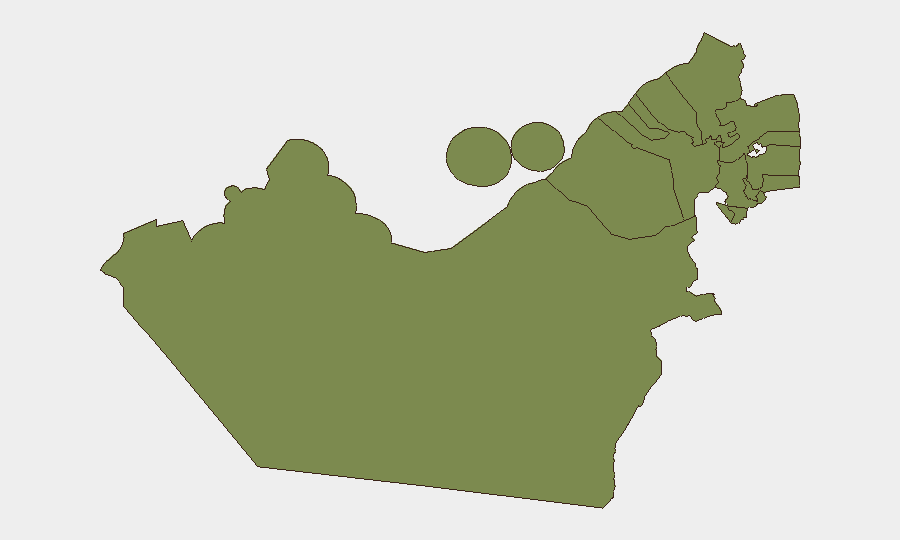
The United Arab Emirates remains one of the globe's lowest-risk jurisdictions, with a composite threat score of 5 and no tracked security incidents in the current reporting cycle. The sub-national risk profile is heavily concentrated in Abu Dhabi Emirate (31.3), which dominates the national risk calculation; Dubai and the northern emirates register minimal scores. The observed event signals reflect diplomatic tensions and policy statements involving UK, US, and Iran actors rather than direct UAE-originating security incidents or civil unrest.
Key Developments
No verified security incidents were identified in the United Arab Emirates during the 24–48 hour reporting window (2026-06-20 to 2026-06-22). Web and open-source research yielded no corroborated reports of crime, civil unrest, terrorism, infrastructure disruption, or travel-affecting events within UAE territory. The event signals in the GeoBit feed reflect third-party diplomatic activity (UK–US policy disagreements, US–Iran rhetoric) and do not indicate localized UAE security degradation. A regulatory development (UAE child-protection policy on social media) was identified but is administrative in nature and not a security incident. Duty-of-care teams operating in the UAE should monitor official channels (UAE Ministry of Interior, Dubai Police, Abu Dhabi Police, NCEMA) for any alerts, but no immediate action triggers are present in available reporting.
Highest-Risk Areas
Abu Dhabi Emirate's disproportionately high risk score (31.3 vs. Dubai's 7.0 and 1.3 for all northern emirates) reflects its status as the seat of federal government, critical energy infrastructure, and diplomatic missions—a profile that attracts state-level threat actors and elevates baseline risk even in the absence of active incidents. Dubai's secondary ranking reflects its role as a major commercial and aviation hub. The northern emirates (Sharjah, Ajman, Ras al-Khaimah, Fujairah, Umm al-Quwain) present negligible operational risk. Personnel and assets in Abu Dhabi and Dubai should maintain standard security posture; no elevation is warranted on current data.
How GeoBit Would Assist
Security teams should employ AOI Monitoring & Early Warning with persistent watch on Abu Dhabi and Dubai to detect any shift in threat signals in real time. Intel Sweep and multi-language OSINT across UAE English-language outlets (The National, Khaleej Times, Gulf News), official government and law-enforcement X/Twitter accounts, and Telegram channels will provide rapid corroboration of any emerging incidents. Network & Actor Analysis can map diplomatic and commercial actor movements if regional tensions require deeper assessment of exposure.
7-Day Outlook
The UAE threat environment is expected to remain stable over the next seven days absent unforeseen regional escalation. Continued monitoring of US–UK–Iran diplomatic signals and their potential impact on UAE foreign policy is prudent; no direct security consequence to personnel or assets is anticipated. Standard duty-of-care protocols and liaison with embassy and local security partners remain appropriate.
Highest-Risk Areas — Ranked
| # | State / Region | Risk |
|---|---|---|
| 1 | Abu Dhabi Emirate | 31.3 |
| 2 | Dubai | 7 |
| 3 | Sharjah Emirate | 1.3 |
| 4 | Ajman Emirate | 1.3 |
| 5 | Ras al-Khaimah | 1.3 |
| 6 | Fujairah Emirate | 1.3 |
| 7 | Umm al-Quwain | 1.3 |
Sources
Previous Daily Briefs
A new United Arab Emirates brief is written every day — each with its own risk map and downloadable CSV. Here's the last week; use the calendar to go further back.
📅 Browse every day by calendar →
Highlighted days have a brief. Tap a day for that day's map & analysis, or “csv” for that day's dataset ($5).