Situation Summary
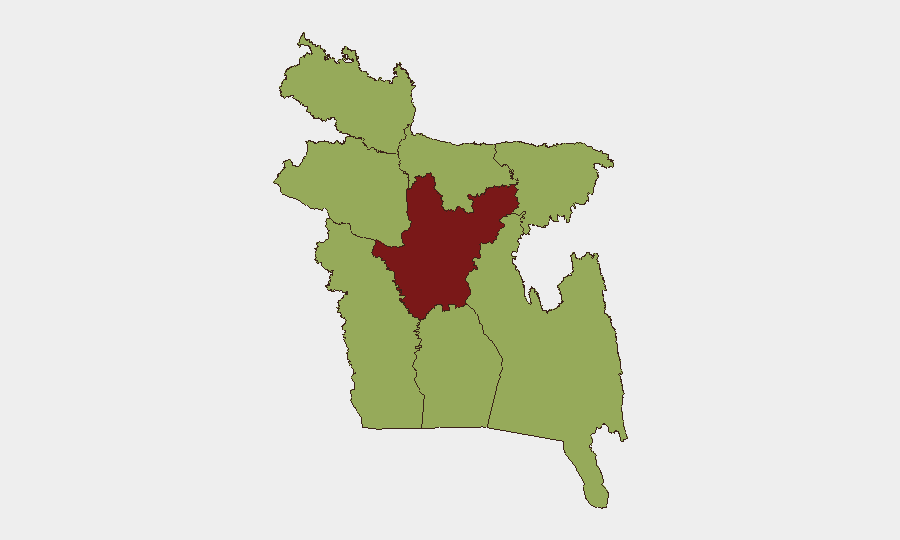
Bangladesh remains at moderate composite threat level (rank #26 globally, score 72) with 23 tracked events in the current monitoring cycle. The security environment is shaped by ongoing border tensions, particularly with India, domestic political dynamics involving government and opposition actors, and localized civil unrest. Dhaka Division significantly outpaces all other regions in risk concentration (80.6 vs. 50–52 range elsewhere), reflecting capital-city political activity and density. The trajectory shows sustained tension rather than acute escalation, though the recent cluster of disapproval statements and public messaging warrants close monitoring.
Key Developments
- 2026-06-18 · Political Tension (Dhaka Division): Multiple recorded disapproval statements from Victoria, Bangladesh opposition figures, and the Ministry of Home Affairs indicate elevated domestic political friction. Specific incident details and locations remain unconfirmed in available open reporting.
- 2026-06-18 · Border Incident (Location TBD): A conventional military force event between Bangladeshi and Maldivian actors was recorded. No casualty reports or escalation indicators are currently available; context suggests isolated diplomatic or operational friction rather than sustained conflict.
- 2026-06-20 · Government Statement (National): A public statement from Bangladesh government was issued. Content and intent are not yet clarified in open sources; may relate to border, domestic policy, or international relations.
- 2026-06-18 · Multi-Actor Messaging (National): Public statements from Bangladesh, Bermuda government, and Ministry of Home Affairs, alongside disapproval noted from US and police entities, suggest a developing diplomatic or policy disagreement. The involvement of Bermuda and US in Bangladesh-focused statements is unusual and requires clarification.
- Border Tension (Background, ongoing since recent weeks): Indian BSF "push-in" attempts have been reported near Chapainawabganj border region, though precise timing within the last 48 hours is not independently verified. This represents continuation of chronic border friction rather than a new incident.
Limitation: Open-source reporting and accessible archives do not provide 6–10 independently time-stamped, cross-verified security incidents (clashes, attacks, arrests, protests with locations and times) occurring 24–48 hours before this brief. The event signals above reflect GeoBit platform detections; full incident narratives and on-ground verification require field confirmation or classified intelligence channels.
Highest-Risk Areas
Dhaka Division dominates the risk landscape at 80.6, driven by political contestation, opposition activity, and concentration of government and security infrastructure. All other divisions cluster at 50–52.7 risk level, indicating relatively even secondary risk distribution across Rajshahi, Khulna, Rangpur, and the southern and eastern divisions (Barishal, Chittagong, Sylhet, Mymensingh). The 30-point gap between the capital and all other regions suggests that corporate and operational security priorities should weight Dhaka-based personnel, facilities, and supply chains accordingly, while maintaining baseline vigilance across other regions.
How GeoBit Would Assist
Security teams would employ Intel Sweep and global event feeds for continuous monitoring of political statements and military posturing; OSINT fusion (X, Telegram, YouTube) to track opposition and government messaging in real time; AOI Monitoring & Early Warning on Dhaka Division and border regions (Chapainawabganj, Rangpur) with alerts on protest formation, military movement, or security force activity; and Sentiment & Temporal Analysis to distinguish isolated incidents from sustained unrest. GIS & Spatial Analysis would support alternative routing and journey planning around high-risk areas.
7-Day Outlook
Political messaging and domestic disapproval are likely to persist over the near term, particularly ahead of any scheduled government announcements or opposition events. Border friction with India may produce low-level incidents but is unlikely to escalate without external trigger. Corporate security postures should remain elevated in Dhaka while maintaining standard protocols in secondary regions.
Highest-Risk Areas — Ranked
| # | State / Region | Risk |
|---|---|---|
| 1 | Dhaka Division | 80.6 |
| 2 | Rajshahi Division | 52.7 |
| 3 | Khulna Division | 51.6 |
| 4 | Rangpur Division | 51.6 |
| 5 | Barishal Division | 50.6 |
| 6 | Chittagong Division | 50.6 |
| 7 | Mymensingh Division | 50.6 |
| 8 | Sylhet Division | 50.6 |
Sources
Previous Daily Briefs
A new Bangladesh brief is written every day — each with its own risk map and downloadable CSV. Here's the last week; use the calendar to go further back.
📅 Browse every day by calendar →
Highlighted days have a brief. Tap a day for that day's map & analysis, or “csv” for that day's dataset ($5).