Situation Summary
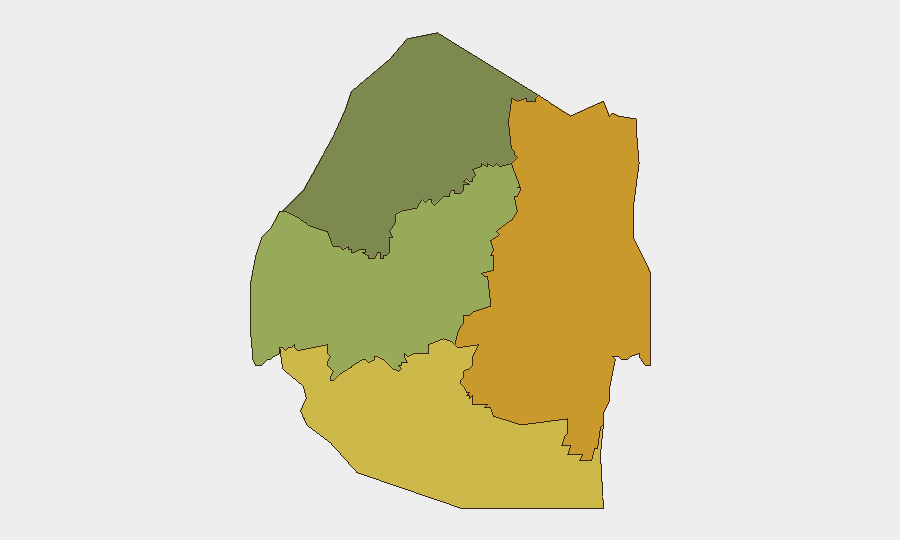
Eswatini faces a baseline composite threat score of 13 (globally unranked) with no discrete security events confirmed in the current 24–48-hour window. Sub-national risk concentration in Lubombo (72) and Shiselweni (68) regions reflects persistent crime and civil-unrest vulnerabilities rather than acute incident activity. The security environment remains characterized by structural, long-term crime and governance challenges rather than immediate instability or operational disruption.
Key Developments
No confirmed acute security incidents—roadblocks, protests, violence, infrastructure disruption, or civil unrest—were verified in Eswatini during the last 24–48 hours.
Historical context (for operational awareness): Since early July, Eswatini has received U.S. deportee intakes (11 individuals reported July 9, 2026), and foreign nationals have filed High Court complaints alleging police re-arrest after release (date unverified); these are not current developments but may inform staffing and consular liaison postures. Border enforcement activity targeting undocumented foreign nationals has been reported but lacks corroboration and precise dating.
Highest-Risk Areas
Lubombo and Shiselweni regions drive the national risk profile, with composite scores of 72 and 68 respectively, reflecting entrenched crime networks, limited law-enforcement capacity, and cross-border trafficking vulnerabilities. Manzini Region (55) presents secondary risk, while Hhohho (35) is lower-risk. These disparities are driven by geography (proximity to South African and Mozambican borders), resource constraints, and established criminal enterprise activity rather than acute political instability. Organizations with operations or personnel in Lubombo and Shiselweni should maintain heightened due diligence on movement, asset control, and incident-reporting protocols.
How GeoBit Would Assist
AOI Monitoring & Early Warning focused on Lubombo and Shiselweni would detect emerging roadblocks, protest formations, or trafficking activity with minimal latency. OSINT Fusion & Corroboration (X/Twitter, Telegram, local news, radio SIGINT) combined with sentiment & temporal analysis would filter recurring crime reports from acute incidents, enabling rapid threat triage. Routing & Network Analysis for personnel and supply convoys would identify vulnerability windows and safer alternative transit routes in high-risk zones, reducing exposure during high-crime periods or escalation windows.
7-Day Outlook
No near-term acute escalation is indicated. Eswatini's threat environment is expected to remain at baseline structural-crime and governance-risk levels over the next seven days. Organizations should sustain routine vigilance on border zones, cross-border movement of personnel, and staff safety protocols; no surge in alert posture is warranted unless sub-national risk scores shift or discrete events emerge.
GeoBit Recommendation: Enable persistent AOI monitoring for Mbabane (capital, administrative vulnerabilities) and Manzini Region's commercial corridors. Schedule quarterly reviews of Lubombo/Shiselweni security posture given sustained elevated risk.
Highest-Risk Areas — Ranked
| # | State / Region | Risk |
|---|---|---|
| 1 | Lubombo | 72 |
| 2 | Shiselweni | 68 |
| 3 | Manzini Region | 55 |
| 4 | Hhohho Region | 35 |
Sources
Previous Daily Briefs
A new Eswatini brief is written every day — each with its own risk map and downloadable CSV. Here's the last week; use the calendar to go further back.
📅 Browse every day by calendar →
Highlighted days have a brief. Tap a day for that day's map & analysis, or “csv” for that day's dataset ($5).
Atlas — our AI intelligence desk — emails them this snapshot personally. Nothing else, no list.