Situation Summary
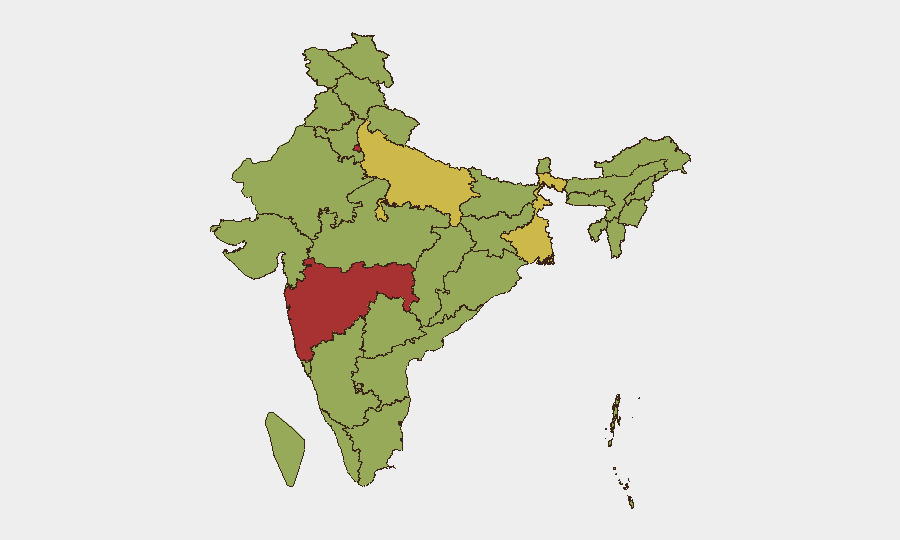
India remains at moderate-to-elevated risk globally (#14, composite score 71) with 1,987 tracked events, driven primarily by civil unrest, cyber threats, and supply-chain vulnerabilities in high-tech manufacturing hubs. The past 48 hours have surfaced two significant concurrent incidents—a major cyber breach at Tata Electronics and elevated security operations around a high-level BRICS diplomatic meeting in Delhi—both creating operational and reputational friction for multinational enterprises and Indian firms. Risk remains concentrated in Maharashtra, Delhi, Uttar Pradesh, and West Bengal, with secondary exposure in Tamil Nadu and Karnataka where critical tech manufacturing is based.
Key Developments
- Tata Electronics cyber breach disclosed (22 June, Tamil Nadu & Karnataka operations/New Delhi disclosure). World Leaks ransomware group published ~630 GB of stolen files (~200,000 documents) allegedly containing Apple factory data and Tesla component specifications; Tata has confirmed the incident and receipt of ransom demand, with Apple initiating full breach analysis. Operational continuity claims remain unverified.
- BRICS National Security Advisers' Meeting convenes (22–23 June, Central New Delhi). India's NSA Ajit Doval chairs the meeting of 11 BRICS and partner states, triggering elevated security posture, VIP convoy activity, and restricted movement in central Delhi's diplomatic and administrative zones through at least 23 June.
- Protest-risk and traffic disruption flagged around BRICS venue (22–23 June, New Delhi). Security and intelligence communities have flagged possible protest activity and crowd-control measures around the conference zone and nearby diplomatic enclaves; temporary local movement advisories remain in effect.
- Cyber extortion risk escalates across Indian tech/automotive supply chains (22 June reporting). Following Tata's public confirmation, cybersecurity analysts report active dark-web advertising of stolen IP and identify elevated risk for follow-on ransomware activity and copycat attacks against Indian manufacturing and technology firms integrated into global supply chains.
- Regulatory and compliance scrutiny tightens on Indian firms (24–48 hours of commentary). EU/UK-integrated entities and Indian firms face heightened reputational and legal risk under NIS2/DORA frameworks; 24-hour incident-reporting duties and vulnerability-management standards are being actively cited in industry commentary as enforcement concerns.
Highest-Risk Areas
Maharashtra and Delhi dominate the sub-national ranking (79.6 and 79.3 respectively), reflecting sustained civil unrest, organized crime, and now—for Delhi—concurrent cyber and diplomatic security operations. Uttar Pradesh and West Bengal (61 and 60.1) contribute sustained protest activity and labor-related civil friction. Tamil Nadu (58.7) and Karnataka (not in top 12) represent critical exposure for multinationals: they host advanced manufacturing clusters (electronics, automotive, software) now directly under cyber-extortion pressure following the Tata breach. Companies with supply-chain or operations ties to these states face both kinetic risk (civil unrest) and cyber/IP-theft risk simultaneously.
How GeoBit Would Assist
Security teams should deploy Intel Sweep and OSINT Fusion to monitor ongoing dark-web activity by World Leaks and track follow-on ransomware targeting Indian manufacturers; AOI Monitoring & Early Warning on Tata Electronics facilities and key supply-chain nodes in Tamil Nadu/Karnataka would flag secondary incidents in real time. Network & Actor Analysis of ransomware infrastructure and Shodan scans of exposed industrial/OT systems across manufacturing clusters would identify copycat-attack vectors before compromise. Concurrent Delhi-focused AOI Monitoring tied to the BRICS meeting would provide 24–48 hour advance warning of protest escalation or security cordons affecting staff movement and logistics.
7-Day Outlook
The BRICS meeting will conclude by 24 June, reducing acute security congestion in Delhi but maintaining heightened vigilance in diplomatic and intelligence circles. Cyber extortion activity is expected to persist and likely spread to secondary targets in the Indian tech and automotive sectors; ransomware groups typically sustain pressure for 2–4 weeks post-disclosure. Civil unrest risk in Maharashtra, West Bengal, and UP remains baseline elevated with no near-term de-escalation indicators.
Highest-Risk Areas — Ranked
| # | State / Region | Risk |
|---|---|---|
| 1 | Maharashtra | 79.6 |
| 2 | Delhi | 79.3 |
| 3 | Uttar Pradesh | 61 |
| 4 | West Bengal | 60.1 |
| 5 | Tamil Nadu | 58.7 |
| 6 | Punjab | 57.9 |
| 7 | Gujarat | 56.7 |
| 8 | Bihar | 56.4 |
| 9 | Rajasthan | 55.6 |
| 10 | Madhya Pradesh | 54.2 |
| 11 | Jammu and Kashmir | 52 |
| 12 | Kerala | 52 |
Sources
Previous Daily Briefs
A new India brief is written every day — each with its own risk map and downloadable CSV. Here's the last week; use the calendar to go further back.
📅 Browse every day by calendar →
Highlighted days have a brief. Tap a day for that day's map & analysis, or “csv” for that day's dataset ($5).