Situation Summary
Italy remains a moderate-risk environment (global rank #131, composite score 6) with fragmented security concerns spanning labor disruption, organized crime activity, civil unrest potential, and an enduring low-level terrorism threat. Recent developments include aviation strikes affecting travel infrastructure, hospital drug theft implicating organized crime networks, and scattered administrative and military-related disputes at the national level. The threat profile is geographically concentrated, with Umbria, Lombardy, and Lazio accounting for the majority of tracked incidents.
Key Developments
- Nationwide aviation disruption (5–9 July 2026): Multiple strikes by ground handlers, airport security, ATC at Milan, and EasyJet crews caused significant delays and cancellations on 5 July; knock-on effects on staffing and schedules persisted through 8–9 July, affecting corporate travel and cargo flows across major hubs.
- Rome hospital fentanyl theft (3 July, ongoing investigation): Italian authorities reported theft of 80 vials of fentanyl from Rome's Israelite Hospital; emergency meeting convened 3 July with Health Ministry ordering inspections and specialized police units conducting investigation into possible organized crime involvement.
- Intermittent civil unrest and strikes (8–9 July advisories): UK and Canadian travel advisories updated 8–9 July confirm demonstrations and strikes occur regularly in major cities (Rome, Milan, Naples, Turin, Bologna); even peaceful protests retain risk of rapid escalation.
- General terrorism and petty-crime posture (7–9 July): Official travel advisories reinforce high-caution stance regarding terrorism threat and frequent pickpocketing/bag snatching at tourist sites and transport hubs; no new specific incidents reported, but advisory updates reflect continuing baseline concern.
- Administrative and military-related tensions (8–9 July signals): GeoBit event tracking captured multiple public statements, rejections, and administrative sanctions on 8–9 July involving military, authorities, and civilian actors; details remain limited in open indexing but signal internal political friction requiring monitoring.
Highest-Risk Areas
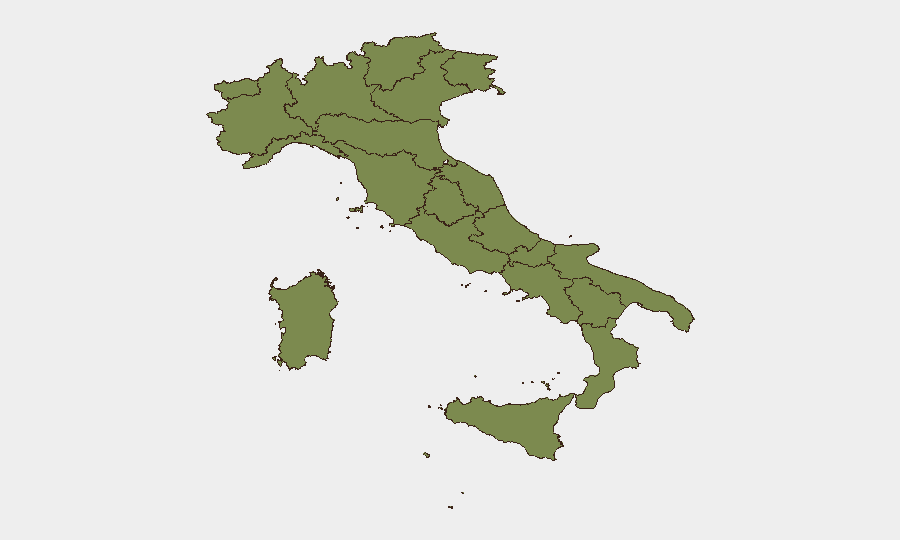
Umbria (risk 33.8) significantly outranks all other regions and warrants priority monitoring; Lombardy (21.4) and Lazio (13.7) follow as secondary concerns. Umbria's elevated risk likely reflects organized crime, illicit activity, or a concentration of unresolved incidents; Lombardy's inclusion is consistent with Milan's status as a major transport and financial hub subject to industrial action and organized criminal networks. Lazio encompasses Rome, where the hospital drug theft and associated policing activity signal active organized-crime engagement in sensitive infrastructure. Together, these three regions account for approximately 75 % of tracked risk events.
How GeoBit Would Assist
Intel Sweep and multi-language OSINT across Italian media, X/Telegram, and local sources would provide continuous early warning of labor actions, protests, and organized-crime developments ahead of impact on corporate operations. AOI Monitoring & Early Warning with persistent watch on Umbria, Lombardy, and Lazio—plus Milan and Rome airports—would flag strikes, civil unrest, and police activity in near-real time. Routing & Network Analysis would support alternative travel and supply-chain planning during strikes or civil disruption. Network & Actor Analysis applied to organized-crime signals (fentanyl theft, bandit activity) would help security teams assess risk to healthcare facilities, warehouses, and personnel in crime-affected regions.
7-Day Outlook
Labor disputes in aviation and transport sectors remain volatile through mid-July; further strikes are likely given unresolved sectoral grievances. Civil unrest risk in major urban centers will persist at baseline, with potential for localized escalation around political or social triggers. Organized-crime activity, particularly drug trafficking and facility theft, is expected to remain a persistent threat in Rome and high-risk regions.
Highest-Risk Areas — Ranked
| # | State / Region | Risk |
|---|---|---|
| 1 | Umbria | 33.8 |
| 2 | Lombardy | 21.4 |
| 3 | Lazio | 13.7 |
| 4 | Sicily | 10.5 |
| 5 | Tuscany | 6.9 |
| 6 | Abruzzo | 6.9 |
| 7 | Piedmont | 5.9 |
| 8 | Emilia-Romagna | 4.3 |
| 9 | Trentino – Alto Adige/Südtirol | 4.3 |
| 10 | Liguria | 4.3 |
| 11 | Sardinia | 4 |
| 12 | Veneto | 3.8 |
Sources
Previous Daily Briefs
A new Italy brief is written every day — each with its own risk map and downloadable CSV. Here's the last week; use the calendar to go further back.
📅 Browse every day by calendar →
Highlighted days have a brief. Tap a day for that day's map & analysis, or “csv” for that day's dataset ($5).
Atlas — our AI intelligence desk — emails them this snapshot personally. Nothing else, no list.