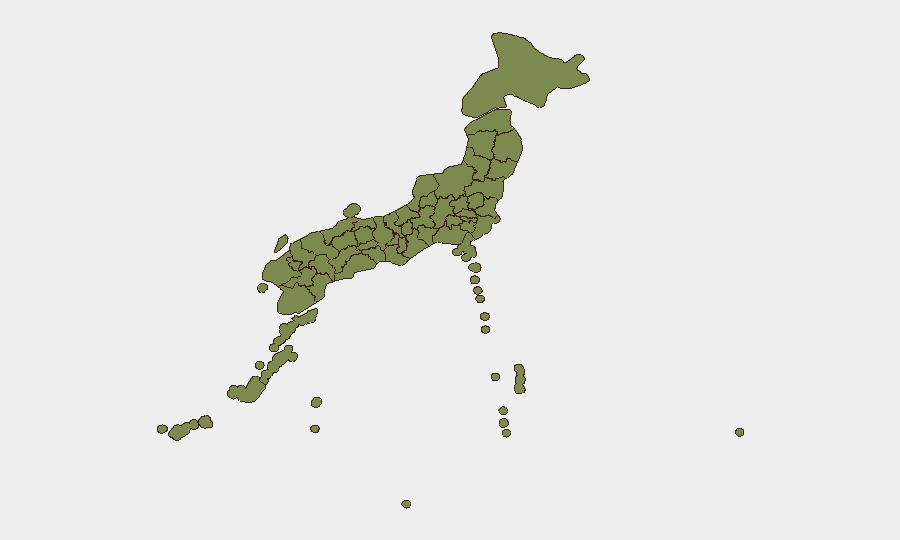
Situation Summary
Japan remains a low-threat environment globally (rank #165, composite score 4) but faces elevated near-term risks driven by military activity in its maritime exclusive economic zone, ongoing cyberattack recovery, political instability, and severe weather impacts. Chinese and Russian naval exercises in Japan's EEZ near Okinotori Island have triggered formal government protest and heightened defense posture, while a major ransomware attack on critical food logistics continues to disrupt supply chains. Domestic political tension and a nationwide heatwave compounding public health strain are concurrent stressors, though no large-scale civil unrest or terror incidents have been reported in the past 48 hours.
Key Developments
- Okinotori Island EEZ (Pacific Ocean) – July 21: Japan's government formally protested a Chinese Luyang III-class destroyer's live-fire drills conducted ~180 km southwest of Okinotori Island during Sino-Russian joint exercises; Defense Minister Koizumi Shinjiro publicly warned of intensifying China–Russia military coordination and associated security risks.
- Nichirei Ransomware Recovery Update – July 22: Nichirei, a major frozen-food and logistics firm, remains in active recovery from a Russia-linked RansomHouse ransomware attack that disrupted warehousing and shipping, with data exfiltration reported and ongoing supply chain knock-on effects (KFC product shortages documented).
- Political Instability Signal – July 22: Opposition leader Ogawa Junya signaled likelihood of filing a no-confidence motion against PM Sanae Takaichi's cabinet following poll declines to low 40s% approval and 44% disapproval.
- Extreme Heat Surge – July 22–23: Tajimi, Gifu Prefecture recorded 40.3°C (the highest in Japan this year); national ambulance dispatch data (July 13–19) shows 10,857 heatstroke cases, more than double the prior-year period, with ongoing extreme heat warnings in effect.
- Nationwide Defense Mobilization Signals – July 22: Military mobilization announcements and public statements from Japan's government and military indicate elevated operational readiness following maritime incursion disclosure.
Highest-Risk Areas
Tokyo dominates the sub-national risk ranking (31.4) by a significant margin, reflecting its status as the political, economic, and population center; concentrations of critical infrastructure, diplomatic presence, and cyber-attack surface area drive this disparity. Hiroshima (7.6) and Hokkaido (6.6) rank second and third, likely reflecting historical sensitivity and regional military infrastructure, though current event clustering remains Tokyo-centric. The maritime southern regions (Okinawa, 1.9) face elevated exposure to Sino-Russian naval activity in their EEZ, though the current risk score reflects incident frequency rather than severity. Corporate and duty-of-care teams should prioritize Tokyo-based assets and operations for political disruption and cyber risk, while maritime and logistics operations require heightened awareness of military activity in southern waters.
How GeoBit Would Assist
Security and risk teams would deploy AOI Monitoring & Early Warning on Tokyo's critical infrastructure and political nodes to detect escalation signals; Conflict & Military mapping and Maritime & Aviation tracking capabilities would provide persistent surveillance of Sino-Russian naval operations near Okinotori Island and Japanese EEZ boundary zones. Network & Actor Analysis combined with Intel Sweep (Telegram, X/Twitter, multi-language feeds) would enable early detection of politically motivated cyber campaigns, protest mobilization, or supply-chain sabotage linked to Nichirei fallout or domestic political friction.
7-Day Outlook
Military tension in the southern EEZ is likely to persist without de-escalation signals from Beijing; further Chinese or Russian naval operations or Japanese counter-exercises carry risk of accidental maritime incidents. The Nichirei ransomware recovery and political instability may generate secondary disruptions (industrial action, supply shortages, parliamentary procedural delays), while extreme heat will strain public health and power infrastructure through at least late July. No credible indicators of terror attack or civil unrest escalation are present, but sustained political instability combined with economic friction could gradually lower the threshold for protest activity by late month.
Highest-Risk Areas — Ranked
| # | State / Region | Risk |
|---|---|---|
| 1 | Tokyo | 31.4 |
| 2 | Hiroshima Prefecture | 7.6 |
| 3 | Hokkaido Prefecture | 6.6 |
| 4 | Iwate Prefecture | 2.7 |
| 5 | Hyogo Prefecture | 2.4 |
| 6 | Fukushima Prefecture | 2.4 |
| 7 | Fukuoka Prefecture | 2.2 |
| 8 | Tochigi Prefecture | 2.2 |
| 9 | Okinawa Prefecture | 1.9 |
| 10 | Kyoto Prefecture | 1.9 |
| 11 | Wakayama Prefecture | 1.9 |
| 12 | Kagoshima Prefecture | 1.7 |
Sources
Previous Daily Briefs
A new Japan brief is written every day — each with its own risk map and downloadable CSV. Here's the last week; use the calendar to go further back.
📅 Browse every day by calendar →
Highlighted days have a brief. Tap a day for that day's map & analysis, or “csv” for that day's dataset ($5).
Atlas — our AI intelligence desk — emails them this snapshot personally. Nothing else, no list.