Situation Summary
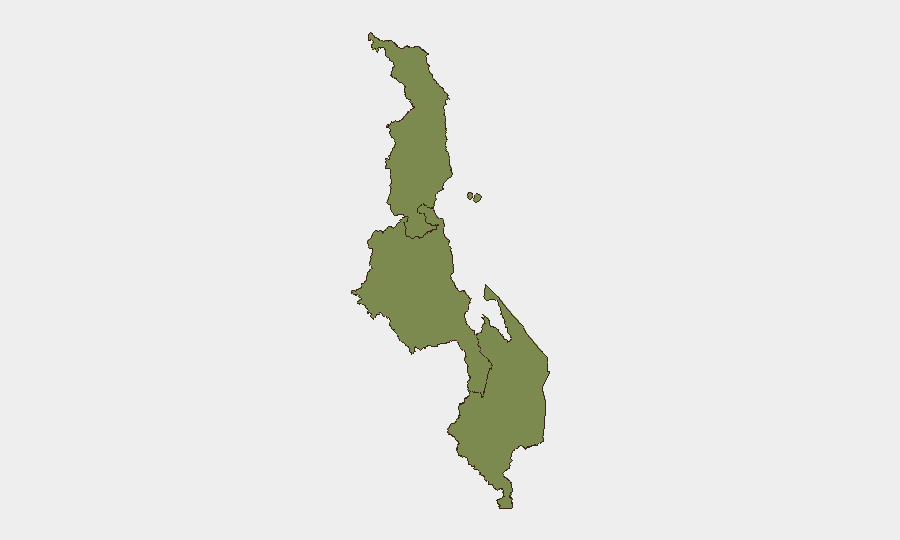
Malawi remains a relatively low-threat environment globally (rank #141, composite score 5), but recent event signals indicate elevated political and diplomatic activity. Central Region dominates the sub-national risk profile with a composite score of 31.5—more than 20 times higher than Southern or Northern Regions—suggesting concentrated volatility around Lilongwe and the capital corridor. Recent signals point to public demonstrations, ministerial-level disapproval, and consulate-related tensions as of 11–12 July, requiring close monitoring but not indicative of imminent systemic instability.
Key Developments
- Lilongwe, 13 July 2026: Malawi confirmed hosting the 28th ordinary meeting of the SADC Ministerial Committee on Politics, Defense and Security Cooperation, signaling active regional diplomatic engagement on political and security matters.
- Malawi (location unspecified), 11 July 2026: Demonstration/rally activity reported across SADC region with Malawi involvement; specific location and scale not yet isolated.
- Malawi Government, 11 July 2026: Ministry-level disapproval signal recorded; context and subject matter require further clarification through OSINT fusion.
- Malawi, 11–12 July 2026: Multiple public statements from Malawian actors, voters, and government entities recorded; sentiment analysis suggests political dissent emerging as a secondary signal thread.
- Diplomatic Tension, 12 July 2026: Consulate-related public statements from both Malawi government and consulate personnel indicate bilateral or multilateral friction; origins (xenophobia, visa policy, repatriation coordination, or other) require disambiguation through entity extraction and correlation analysis.
- Cross-Border Repatriation Context (recent, 13 July 2026): Malawian nationals have been repatriated from South Africa following xenophobic violence; while the primary incident occurred in South Africa, return-flow may create secondary tension in Malawi and strain border services and social cohesion.
Highest-Risk Areas
Central Region's risk score of 31.5 is the dominant driver of national-level concern and reflects concentration of political, ministerial, and diplomatic activity in and around Lilongwe. Southern and Northern Regions each score 1.5, indicating either lower event frequency or lower severity. Organizations with personnel or assets in Lilongwe and the Central Region corridor should treat this disparity seriously: political dissent, demonstrations, and government-consulate frictions are urban-centered phenomena with potential for rapid escalation if triggered by economic, xenophobic, or governance grievances.
How GeoBit Would Assist
Teams should activate Intel Sweep and OSINT fusion to disambiguate the current consulate tension, demonstration, and ministerial signals—entity extraction will isolate actors, timeline, and subject matter. Parallel deployment of election monitoring, sentiment analysis, and Telegram/X OSINT will track political dissent and grassroots reaction to repatriation flows and regional instability. Persistent AOI monitoring of Lilongwe, key government venues, and consulate locations with alerting will provide early warning of escalation in real time.
7-Day Outlook
Political and diplomatic activity is likely to remain elevated through the SADC ministerial meeting and its outcomes. Xenophobic spillover from South Africa and repatriation tensions may produce secondary civil-unrest signals in Central Region over the next week. Risk trajectory remains stable absent a sharp economic shock or governance crisis; close watch on consulate tensions and public sentiment is warranted.
Highest-Risk Areas — Ranked
| # | State / Region | Risk |
|---|---|---|
| 1 | Central Region, Malawi | 31.5 |
| 2 | Southern Region, Malawi | 1.5 |
| 3 | Northern Region, Malawi | 1.5 |
Sources
Previous Daily Briefs
A new Malawi brief is written every day — each with its own risk map and downloadable CSV. Here's the last week; use the calendar to go further back.
📅 Browse every day by calendar →
Highlighted days have a brief. Tap a day for that day's map & analysis, or “csv” for that day's dataset ($5).
Atlas — our AI intelligence desk — emails them this snapshot personally. Nothing else, no list.