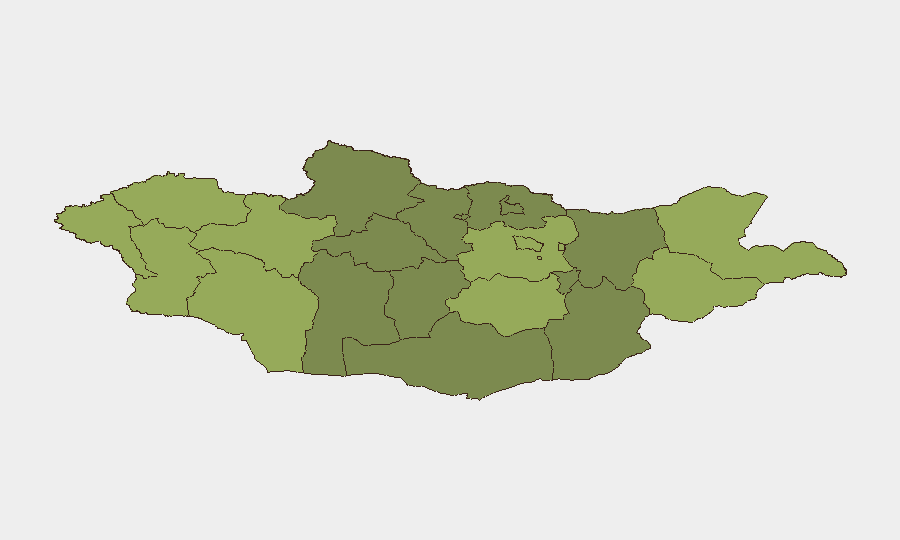
Situation Summary
Mongolia remains a low-threat environment globally (composite score 4), with no confirmed security incidents or unrest recorded in the past 24–48 hours. Border regions—particularly Dornod, Sükhbaatar, and Uvs—carry elevated composite risk scores (58, 55, and 52 respectively), likely reflecting remote terrain, limited state presence, and cross-border trafficking exposure rather than active conflict. The security posture is stable, though public health alerts (bubonic plague in rural provinces) and infrastructure work (COP17 construction) warrant operational awareness.
Key Developments
No discrete security, conflict, crime, or civil unrest incidents with verified dating to the last 24–48 hours are available in accessible reporting or open-source feeds.
Note on recent reported incident: Israeli travelers were reportedly attacked at a campsite in northern Mongolia by assailants armed with axes and knives; one victim sustained a fractured jaw. All available sources date this incident vaguely to "last week" rather than the last 24–48 hours, precluding inclusion as a current development. The group subsequently departed Mongolia with assistance from diplomatic authorities.
Ongoing advisories relevant to duty-of-care teams:
- Bubonic plague alert (nationwide, rural focus). Mongolia's National Center for Zoonotic Diseases has flagged 17 of 21 provinces as at-risk zones, particularly areas with marmot hunting activity. Summer travel and illegal wildlife contact remain primary exposure vectors.
- River flooding watch (multi-province, dated ~July 17). Authorities warned of elevated river levels with expected further rises; this alert is older than 48 hours and is included for situational context only. Riverbank avoidance remains prudent in affected zones.
- COP17 construction activity (ongoing). Heavy equipment and extended-hours work continue at venue sites; minor infrastructure disruption and localized safety considerations apply in construction zones.
Highest-Risk Areas
Eastern and western border regions dominate Mongolia's sub-national risk profile. Dornod (58), Sükhbaatar (55), and Uvs (52) rank highest, reflecting their geographic remoteness, porous cross-border terrain, and limited law enforcement density. These zones are conduits for livestock rustling, fuel smuggling, and human trafficking rather than sites of active armed conflict. Khovd and Bayan-Ölgii (50 and 48) along the Kazakh and Russian borders show similar patterns. Ulaanbaatar (45)—the capital and primary business hub—ranks mid-tier, indicating standard urban crime and petty theft risks rather than systemic instability.
How GeoBit Would Assist
Teams with personnel or assets in Mongolia should leverage AOI (Area-of-Interest) Monitoring & Early Warning on border provinces to detect trafficking, cross-border movement, or security incidents in real time. Multi-language OSINT and X/Twitter intelligence provide continuous surface-level awareness of civil unrest, public health alerts, and environmental hazards. Routing & Network Analysis supports alternative journey planning for field teams operating in high-risk border zones or rural provinces flagged for plague exposure, ensuring routes avoid known risk vectors and maintain connectivity to safe havens.
7-Day Outlook
No significant security escalation is forecast for the next seven days. Seasonal summer travel, rural health risks (plague, flooding), and infrastructure activity will remain the primary duty-of-care variables rather than political or conflict-driven threats. Border region risk levels are expected to remain stable and endemic rather than acute.
Highest-Risk Areas — Ranked
| # | State / Region | Risk |
|---|---|---|
| 1 | Dornod | 58 |
| 2 | Sükhbaatar | 55 |
| 3 | Uvs | 52 |
| 4 | Khovd | 50 |
| 5 | Bayan-Ölgii | 48 |
| 6 | Govi-Altai | 46 |
| 7 | Ulaanbaatar | 45 |
| 8 | Zavkhan | 44 |
| 9 | Töv | 42 |
| 10 | Dundgovi | 40 |
| 11 | Darkhan-Uul | 38 |
| 12 | Ömnögovi | 37 |
Sources
Previous Daily Briefs
A new Mongolia brief is written every day — each with its own risk map and downloadable CSV. Here's the last week; use the calendar to go further back.
📅 Browse every day by calendar →
Highlighted days have a brief. Tap a day for that day's map & analysis, or “csv” for that day's dataset ($5).
Atlas — our AI intelligence desk — emails them this snapshot personally. Nothing else, no list.