Situation Summary
Djibouti remains a low-intensity threat environment (global rank #127, composite score 6) with no confirmed major security incidents in the last 24–48 hours inside the country itself. However, the regional maritime threat posture has sharpened due to intensified US–Iran tensions, heightened Houthi activity in the Red Sea and Bab el‑Mandeb, and renewed piracy operations in the Gulf of Aden—all directly adjacent to Djibouti's core strategic interests. The country's hosting of multiple international military bases and its role as the primary Red Sea chokepoint operator mean that external and maritime risks carry outsized operational weight despite stable internal conditions.
Key Developments
- EU–Djibouti SOFA expansion (Djibouti City, 17 July 2026): EU foreign policy chief Kaja Kallas signed a new Status of Forces Agreement for Operation ASPIDES, expanding the EU naval presence in Red Sea and Bab el‑Mandeb shipping lanes; reflects coordinated response to Iranian and Houthi threats to maritime commerce.
- Piracy incident—Gulf of Aden (17 July 2026): Armed assailants believed to be Somali pirates seized the chemical tanker *Asana* following a distress call; vessel and crew now at risk of detention for ransom; UK Maritime Trade Operations and regional maritime security centers are actively monitoring.
- Iran–Houthi contingency messaging (Red Sea theater, 17 July 2026): Open-source reporting indicates Iran has urged Houthi forces to consider closing Bab el‑Mandeb if the US conducts additional strikes on Iranian infrastructure; no confirmed action yet, but heightens strategic risk to chokepoint operations and Djibouti-hosted naval forces.
- Hydrocarbon pollution incident (Siesta Beach, Djibouti City, ongoing since 13–14 July 2026): Ministry of Environment and Sustainable Development announced a temporary swimming ban and initiated cleanup operations; presents localized health and access-restriction risk for residents and beach visitors.
- Khat smuggling interdiction (Dikhil customs corridor, mid-July 2026): Djiboutian customs, armed forces, and national police interdicted approximately 1,800 kg of khat in coordinated enforcement operation; indicates active illicit-trafficking checkpoints and potential overland travel delays in inland smuggling corridors, with no violence reported.
Highest-Risk Areas
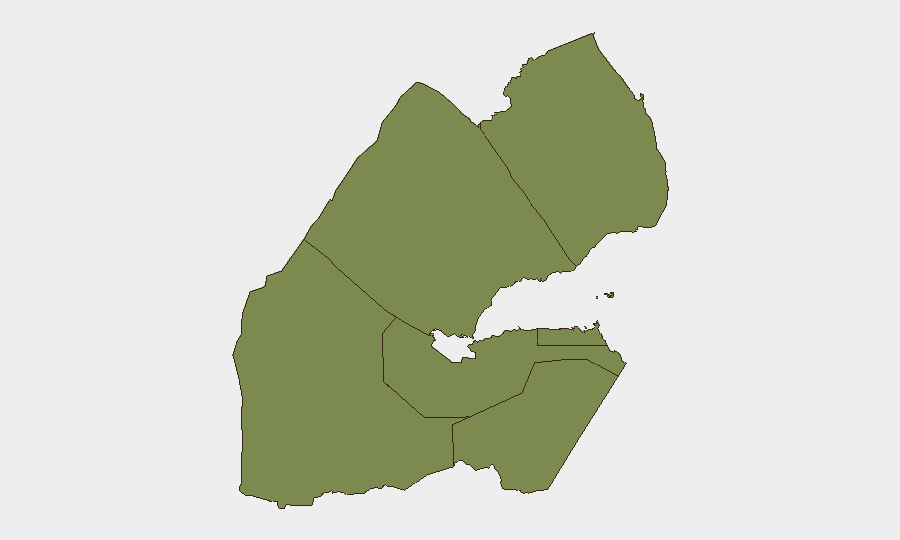
Arta region dominates the sub-national risk ranking (31.8) and warrants focused monitoring; the remaining five regions cluster at 1.8, indicating Arta's elevated threat profile is driven by factors distinct from the rest of the country. While the most recent event signals reference military-force deployments and conventional operations (Djibouti–Yemen, US operations), Arta's significantly higher risk score likely reflects either persistent territorial or clan tensions, historical instability patterns, or ongoing low-level conflict activity not yet surfaced in the last 24–48 hours of reporting. All other regions show uniformly low and stable scores; Djibouti City and surrounding zones remain relatively secure.
How GeoBit Would Assist
Security teams in Djibouti would deploy AOI Monitoring & Early Warning to track Arta and key maritime zones (Red Sea, Bab el‑Mandeb) for emerging unrest or military escalation; Maritime & Aviation tracking to monitor vessel movements, piracy risk corridors, and chokepoint congestion; and Network & Actor Analysis to map Iranian proxy activity, Houthi operational readiness, and regional armed-group intentions. Cross-referenced OSINT fusion and sentiment analysis on regional media and diplomatic channels would provide advance notice of policy shifts or coordinated threats to shipping and base operations.
7-Day Outlook
Regional maritime tension will likely remain elevated as US–Iran rhetoric and Houthi readiness persist; no imminent domestic security crisis is forecast. Djibouti's internal stability should remain intact, but commercial shipping delays and potential temporary chokepoint disruptions remain possible if Houthi action escalates. Continued EU and US military presence and intelligence-sharing should help deter major escalation inside Djiboutian territory.
Highest-Risk Areas — Ranked
| # | State / Region | Risk |
|---|---|---|
| 1 | Arta | 31.8 |
| 2 | Dikhil | 1.8 |
| 3 | Ali Sabieh | 1.8 |
| 4 | Tadjourah | 1.8 |
| 5 | Obock | 1.8 |
| 6 | Djibouti | 1.8 |
Sources
Previous Daily Briefs
A new Djibouti brief is written every day — each with its own risk map and downloadable CSV. Here's the last week; use the calendar to go further back.
📅 Browse every day by calendar →
Highlighted days have a brief. Tap a day for that day's map & analysis, or “csv” for that day's dataset ($5).
Atlas — our AI intelligence desk — emails them this snapshot personally. Nothing else, no list.