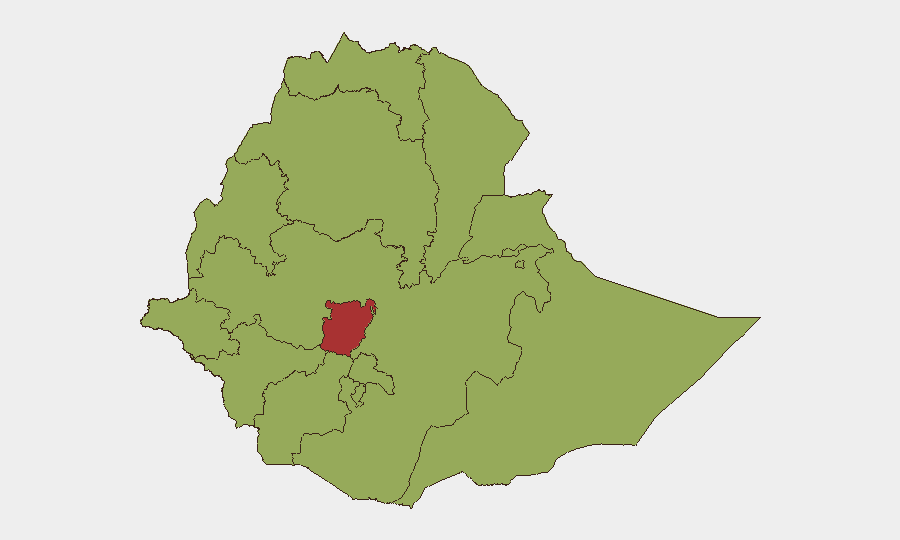
Situation Summary
Ethiopia remains at elevated civil-conflict risk (global rank #20, composite score 70), driven by unresolved tensions between federal authorities and armed opposition groups, compounded by recent U.S. diplomatic pressure on hardline Tigray People's Liberation Front (TPLF) leadership. Multiple regions continue to experience active military operations and inter-communal violence. Concurrent public-health concerns (Marburg virus disease, malaria) add operational complexity for personnel and logistics. Overall trajectory is unstable but not acutely escalating as of June 19.
Key Developments
- Addis Ababa / Washington, D.C. — June 19, 2026: U.S. State Department announced visa restrictions targeting hardline TPLF leaders and immediate family members, citing efforts to undermine peace in Tigray and raise risk of renewed conflict. Statement framed this as response to current tensions rather than historical grievance.
- Tigray region — June 19, 2026: U.S. assessment noted rising tensions between TPLF hardliners and Ethiopian government, with TPLF-aligned forces engaged in direct confrontations with Ethiopian National Defence Force (ENDF) earlier in 2026. Diplomatic intervention signals U.S. concern over peace-agreement fragility.
- Multiple locations — June 18, 2026: GEOBIT event tracking recorded three conventional military-force incidents (ETHIOPIAN/ENDF vs. MARCHE forces), suggesting active operational tempo across contested zones. Specific locations and casualty figures not yet available.
- Ethiopia — June 18, 2026: Arrest/detention of Nigerian national by Ethiopian authorities; operational context unclear but may reflect border-security or counter-terrorism measures.
- Ethiopia — June 17, 2026: Threat issued by authorities against unnamed Ethiopian party; nature of threat and enforcement status pending clarification.
- Public health — recent: Confirmed Marburg virus disease cases and ongoing malaria transmission pose operational risk to corporate personnel, particularly in rural and lower-resource regions.
Highest-Risk Areas
Central Ethiopia Regional State carries the highest composite risk (78.7), significantly exceeding all other regions (48.6 baseline). Tigray, Amhara, Afar, Benishangul-Gumuz, Somali, and Gambela regions remain at elevated risk due to active armed-group presence, inter-communal violence, and weak state control. Addis Ababa, despite federal-capital status, is ranked at baseline risk (48.6), reflecting concentration of security forces but also ongoing organized-crime and civil-unrest potential. Oromia and South Ethiopia regions continue to experience insurgent activity and communal tensions. Personnel and supply-chain exposure is highest in Central, Tigray, and Amhara zones.
How GeoBit Would Assist
Intel Sweep and OSINT fusion would track TPLF-government messaging and military communications (including radio SIGINT) to detect shifts toward escalation or localized ceasefires before public announcement. Battle mapping and force-structure analysis would pinpoint ENDF and opposition deployments in Central and Tigray regions to inform route planning and personnel movement windows. AOI Monitoring with early-warning alerting on Addis Ababa, border zones, and supply corridors would flag roadblocks, checkpoints, and security operations in real time, enabling proactive adjustment of duty-of-care protocols and logistics timing.
7-Day Outlook
U.S. visa sanctions may temporarily freeze diplomatic momentum but are unlikely to alter ground-force behavior in the near term. ENDF operations against MARCHE and other armed groups will likely continue. Health incidents (Marburg, malaria) will remain endemic risk, particularly affecting staff in non-urban zones. Heightened vigilance is warranted; further escalation is possible but not imminent as of this assessment date.
Highest-Risk Areas — Ranked
| # | State / Region | Risk |
|---|---|---|
| 1 | Central Ethiopia Regional State | 78.7 |
| 2 | Tigray | 48.6 |
| 3 | Amhara Region | 48.6 |
| 4 | Afar Region | 48.6 |
| 5 | Benishangul-Gumuz Region | 48.6 |
| 6 | Somali Region | 48.6 |
| 7 | Gambela Region | 48.6 |
| 8 | South West Ethiopia Peoples | 48.6 |
| 9 | Addis Ababa | 48.6 |
| 10 | South Ethiopia Regional State | 48.6 |
| 11 | Oromia Region | 48.6 |
| 12 | Sidama | 48.6 |
Sources
Previous Daily Briefs
A new Ethiopia brief is written every day — each with its own risk map and downloadable CSV. Here's the last week; use the calendar to go further back.
📅 Browse every day by calendar →
Highlighted days have a brief. Tap a day for that day's map & analysis, or “csv” for that day's dataset ($5).