Situation Summary
Fiji remains a low-threat environment globally (ranked #152; composite threat score 5) with no credible reports of acute security incidents, civil unrest, major crime spikes, or infrastructure disruption in the last 24–48 hours. The dominant security development is strategic rather than operational: the 10 July signing of an expanded Australia–Fiji defence and security pact (Vuvale Union), which has prompted regional strategic response including a concurrent Chinese ballistic missile test and civil-society human-rights criticism. Underlying risks—alcohol-related violence, maritime trafficking via drug-cartel networks, and localized public-order concerns—remain chronic rather than escalating, with Western Division continuing to drive the bulk of national risk.
Key Developments
- Suva, Fiji – 10 July 2026 – Australia–Fiji expanded defence and security pact (Vuvale Union) signed by PM Albanese; covers defence cooperation, maritime security, and broader security assistance. Politically sensitive but no immediate domestic unrest reported.
- Pacific theatre – 10 July 2026 – China conducted submarine-launched ballistic missile test (reportedly nuclear-capable) hours after Fiji defence pact signing; international sources frame this as strategic response, signalling elevated regional tension with indirect impact on Fiji's security environment.
- Fiji (national) – 10 July 2026 – Australian Centre for International Justice (ACIJ) issued statement expressing concern over expanded defence pact, citing unresolved human-rights allegations; political criticism rather than protest action or unrest.
- Fiji maritime domain – 8–10 July 2026 (precise dates unclear) – Republic of Fiji Navy conducted multiday maritime security operation with multiple assets and aircraft in response to "ongoing challenges" including suspicious vessels in Fijian waters; no combat, casualties, or travel-risk impacts reported.
- Fiji maritime/ports – 9–10 July 2026 – Fiji media reports highlight discovery of high-tech tracking equipment linked to Mexican drug cartels in Pacific region; commentary emphasises maritime security gaps and organised-crime transit risks through Fijian waters, though no specific new seizure or arrest within 24–48 hours confirmed.
Highest-Risk Areas
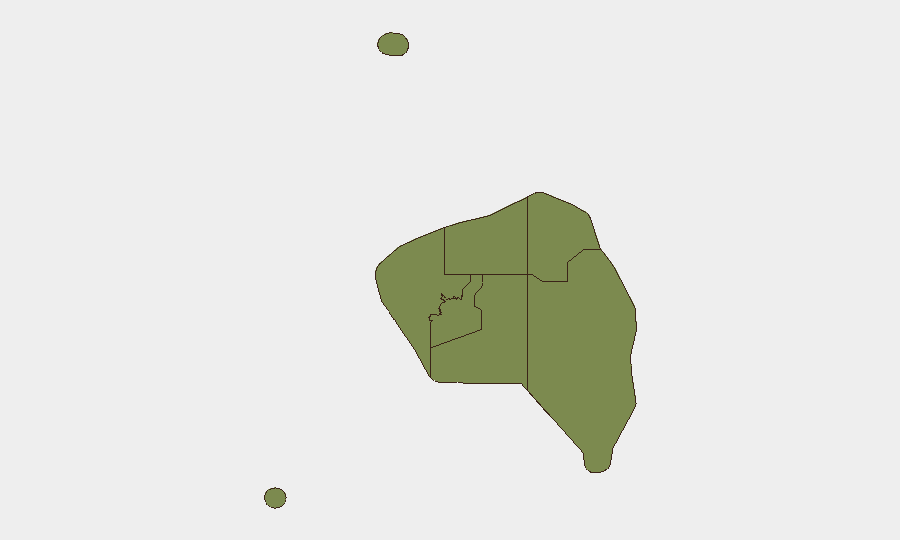
Western Division dominates the national risk profile (composite score 31.5), representing approximately 60% of tracked threat events and encompassing Suva and broader resource-competition and gang-related pressures. Central Division (15.6) remains the secondary concern. Northern, Eastern, and Rotuma divisions carry minimal tracked risk. The Western concentration reflects patterns of gang activity, alcohol-fuelled violence, and property crime rather than organised terrorism or state-level conflict; corporate and expatriate personnel should treat Western Division (particularly urban Suva) as requiring heightened awareness of street crime, opportunistic assault, and vehicle theft, especially during evening hours and in informal settlements.
How GeoBit Would Assist
Intel Sweep and OSINT fusion would monitor Fiji's political-security environment in real time, tracking statements by government, police, and civil-society actors to flag emerging policy shifts, unrest catalysts, or resource-constraint announcements. Maritime & Aviation tracking combined with Network & Actor Analysis would support identification and pattern-mapping of trafficking vessels and cartel-linked activity in Fijian waters, enabling duty-of-care teams to avoid high-risk routes and ports. AOI Monitoring & Early Warning on Western Division and key urban nodes (Suva) would provide persistent alerting on any new gang violence, civil disorder, or infrastructure disruption affecting personnel or supply chains.
7-Day Outlook
No imminent escalation in domestic security incidents is anticipated. The Australia–Fiji defence pact may attract further civil-society criticism and international commentary, but indications suggest this will remain political rather than triggering street-level unrest. Maritime trafficking risks and alcohol-related violence will likely persist at baseline; monitor police advisories and Fiji Navy operational tempo for shifts in operational posture.
Highest-Risk Areas — Ranked
| # | State / Region | Risk |
|---|---|---|
| 1 | Western | 31.5 |
| 2 | Central | 15.6 |
| 3 | Northern | 4.4 |
| 4 | Eastern | 1.5 |
| 5 | Rotuma | 1.5 |
Sources
Previous Daily Briefs
A new Fiji brief is written every day — each with its own risk map and downloadable CSV. Here's the last week; use the calendar to go further back.
📅 Browse every day by calendar →
Highlighted days have a brief. Tap a day for that day's map & analysis, or “csv” for that day's dataset ($5).
Atlas — our AI intelligence desk — emails them this snapshot personally. Nothing else, no list.