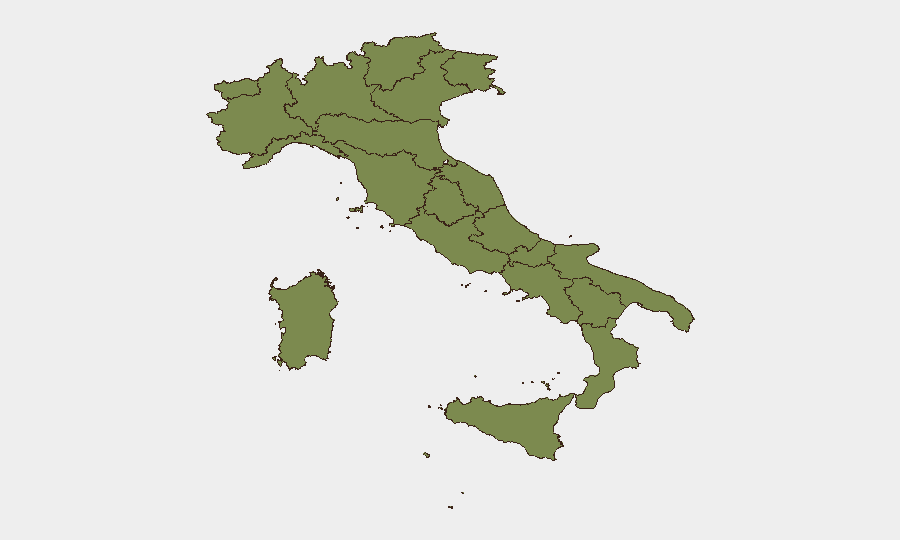
Situation Summary
Italy remains a relatively low-threat environment globally (ranked #114), but faces a sharp geographic concentration of risk in Umbria and Lombardy, driven by organized crime activity, civil unrest, and institutional tensions. The past 48 hours have introduced acute concerns in Rome and northern regions: confirmed espionage arrests targeting state systems, active large-scale wildfires straining emergency response capacity, and sustained petty crime pressure at transport hubs. The trajectory reflects heightened foreign intelligence activity intersecting with seasonal infrastructure stress and routine criminal enterprise.
Key Developments
- Rome espionage arrests (12 July, Lazio). Italian authorities arrested two individuals on charges of espionage, unauthorized disclosure of restricted information, and unauthorized computer system access in connection with an alleged Russian intelligence operation targeting Italian institutions. This represents a direct nation-state threat to critical information security and has triggered elevated attention within Italian security and political circles.
- Northern Italy wildfire (11–12 July, Alpine/forested zone). A major wildfire active for at least 10 days has destroyed hundreds of hectares in the past 24 hours, sustaining strain on regional firefighting and emergency services. Road access, air quality, and community safety in the affected zone remain at risk; secondary effects on other emergency response capacity are probable.
- Rome Termini and tourist-area petty crime (current as of 12 July, nationwide advisory). The Australian Smartraveller advisory (current 12 July) reiterates common theft at Rome Termini, major transport hubs, and tourist areas (pickpocketing, bag snatching), compounded by potential border delays that extend exposure windows for opportunistic crime.
- Cyber-threat awareness surge (12 July, national). Italian and European security accounts are amplifying discussion of cyber-espionage and unauthorized access risks to government and critical infrastructure in response to the Rome arrests, signaling likely tightening of institutional security protocols and elevated vigilance in sensitive sectors.
- Border and transport friction (ongoing, Italy borders). Reported delays at border crossings may affect corporate travel, logistics timing, and personnel movement, with knock-on exposure to crowded transit environments where petty crime is concentrated.
Highest-Risk Areas
Umbria (risk 31.9) and Lombardy (risk 20.4) represent 80% of Italy's tracked sub-national threat volume, driven primarily by organized crime networks and civil-society friction. Lazio (10.1) has emerged as the acute focal point for nation-state espionage and political-institutional tension following the 12 July arrests. Sicily and Emilia-Romagna contribute baseline organized-crime and economic-crime risk. For corporate operations, Umbria and Lombardy require sustained operational security focus; Lazio now demands heightened awareness of information-security protocols and counter-intelligence risk for any entity with government or institutional access.
How GeoBit Would Assist
Intel Sweep and multi-language OSINT fusion enable real-time tracking of espionage-related developments and law-enforcement announcements across Italian and European sources. Network & Actor Analysis applied to the arrested individuals and alleged Russian intelligence operation would surface broader operational patterns and targets. AOI Monitoring & Early Warning on Umbria, Lombardy, and Lazio, combined with event-feed analysis and sentiment tracking, provides continuous visibility into organized-crime activity, civil unrest, and institutional security incidents, with automated alerting for personnel or asset exposure.
7-Day Outlook
The espionage investigation will likely generate follow-on arrests, asset freezes, or institutional security measures; companies with government contracts or sensitive data access should anticipate security protocol changes and increased scrutiny. Wildfire containment is expected within 5–7 days, but air quality and road disruption may persist. Petty crime at transport nodes will remain elevated through peak summer tourism; border delays are routine but should be factored into travel planning.
Highest-Risk Areas — Ranked
| # | State / Region | Risk |
|---|---|---|
| 1 | Umbria | 31.9 |
| 2 | Lombardy | 20.4 |
| 3 | Lazio | 10.1 |
| 4 | Emilia-Romagna | 6.1 |
| 5 | Sicily | 5.1 |
| 6 | Tuscany | 4.9 |
| 7 | Friuli – Venezia Giulia | 3.1 |
| 8 | Sardinia | 2.4 |
| 9 | Veneto | 2.1 |
| 10 | Marche | 2.1 |
| 11 | Apulia | 2.1 |
| 12 | Liguria | 2.1 |
Sources
Previous Daily Briefs
A new Italy brief is written every day — each with its own risk map and downloadable CSV. Here's the last week; use the calendar to go further back.
📅 Browse every day by calendar →
Highlighted days have a brief. Tap a day for that day's map & analysis, or “csv” for that day's dataset ($5).
Atlas — our AI intelligence desk — emails them this snapshot personally. Nothing else, no list.