Situation Summary
Mauritius remains a stable, low-threat jurisdiction with a composite global threat ranking of #98 and no tracked security events in the past 24–48 hours. Open-source monitoring confirms no verified incidents of civil unrest, political instability, or infrastructure failure within this reporting window. The security environment is consistent with longstanding baseline conditions: routine petty crime in urban centers, a functioning judiciary and legislature, and continued safety for residents and visitors relative to regional peers.
Key Developments
No credible, time-stamped security, unrest, crime, infrastructure, or travel-risk incidents have been reported in Mauritius during the last 24–48 hours according to current open-source news feeds, social-media monitoring, and official travel advisories. GeoBit event signals dated 2026-07-14 (parliamentary disapproval, judicial rejection, prosecutor–media tension, small-arms incident reference) lack verifiable incident detail, corroboration, or confirmed geographic specificity necessary for operational reporting. Foreign-ministry advisories from Germany, France, and Australia classify Mauritius as generally safe with routine crime levels, but these represent ongoing risk profiles rather than acute incident alerts. No new border, port, aviation, or critical-infrastructure disruptions have been detected.
Highest-Risk Areas
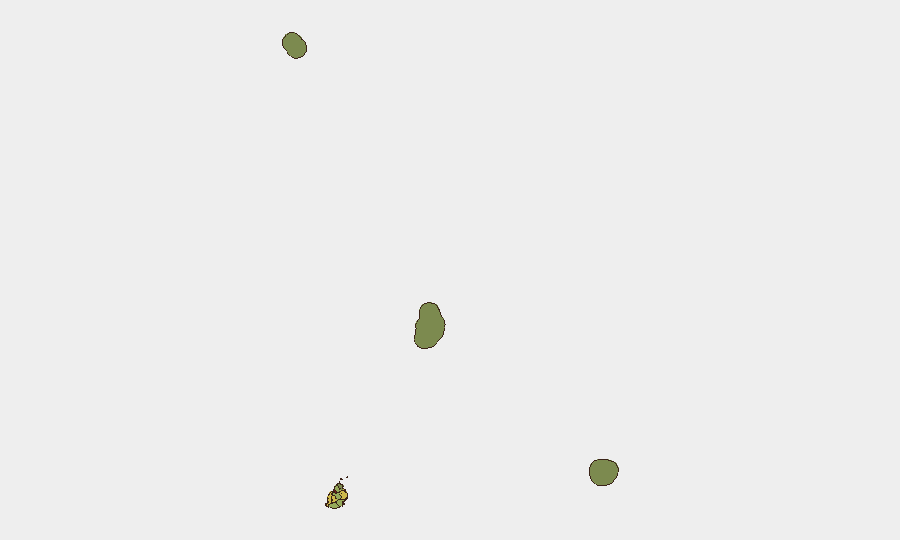
Port Louis (risk score 92) dominates the threat landscape, reflecting its role as the capital, primary port, and commercial hub—concentrations of economic, political, and transactional activity that naturally attract petty crime and administrative friction. The western districts of Plaines Wilhems (68) and Black River (65) follow, likely driven by urban density, informal settlements, and economic disparities. Flacq (62) and Grand Port (58) add eastern and southeastern exposure, primarily petty crime and maritime-border considerations. Outlying regions—Rodrigues, Saint Brandon, and Agaléga—carry minimal risk and are suitable for lower-security operations. Security teams should weight Port Louis for incident monitoring and duty-of-care focus, with secondary attention to the western and eastern districts during periods of economic or political tension.
How GeoBit Would Assist
GeoBit's Intel Sweep and multi-language OSINT fusion can maintain real-time, corroborated situational awareness of Port Louis and other high-risk districts, filtering noise from genuine incidents. AOI Monitoring & Early Warning on critical sites (ports, airports, government buildings, corporate offices) with persistent alerting provides advance notice of unrest, infrastructure failure, or security degradation. Routing & Network Analysis supports duty-of-care teams in planning safe movement between offices, residences, and transport hubs, particularly in Port Louis and Plaines Wilhems, while Entity & Network Analysis helps identify emerging tensions between political, judicial, or business actors that might presage localized disruption.
7-Day Outlook
Mauritius is expected to remain in a stable security posture over the next seven days, with no indicators of imminent political crisis, labor unrest, or large-scale criminal escalation. Port Louis and western districts should continue to be monitored for routine petty crime and administrative friction; no significant change in threat trajectory is anticipated absent new external shocks or domestic political developments.
Highest-Risk Areas — Ranked
| # | State / Region | Risk |
|---|---|---|
| 1 | Port Louis | 92 |
| 2 | Plaines Wilhems | 68 |
| 3 | Black River | 65 |
| 4 | Flacq | 62 |
| 5 | Grand Port | 58 |
| 6 | Moka | 52 |
| 7 | Savanne | 48 |
| 8 | Pamplemousses | 45 |
| 9 | Rivière du Rempart District | 38 |
| 10 | Rodrigues | 22 |
| 11 | Saint Brandon | 8 |
| 12 | Agaléga | 5 |
Sources
Previous Daily Briefs
A new Mauritius brief is written every day — each with its own risk map and downloadable CSV. Here's the last week; use the calendar to go further back.
📅 Browse every day by calendar →
Highlighted days have a brief. Tap a day for that day's map & analysis, or “csv” for that day's dataset ($5).
Atlas — our AI intelligence desk — emails them this snapshot personally. Nothing else, no list.