Situation Summary
Mexico's overall security posture remains elevated at #36 globally (composite threat score 52), with 1,650 tracked events reflecting fragmented risks across organized crime, labor unrest, border tension, and state-level instability. The 2026 FIFA World Cup deployment of 100,000 security personnel across host cities has stabilized immediate venue and transport corridors, but concurrent large-scale protests and civil unrest in Mexico City on 17 June indicate that security gains are tactical and localized. San Luis Potosí's exceptional risk score (33.4) signals a distinct regional crisis that merits separate analysis; the remaining high-risk corridor spans the State of Mexico, Chiapas, Chihuahua, and Michoacán. The trajectory is one of managed but fragile control: federal security operations are containing World Cup–related risks in the short term, but underlying drivers of instability—cartel activity, labor grievance, border friction, and cyber threats—remain unresolved.
Key Developments
- Mexico City, 17 June 2026: Violent clashes between demonstrators and security forces erupted hours before a FIFA World Cup match; authorities deployed riot police, with multiple injuries and significant downtown traffic disruptions reported. Large-scale teacher and social-movement protests simultaneously blocked major avenues and access roads, compounding logistics risks for World Cup movements in the capital.
- Mexico (national), 17 June 2026: Federal authorities activated a major World Cup security operation deploying approximately 100,000 personnel (military, National Guard, police) across host regions, with thousands of military vehicles and aviation assets (helicopters, Black Hawks) deployed to high-risk areas and key highways used by teams and supporters.
- Mexico City, 17 June 2026: Following pre-match unrest, security forces established reinforced perimeters around World Cup venues and fan zones, with visible increases in armed patrols and checkpoints reported by local and international media.
- Guadalajara, Jalisco, 17 June 2026: Security around World Cup facilities and main arteries was fortified with additional soldiers, National Guard units, and police, in response to earlier cartel-linked violence in the city and potential disruption risks during match days.
- Mexico (cyber), mid-June 2026 (reported 17 June): Cybersecurity firms reported a 48% increase in global ransomware incidents in May 2026, including targeting of travel and hospitality operators; concern raised for travelers and event organizers in Mexico as ticketing, accommodation, and transport networks are hardened.
Highest-Risk Areas
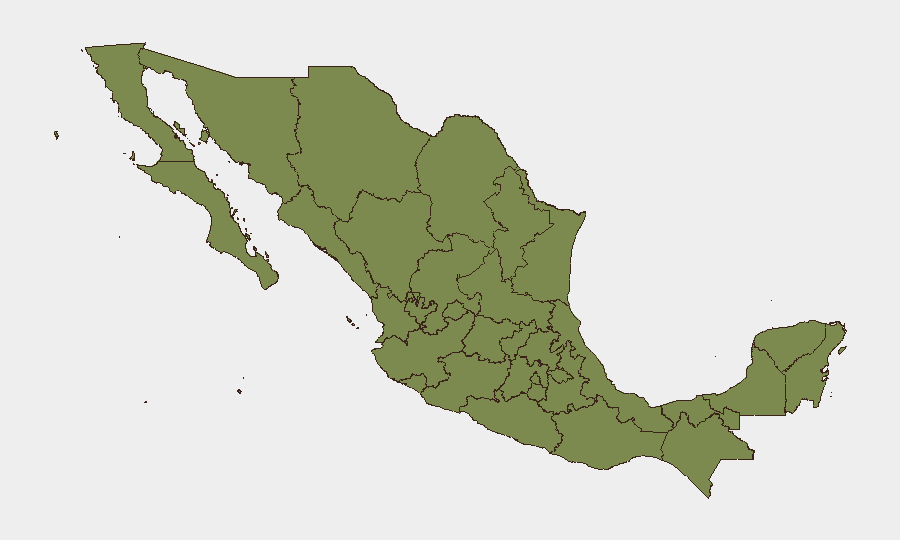
San Luis Potosí dominates the sub-national ranking with a risk score of 33.4—nearly three times that of the State of Mexico (12.1)—indicating a concentrated, severe regional crisis likely driven by organized crime turf conflict or state-capacity failure. The State of Mexico, Chiapas, Chihuahua, and Michoacán form a secondary tier (scores 7.6–9.4) characterized by cartel presence, extortion, and corruption. Mexico City and Jalisco, despite hosting World Cup infrastructure and large populations, rank lower (7.5 and not listed in top 12), suggesting that federal security deployments are temporarily suppressing visible threat signals in those hubs, while underlying provincial and border risks persist.
How GeoBit Would Assist
Security teams would deploy AOI Monitoring & Early Warning on San Luis Potosí and the State of Mexico to track emerging violence and labor unrest with persistent alerting. Network & Actor Analysis and OSINT fusion (X/Twitter, Telegram, YouTube, radio SIGINT) would corroborate event signals and identify protest organizers or cartel activity in real time. Routing & Network Analysis would enable security and logistics teams to plan alternative transport corridors for personnel and assets around World Cup venues and high-risk highways, circumventing protest routes and cartel checkpoints.
7-Day Outlook
World Cup security deployments will likely maintain a lid on visible violence in host cities through the tournament's conclusion, but San Luis Potosí and provincial cartel zones will remain volatile. Protest activity in Mexico City may recur if labor or political demands are not addressed; cyber-targeting of event infrastructure remains a latent risk. Post-tournament security withdrawal will create a vacuum in high-risk states.
Highest-Risk Areas — Ranked
| # | State / Region | Risk |
|---|---|---|
| 1 | San Luis Potosí | 33.4 |
| 2 | State of Mexico | 12.1 |
| 3 | Chiapas | 9.4 |
| 4 | Chihuahua | 8.4 |
| 5 | Michoacán | 7.6 |
| 6 | Mexico City | 7.5 |
| 7 | Puebla | 7.2 |
| 8 | Guerrero | 7 |
| 9 | Veracruz | 6.6 |
| 10 | Baja California | 6.3 |
| 11 | Tlaxcala | 6.1 |
| 12 | Nuevo León | 6 |
Previous Daily Briefs
A new Mexico brief is written every day — each with its own risk map and downloadable CSV. Here's the last week; use the calendar to go further back.
📅 Browse every day by calendar →
Highlighted days have a brief. Tap a day for that day's map & analysis, or “csv” for that day's dataset ($5).