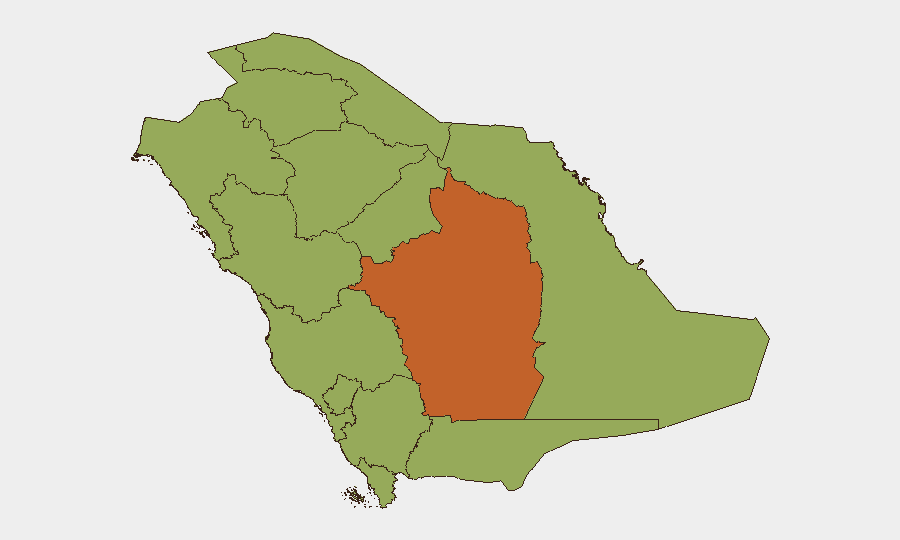
Situation Summary
Saudi Arabia faces an acute escalation in cross-border military threat from Yemen-based Houthi forces, with ballistic missile and drone strikes on critical infrastructure in the southern region triggering immediate airport closures, flight cancellations, and regional air-traffic advisories from international aviation authorities. The threat has expanded beyond direct Saudi–Yemen hostilities to encompass broader Iranian regional activity, evidenced by the foreign ministry's 14 July condemnation of Iranian strikes across the Gulf and heightened US–Iran tensions affecting maritime routes. While the overall national threat ranking remains moderate (composite score 65, rank #34 globally), Riyadh Region dominates sub-national risk (75.8), and southern provinces including 'Asir, Najran, and Jazan face sustained missile and drone exposure. The trajectory is toward continued tactical escalation and infrastructure disruption unless de-escalation mechanisms activate within the next 7–14 days.
Key Developments
- Abha International Airport, 'Asir Province – 13–14 July: Houthi forces claimed a successful missile and drone strike on Abha airport; Saudi air defenses intercepted ballistic missiles with no reported casualties. Flydubai, Saudia, flynas, and Flyadeal suspended all flights to/from Abha and Najran on 15 July in response.
- Abha International Airport – 14–15 July: At least 10–11 additional flight departures cancelled on 15 July; operations remain severely disrupted, with cancellations affecting routes to Riyadh, Jeddah, Dubai, and Sharjah.
- Canada Travel Advisory – 14 July: Canadian government raised warnings for Saudi Arabia, advising against all travel within 30 km of the Yemen border and against non-essential travel between 30–80 km from the border, Al Qatif, and restricted zones near the Iraqi border.
- European and Australian Aviation Advisories – 13–15 July: EASA advised air operators to avoid Gulf airspace until 29 July; Australian Smartraveller warned of potential airspace closures and flight cancellations affecting Saudi routes at short notice.
- Saudi Foreign Ministry Statement – 14 July: Kingdom issued strong condemnation of Iranian attacks on Bahrain, Jordan, Kuwait, Qatar, and Strait of Hormuz shipping, framing them as ongoing regional security threat and pledging support for affected states.
- Strait of Hormuz Maritime Traffic – 14–15 July: Tanker traffic through the Strait slowed to near standstill over preceding 24 hours due to renewed US–Iran strikes and vessel attacks, escalating security risk for maritime and air transport transiting Saudi ports.
- UN Security Council Emergency Session – 13–15 July: Members convened to address Yemen escalations, publicly condemning Iranian support for Houthis and expressing solidarity with Saudi Arabia following ballistic missile launches.
Highest-Risk Areas
Riyadh Region (75.8) drives national risk concentration, reflecting capital-city exposure to secondary effects of regional escalation, including air-traffic disruption and potential indirect targeting. The southern arc—'Asir (45.9), Najran (45.8), and Jazan (45.8)—bears direct cross-border missile and drone risk from Houthi forces. Northern Borders Province and Al Jawf, though ranked lower, remain exposed to spillover from Iraq-based actors and Iranian-aligned networks. The concentration in Riyadh reflects both political/economic centrality and the cascading impact of infrastructure attacks in the south on national supply chains and aviation connectivity.
How GeoBit Would Assist
Teams with people or assets in Saudi Arabia should deploy Persistent Area-of-Interest (AOI) Monitoring & Early Warning on Abha, Najran, and southern border zones to detect renewed strike activity in near-real time; combine this with Conflict & Military tracking (force structure, weapons-capability, and battle mapping) to anticipate Houthi operational tempo. Maritime & Aviation tracking, integrated with Routing & Network Analysis, enables dynamic rerouting of personnel and cargo around Abha airport and Strait of Hormuz chokepoints. Intel Sweep and OSINT fusion (Telegram, X, regional media) provide 4–12 hour forewarning of claimed attacks before official confirmation.
7-Day Outlook
Houthi strike frequency is likely to remain elevated through 20–22 July pending any ceasefire signal or coalition counter-response. Abha airport may remain partially or fully closed through mid-week; personnel requiring air transit should plan alternative routes (Riyadh, Jeddah, Dammam) immediately. Risk of secondary Iranian escalation in the Gulf remains high, keeping maritime and aviation advisories in place.
Highest-Risk Areas — Ranked
| # | State / Region | Risk |
|---|---|---|
| 1 | Riyadh Region | 75.8 |
| 2 | Makkah Region | 45.9 |
| 3 | 'Asir Province | 45.9 |
| 4 | Northern Borders Province | 45.8 |
| 5 | Al-Bahah Province | 45.8 |
| 6 | Jazan Province | 45.8 |
| 7 | Najran Region | 45.8 |
| 8 | Tabuk Province | 45.8 |
| 9 | Al Jawf Region | 45.8 |
| 10 | Ḥa'il Province | 45.8 |
| 11 | Medina Province | 45.8 |
| 12 | Al-Qassim Province | 45.8 |
Sources
Previous Daily Briefs
A new Saudi Arabia brief is written every day — each with its own risk map and downloadable CSV. Here's the last week; use the calendar to go further back.
📅 Browse every day by calendar →
Highlighted days have a brief. Tap a day for that day's map & analysis, or “csv” for that day's dataset ($5).
Atlas — our AI intelligence desk — emails them this snapshot personally. Nothing else, no list.